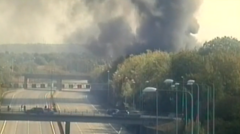
Thick black smoke blanketed the motorway, forcing an immediate shutdown and leaving thousands of drivers stranded. When a massive warehouse fire erupted at Ventura Park in St Albans, closing sections of the M25 in both directions between junctions 21a and 22, it didn't just disrupt traffic. It exposed the terrifying fragility of our primary commuter arteries.
Ten fire engines, an aerial ladder platform, and an air ambulance rushed to Old Parkbury Lane in Colney Street after emergency calls flooded in. Deputy chief fire officer Mark Barber urged residents to keep windows firmly shut as crews battled the blaze. National Highways warned of potential secondary explosions, forcing police to take the drastic step of halting all traffic on one of Europe's busiest orbital routes.
The Real Cost of Industrial Blazes Near Major Roads
We treat these events as freak accidents. They aren't. When massive commercial warehouses store combustible materials right next to critical national infrastructure, closures are inevitable.
National Highways and local police face an impossible balancing act. Do you keep the road open and risk drivers navigating zero-visibility smoke plumes, or do you shut down a vital economic artery and cause gridlock across half the home counties?
The St Albans incident proves we default to total lockdown. Rightly so. But the cascading delays show that contingency routing is still painfully slow to absorb heavy traffic shifts.
What Happens When the Ring Road Breaks
When junctions close unexpectedly, SatNav apps scramble. Drivers end up clogging local village roads that were never built to handle articulated lorries or diverted commuter traffic.
If you're caught in this kind of gridlock, waiting it out on the hard shoulder or blocking emergency access lanes is a fast track to hefty fines and disaster.
- Check live updates from National Highways before leaving your house.
- Avoid minor rat-runs around Colney Street and St Albans if local police have issued cordons.
- Keep your windows rolled up if you are crawling past smoke-heavy zones to avoid inhaling toxic particulate matter.
Infrastructure Vulnerability We Ignore
Industrial estates sit shoulder-to-shoulder with our motorways across the UK. Logistics hubs need transport links, so they build close to junctions. Yet, safety margins between high-risk storage facilities and high-speed multi-lane highways remain dangerously thin.
Until zoning laws account for the catastrophic ripple effect of a single burning warehouse, you're going to keep waking up to news of sudden motorway shutdowns and stranded commutes.
Plan your alternate routes now, check your fuel levels before joining long stretches of the orbital network, and stop treating motorway blockades as a surprise.
Check local travel feeds and steer clear of the St Albans corridor until emergency crews clear the scene.