The pre-dawn silence in Erbil was shattered Monday morning by the hum of hostile technology. Two Hadid-110 drones, launched from across the Iranian border, struck at the heart of the Kurdistan Region’s political and security leadership. These devices targeted the private office of Prime Minister Masrour Barzani and the residence of the region's intelligence chief in the Pirmam district.
It’s an aggressive escalation. There’s no ambiguity here.
Why This Matters Now
You might be wondering why this is happening. The optics aren't just about a couple of drones hitting buildings. This strike comes in the middle of a regional environment already frayed by the 2026 conflict. For months, the Kurdistan Region has faced persistent pressure. Since the start of the broader confrontation involving Iran, the region has seen over 1,000 separate attacks—ranging from missile barrages to suicide drone sorties.
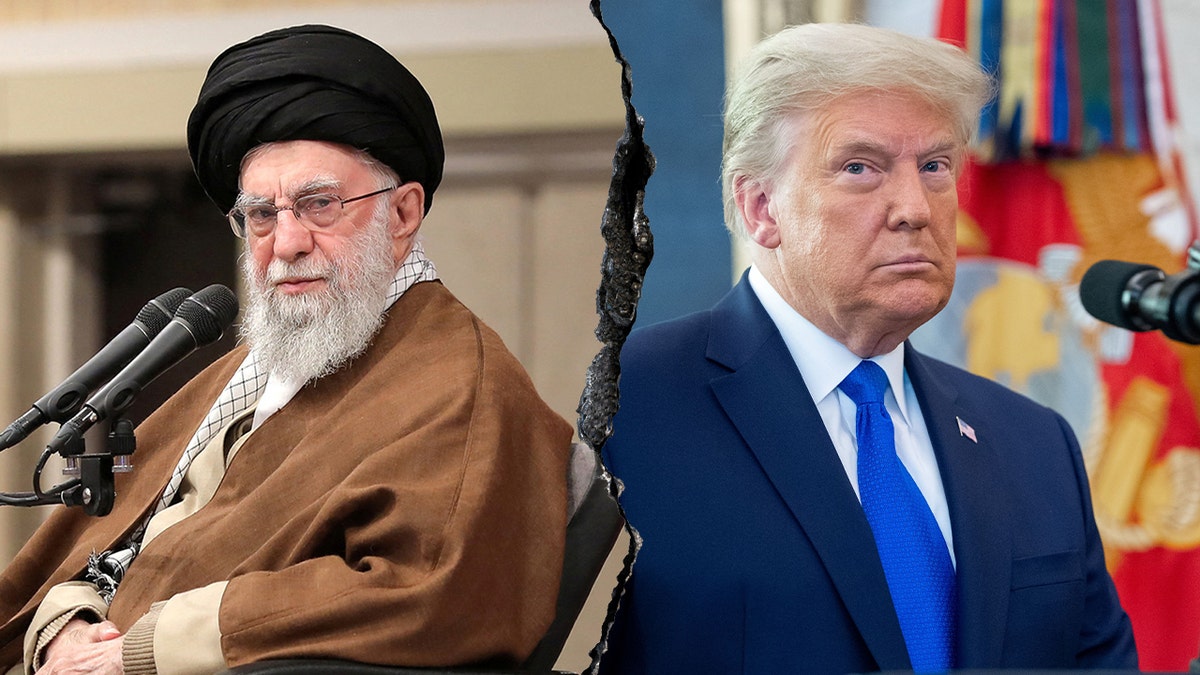
What makes this specific incident stand out is the timing. Reports suggest Nechirvan Barzani, the regional president, recently served as a backchannel for communication between Washington and Tehran. While there’s no smoking gun linking this specific strike to that role, the geopolitical math is impossible to ignore. Iran has historically viewed the Kurdistan Region as a staging ground for Western influence and a haven for Iranian Kurdish opposition groups.
The Technology of the Strike
The drones used—the Hadid-110—are signature munitions in this ongoing theater of conflict. They aren't sophisticated stealth aircraft. They are relatively inexpensive, explosive-laden loitering munitions. Their primary goal is simple: psychological intimidation and low-cost disruption.
When you look at the track record of these attacks, the pattern becomes clear. They’re designed to test the limits of regional air defense systems like the C-RAM and Patriot batteries deployed to protect critical infrastructure.
- The Pattern: Tehran uses these strikes to signal displeasure with Baghdad’s inability—or unwillingness—to control the border areas.
- The Target: By hitting the Prime Minister's office, the message is directed at the highest levels of the Kurdish administration.
- The Casualty Count: So far, there were no reported human casualties. Luck played a part, but the intent was clearly to signal capability rather than deliver a mass-casualty event.
Moving Past the Headlines
Most international coverage misses the actual reality on the ground. People in Erbil aren't just reading these headlines; they're living in the fallout of a years-long security crisis. Since early 2026, the region has been a focal point for thousands of munitions. Industries have been gutted, from charcoal factories to residential neighborhoods.
If you're trying to understand the long-term impact, look at the infrastructure. The 2026 conflict turned the region into a laboratory for drone warfare. Every time an interception occurs, it’s a failure of regional stability. When a strike hits, it’s a direct challenge to the authority of the Kurdistan Regional Government (KRG).
What Happens Next
The KRG’s reaction has been swift and firm. Prime Minister Barzani labeled the attack "reckless and unacceptable," which is diplomatic speak for "we’re running out of patience." The real question isn't just about condemnation. It's about what the local security apparatus, the Peshmerga, and their international partners do to harden their defenses.
You shouldn't expect an immediate cessation of these tactics. Iran’s strategy relies on keeping the pressure high on the periphery of its borders. They use these drone strikes as a low-cost, high-visibility lever to keep Kurdish leaders on the defensive.
If you are tracking this region, focus on the following:
- Air Defense Density: Look for signs that the KRG is acquiring more localized, short-range air defense systems to plug gaps that larger systems miss.
- Backchannel Viability: Watch whether Nechirvan Barzani continues his mediation efforts. If these backchannels are effectively closed, it tells you that the communication lines have failed.
- Baghdad’s Stance: The Iraqi central government remains the weakest link in this chain. Their response to these violations of sovereignty is consistently muted, which only encourages further encroachment.
The situation in Northern Iraq is fragile. These drone attacks aren't anomalies. They’re a feature of a new, persistent status quo. It’s a dangerous game where the threshold for a major miscalculation is getting lower by the day. Stay alert to the shifts in local security posture, as they’ll tell you more about the future of the region than any official statement ever will.