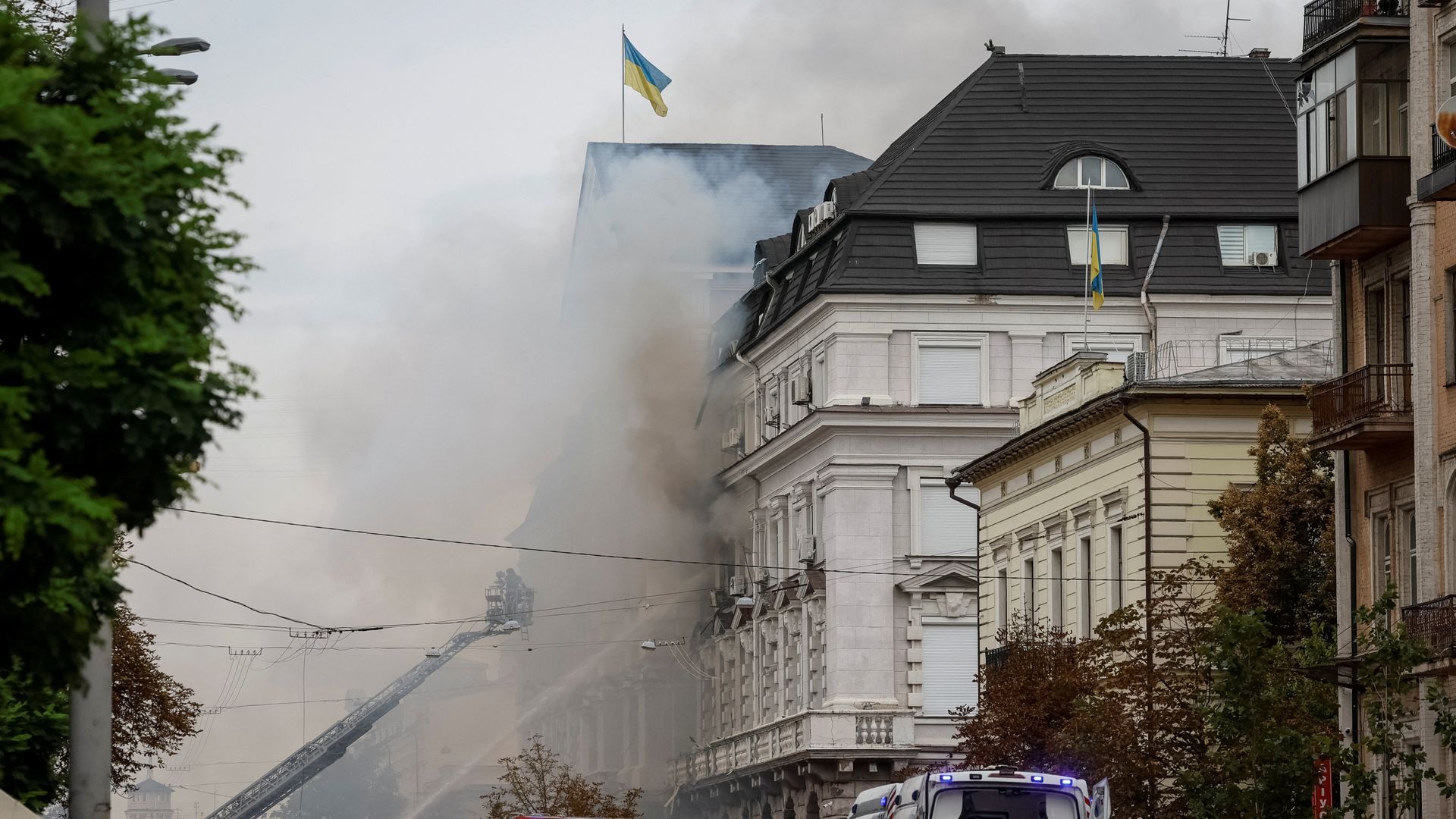
Diplomacy never stops the killing. It just changes the timeline. When Russian strikes killed at least three civilians in Ukraine, the exact same news cycle brought word that high-level American envoys were heading to Kyiv and Moscow. That brutal juxtaposition defines the current phase of the war.
People want to know if negotiations will actually stop the bloodshed. The short answer is no, not right away. Mediation efforts led by U.S. representatives Steve Witkoff and Jared Kushner have opened up backchannels, but reality on the ground remains harsh. Let's look past the press releases and break down what is really happening.
The Ground Reality Versus the Negotiating Table
Air raid sirens don't care about diplomatic schedules. As shuttle diplomacy kicks into high gear, the air war has only intensified. Russian forces have shifted tactics, pounding urban areas and civilian infrastructure not just under the cover of darkness, but in broad daylight.
Why the escalation now? Moscow wants maximum leverage before sitting down.
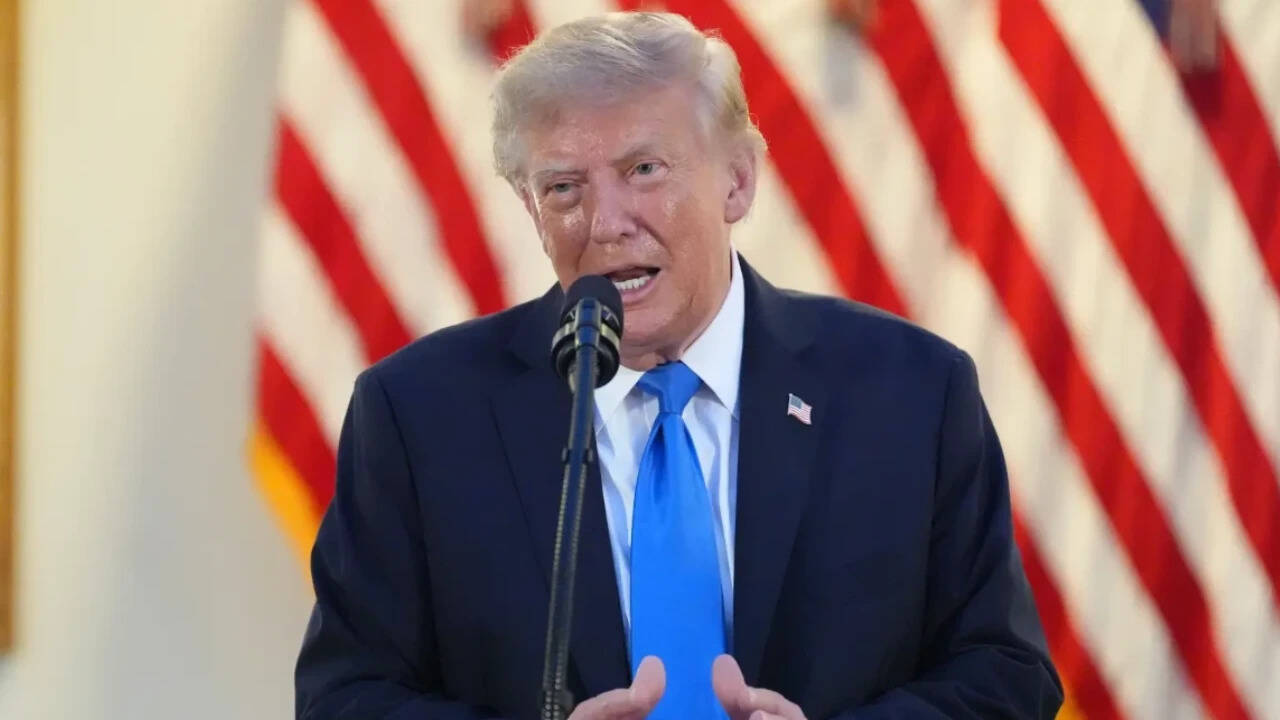
When Vladimir Putin met with American envoys at the Kremlin, the core dispute remained unchanged: territory. Russia demands concessions that Ukraine refuses to make. Meanwhile, Ukrainian long-range strikes continue to hit Russian oil refineries and fuel depots, prompting calls from Washington to dial back attacks on diesel infrastructure. It is a messy, high-stakes standoff where every missile strike serves as a bargaining chip.
Why Peace Talks Feel Different This Time
You might wonder why anyone expects a breakthrough now. The conflict has ground into its fifth year, stretching military resources and exhausting populations on both sides.
President Volodymyr Zelenskyy confirmed that preliminary dates are set for continued talks in the autumn, potentially bringing together Ukraine, the U.S., and European stakeholders. Ukrainian officials are talking about a possible trilateral format by October.
Yet, skepticism is completely justified. Past ceasefires have collapsed within hours. Mediators face an uphill battle trying to bridge an unbridgeable gap: Ukraine wants its sovereign borders restored, while Russia wants validation of its territorial gains.
What Happens Next
If you are tracking this conflict, stop looking for a quick fix. A signed peace treaty isn't waiting around the corner. Instead, watch these key indicators:
- Air Defense Deficits: Ukraine's ability to protect its energy grid ahead of winter will dictate its bargaining power.
- Backchannel Progress: Pay attention to follow-up visits involving European and American diplomats rather than public posturing.
- Economic Squeezes: Monitor how drone strikes on fuel and logistics inside Russia impact domestic stability and Kremlin calculations.
Diplomacy is moving forward, but the war is moving faster. Prepare for a long winter of tense negotiations paired with relentless aerial bombardments.