Superheroes on television usually drown in CGI spectacle and endless universe setup. They miss the human core entirely. When HBO’s Lanterns dropped its explosive season finale, creators Chris Mundy, Damon Lindelof, and Tom King proved that comic book adaptations actually thrive when you strip away the capes and treat the source material like a gritty crime thriller.
If you skipped out on the Rushville murder mystery or felt skeptical about turning the cosmic Green Lantern mythos into a grounded American heartland drama, the final episode forced everyone to pay attention. Let us look at what the creative team pulled off, how John Stewart's journey reshaped the DC Universe, and why those lingering questions about Hal Jordan and the Manhunters matter.
The Bold Gamble That Paid Off
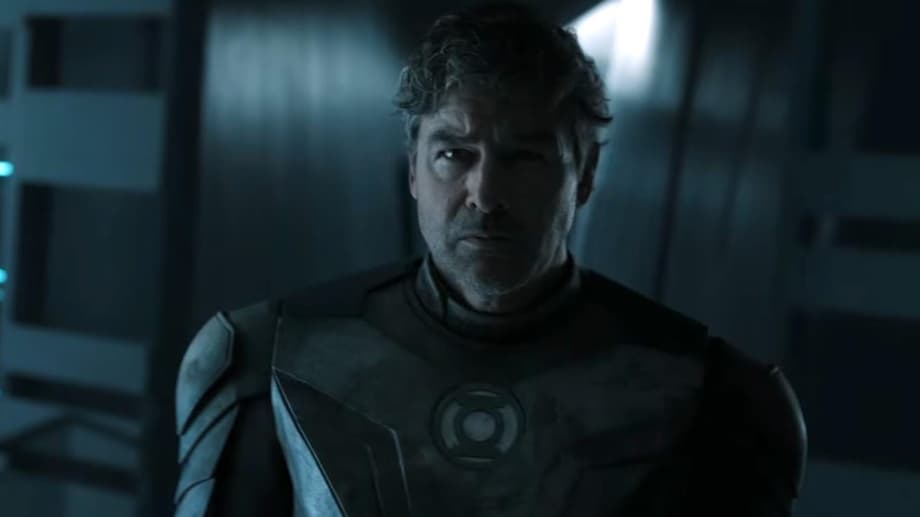
Right out of the gate in the series premiere, showrunners made a choice that shocked comic book purists. They killed Hal Jordan. Not in some grand cosmic sacrifice across sector 2814, but right there in the gritty dirt of a rural mystery.
By the time the finale rolled around, the creative team refused to pull any cheap narrative punches. Damon Lindelof noted that they wanted every emotional beat to feel completely earned. No sudden resurrections out of nowhere. No predictable space-bug cop-outs to erase accountability.
Instead, the finale leaned hard into the psychological wreckage left behind. Hal Jordan lived on through a projection—the Halogram—interacting with Aaron Pierre’s brilliant portrayal of John Stewart. This wasn't your typical high-tech sci-fi hologram gimmick. It acted as an emotional anchor, reminding viewers that guilt and legacy outlive physical bodies.
John Stewart Steps Up on His Own Terms
Let us talk about John Stewart because his progression throughout this eight-episode run completely rewrote the rules of ascension. In traditional comic arcs, the ring chooses you, you slap it on, and you instantly become a galactic peacekeeper.
Mundy and King threw that blueprint out the window. John's path was far more complicated. He was interviewed, groomed, tested, and forced to evaluate whether he even wanted the burden. When he finally takes flight across the night sky in the finale, illuminated by Rushville's unwanted green signal, it hits differently. He didn't stumble into power. He survived a gauntlet of doubt, trauma, and systemic pressure to claim it.
His dynamic with Guy Gardner, played with typical doofus swagger by Nathan Fillion, highlights the core conflict of the season. John opts out of the traditional corporate Corps structure. He tells Guy straight up that he is operating as an independent contractor. No Guardians breathing down his neck. No galactic bureaucracy. Just him, the dirt, and a brand-new status quo that leaves him totally free to chart his own course.
Unpacking the Manhunter Twist and the Unsanctioned Ring
The finale also untangled the web of secrets surrounding the murder of Hal Jordan and the deep-rooted machinations of the Manhunters. When the truth finally came out—revealing that Kerry Kane killed her lover Hal to protect Noah Macon's secret—the revelation landed with heavy emotional weight rather than a cheap shock value.
Noah, raised by humans yet carrying the artificial, engineered nature-versus-nurture baggage tied to his grandmother Zoe Macon the Manhunter, served as a fascinating mirror for John. Both characters spent years trying to figure out where their core programming ended and their genuine humanity began.
Tom King pointed out that the ring John ultimately wields is fundamentally different from standard issue gear. It carries a distinct yellow tint, blending raw willpower with fear energy. It is an unsanctioned weapon forged from the waters of the island, rejecting the rigid oath recited by every other standard Green Lantern. That nuance is what separates this series from standard superhero fare. It honors the comic lore while tearing it down and rebuilding it into something sharper and more dangerous.
Where Does the DCU Go From Here?
Now that the dust has settled on Rushville, the big question shifts to the broader cinematic universe. Fans won't have to wait for a prospective second season to see Aaron Pierre back in action. His next appearance as John Stewart is locked in for 2027’s Man of Tomorrow, the sequel to James Gunn’s Superman.
Transitioning from an eight-episode slow-burn crime drama to a massive crossover movie starring the Man of Steel is a massive leap. James Gunn will now inherit the heavy lifting of defining what an independent-contractor Green Lantern looks like when surrounded by a dozen other caped crusaders.
Lanterns proved that superhero television can be smart, deliberate, and deeply uncomfortable. It skipped the fatigue-inducing formula and delivered a masterclass in tension.
Take a cue from John Stewart. Stop waiting for permission to look closer at the stories you consume, and start demanding better risks from the entertainment you watch.