If you listened to pre-tournament hype, the 2026 World Cup was supposed to rain dollar bills on every storefront from Santa Monica to Downtown Los Angeles. City officials quoted massive numbers. Economic consultants tossed around wild revenue targets. Business owners stocked extra kegs, hired extra shifts, and waited for the gold rush.
Now that the final whistle blew on July 19 and international soccer fans packed their bags, the real picture looks way more complicated.
Did Los Angeles businesses get a bump? Yes. But if you own a retail shop in Boyle Heights or a boutique in Pasadena, that "bump" probably felt like a trickle rather than a tidal wave. The reality is that mega-sporting events create clear winners and quiet losers. A location three blocks from SoFi Stadium meant printing money for six weeks. A shop ten miles away meant watching regular foot traffic evaporate while paying inflated local operational costs.
Here is what actually happened on the ground, who walked away rich, and why mega-events rarely deliver the universal economic windfall politicians promise.
The Big Numbers Versus Street Reality
Let's talk numbers first. The Los Angeles County Economic Development Corp. bumped its total projected tournament impact for L.A. County up to $892 million. That sounds huge. It is huge, until you remember L.A. County generates over $900 billion in gross regional product annually.
PNC Financial Services senior economist Jay Hawkins pointed out that $892 million represents roughly 0.1% of the county's total annual economic output. It is a temporary spike. It doesn't shift the fundamental trajectory of the region's economy.
World Cup Los Angeles Impact Breakdown
--------------------------------------
Total Estimated L.A. County Impact : $892 million
Share of Annual County GDP         : ~0.1%
L.A. Metro Rail June Ridership Bump: +22%
Santa Monica Hotel RevPAR Increase : +38% year-over-year
Inglewood Sports Bar Revenue Gain  : +25% to 30%
The cash did flow, but it pooled in specific pockets.
If your business sat along prime transit corridors or right next to match venues, the payoff was real. L.A. Metro reported a 22% spike in rail ridership this June compared to last year. People actually used public transit to navigate the county. Santa Monica recorded a massive 38% jump in revenue per available room (RevPAR) for hotels between June 11 and June 20, boosted by beachside fan zones and coastal watch parties. The Third Street Promenade saw 20,000 unique visitors on the opening Saturday alone.
For those localized hubs, the numbers hit home.
Who Actually Won the World Cup Jackpot
You don't need a degree in finance to figure out who made out best during the tournament. The commercial setup of modern global sports ensures money flows upward first, outward second.
SoFi Stadium and Hollywood Park Tenants
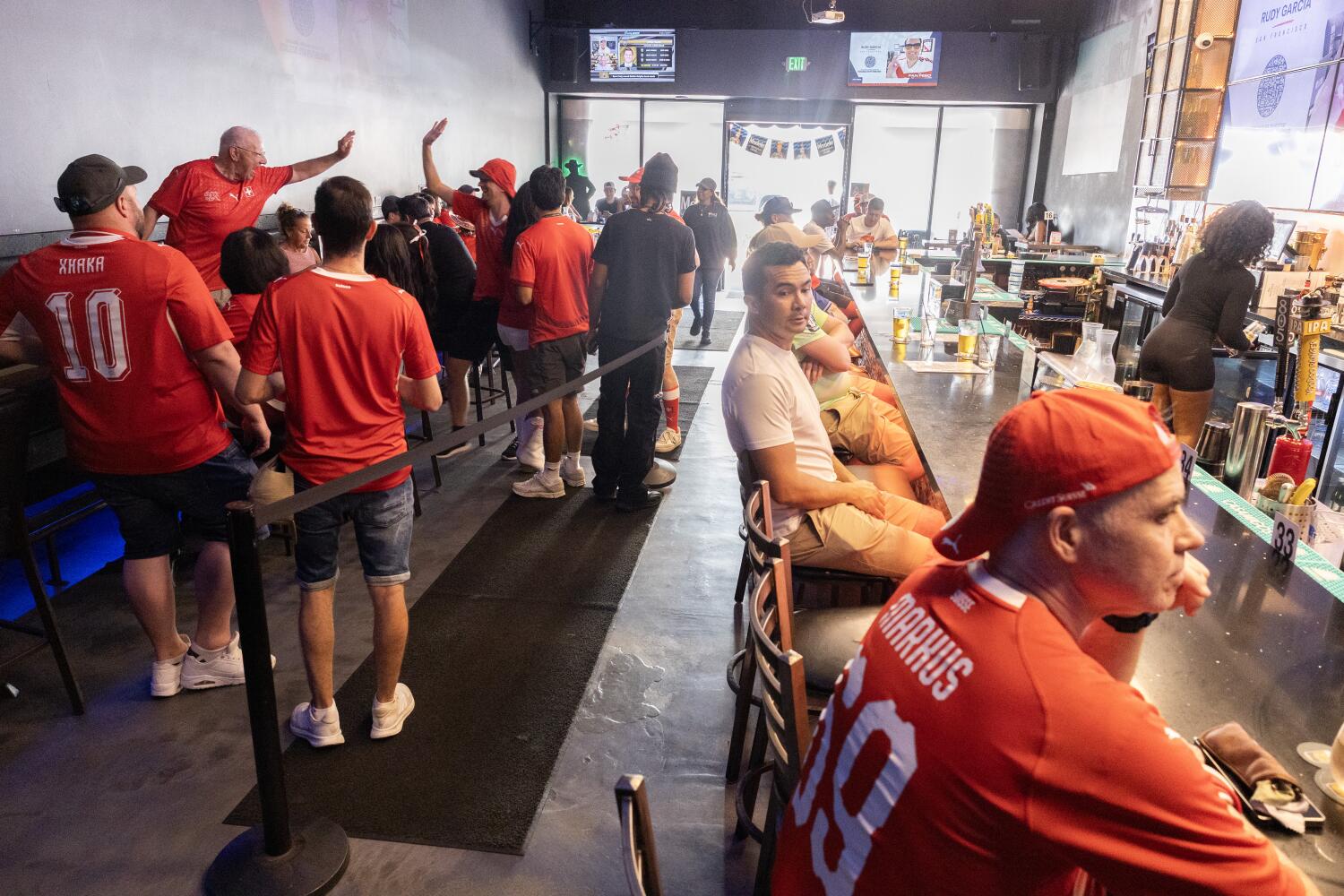
The 300-acre Hollywood Park development surrounding SoFi Stadium handled over 560,000 fans across eight matches. Restaurants, bars, and retail tenants in that immediate footprint saw non-stop foot traffic. Venues right on the perimeter got slammed in the best way possible. 3rd and Out Sports Bar on Market Street in Inglewood reported game-day revenue increases between 25% and 30%. When fans can walk from the stadium directly to your taproom, you win.
Coastal Tourism and Major Hotel Chains
Santa Monica Travel & Tourism made a aggressive play for tournament visitors, setting up beachfront fun zones, oceanfront viewings, and youth soccer clinics. Their strategy worked. Hotels in Santa Monica and West Los Angeles charged premium room rates and filled beds that normally sit quieter in early June.
Public Transit and Rideshare Platforms
With traffic congestion scaring international visitors away from rental cars, public transit took center stage. Metro line usage surged, and rideshare drivers saw high surge pricing during stadium egress windows.
Corporate Sponsors and FIFA
The biggest winner by far wasn't a local merchant. It was FIFA itself. The governing body expects over $13 billion in total 2026 cycle revenues globally, driven by broadcasting rights, global corporate sponsorships, and ticket sales. FIFA takes its cut tax-free, while local jurisdictions handle policing, sanitation, and transit logistics.
The Unspoken Downside for Neighborhood Merchants
What about the small coffee shop in Silver Lake, the taco stand in East L.A., or the clothing boutique in Glendale?
For thousands of small business owners across the basin, the World Cup was a non-event, or worse, a distraction. Mega-events trigger a well-documented economic phenomenon known as "displacement."
Regular locals stay home to avoid traffic chaos, surging prices, and crowds. Regular tourists who might have visited museums, local theater, or neighborhood shopping corridors reschedule their trips for another month to avoid marked-up hotel rates.
When international soccer fans arrive, they spend heavily on specific categories: lodging, stadium concessions, transit, sports bars, and big-name chain restaurants near fan fests. They aren't spending $200 on vintage clothing in Studio City or buying home decor in Long Beach.
If you weren't selling cold beer, fried food, hotel beds, or official merchandise near a designated fan zone, your foot traffic likely dropped. High operational costs during peak summer weeks—combined with regular customers staying away—left many neighborhood businesses with a flat month.
Why Event Projections Always Exaggerate Local Gains
Every time a city bids for the Olympics, the Super Bowl, or the World Cup, organizers release glossy economic impact studies. They promise billions in local economic growth, thousands of jobs, and a long-term boost to local storefronts.
Those studies almost always rely on flawed math.
They measure gross spending rather than net value retention. When a tourist spends $400 a night on a room at a national hotel chain, most of that profit leaves the local economy immediately. It goes to corporate headquarters, national shareholders, and booking platforms. The local worker gets their hourly wage, and the city gets a hotel tax cut, but the bulk of the cash exits the city limits.
Economists like Shannon Sedgwick at the L.A. County Economic Development Corp. point out that direct hospitality gains are short-lived. A restaurant meal or a stadium beer is consumed once. It can't be resold or leveraged tomorrow.
The real long-term value doesn't come from burger sales in June. It comes from whether L.A. improved its transit coordination, updated airport infrastructure, and built lasting relationships that bring international events back in the decade ahead.
Actionable Takeaways for Local Businesses Facing Future Mega Events
Los Angeles isn't done hosting massive global events. The 2028 Summer Olympics are coming fast. If you own a small business in Southern California, you can't rely on generic promises of economic bumps. You need a practical playbook to capture real money when the next crowd arrives.
Partner with official fan nodes early
Don't wait for fans to wander down your street. If your business isn't within walking distance of the venue, partner with hotel concierges, fan zones, or official shuttle hubs. Offer targeted promotions directly to organized fan groups.Pivot your inventory to immediate needs
If you run retail, stock grab-and-go food, quick souvenirs, shade gear, or transit passes. Regular retail items stall during high-energy event weeks. Focus on what a traveler needs in the next two hours.Protect your core local audience
Don't alienate your regulars. Run local appreciation discounts or target neighborhood-specific marketing during tournament weeks to reassure locals that your prices haven't surged and your parking is still accessible.Streamline staffing and operating hours
Match day demand spikes violently around kick-off and post-game hours. Adjust shift schedules to peak around game times and fan transport schedules rather than standard 9-to-5 operating hours.Capture customer data for long-term retargeting
Turn one-time visitors into repeat digital buyers. Collect emails or social follows at checkout by offering digital guides, discount codes, or shipping promotions for international fans heading back home.
The World Cup brought energy, packed stadium seats, and undeniable wins for specific hospitality corridors in Los Angeles. But for the average small business owner, it was a stark lesson in economic distribution. Big events don't lift every boat automatically. You have to position your business directly in the stream, or the water flows right past you.