When a school looks at a missing kid and sends a generic truancy warning, they are treating a symptom instead of the disease. State numbers show roughly 35% of students experiencing homelessness are chronically absent, compared to about 19% overall. It is a massive crisis that school districts across the country have largely failed to fix with traditional penalty-based approaches. But one local campus managed to hit a startling milestone: zero chronic absenteeism among its unhoused student population last year.
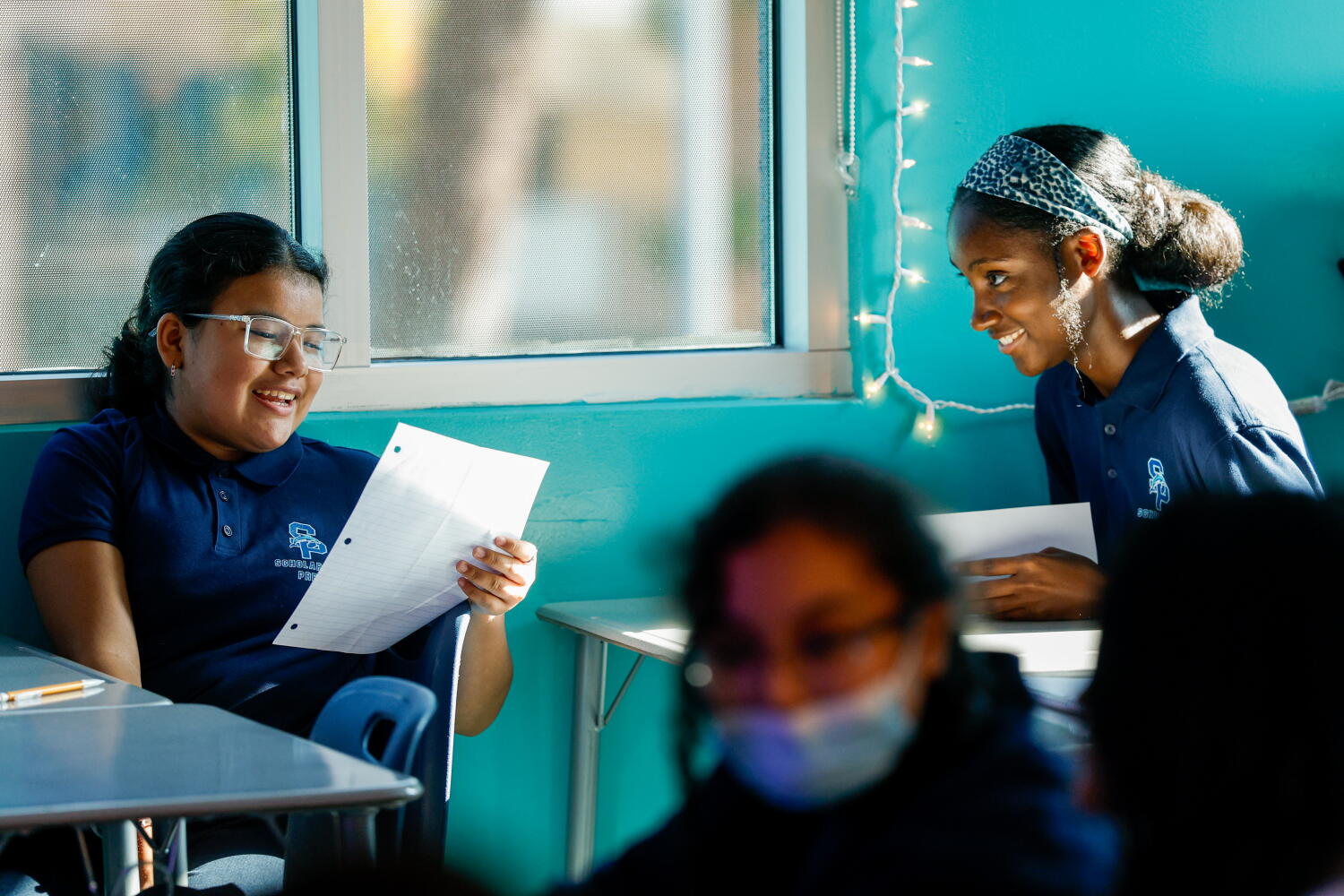
That campus is Scholarship Prep South Bay, a transitional kindergarten through eighth-grade charter school located in Wilmington, California. Out of 421 total students enrolled last year, 54 experienced homelessness. None of them fell into the chronically absent category. Instead of punishing families for missed days, school leaders rebuilt the entire model around basic human dignity, practical survival needs, and intense community partnership. Don't miss our earlier post on this related article.
The Reality of Getting Kids to Class When They Lack a Home
If you don't have a stable place to sleep, clean clothes, or a reliable way to get across town, math homework is pretty far down your priority list. Traditional school bureaucracies often act like attendance is purely a matter of willpower. If you just wake up early enough, you will make it. Anyone who has spent five minutes looking at actual poverty knows how absurd that mindset is.
At Scholarship Prep, leadership understood that chronic absenteeism among homeless students is usually tied to logistical nightmares. If your shoes are falling apart, your uniform is dirty, you have no food for breakfast, and your family was forced to sleep in a car three towns away last night, walking through school gates feels impossible. To read more about the history of this, NPR offers an excellent summary.
Instead of asking why the kid isn't showing up, the staff asks what is getting in the way.
Trading Discipline For Laundry Machines and Transit Cards
Solving chronic absenteeism doesn't require a magic wand. It requires a washing machine and a bus pass.
The school relies heavily on more than 50 community partners to build a web of support that goes way beyond standard public school funding. Nearly 93% of the children enrolled come from low-income households, so these survival resources benefit a huge portion of the student body.
Here is what is actually happening on the ground:
- Daily Basics: Classrooms feature "rainbow carts" stocked with toothbrushes, deodorant, hair care products, and fresh school supplies so no student feels self-conscious about their hygiene.
- On-Site Infrastructure: Families have access to washers and dryers to clean clothes. On-site health and wellness services handle basic medical checks without requiring parents to take unpaid time off work for a clinic visit.
- Transit Solutions: Families receive Metro GoPass TAP cards, making it possible to navigate L.A.'s sprawling transit system even when housing displacement forces them far from the neighborhood.
- Nutrition: Breakfast and lunch are a given, but weekly food boxes and grocery support ensure that hunger doesn't follow children back to temporary shelters.
By removing these friction points, the school eliminates the daily panic that usually keeps unhoused children at home.
Shifting From Surveillance to Trauma-Informed Trust
Throwing resources at a problem is useless if families don't trust you. Too often, interacting with public systems feels like stepping into a surveillance trap where parents worry their children might be taken away due to housing instability.
Kristen Crowe, the chief community officer at the school, points out that the entire operation starts with respect rather than judgment. Teachers and staff undergo specific training to recognize the signs of toxic stress and trauma exposure. When a student walks in carrying heavy emotional weight, they aren't hit with immediate detention for zoning out or acting up.
Instead, classrooms feature calming corners complete with breathing guides, stress balls, and noise-canceling headphones. If a child needs a deeper reset, they can spend ten minutes in a dedicated mental health room. Mornings begin with intentional check-ins so teachers can gauge how a student is doing before academic instruction even starts.
Principal Allison Vann puts it plainly: loving the whole child means loving the family, too. When parents feel welcomed rather than shamed by school administrators, communication stays open. If a family is on the verge of losing a temporary placement, the school knows about it immediately and can mobilize hotel vouchers or emergency resources before the child misses three weeks of instruction.
What Other Districts Can Learn From This Blueprint
The results at this Wilmington charter school prove that the traditional school attendance playbook is broken. Threatening parents with court dates or fines does nothing when a family is sleeping out of a minivan.
Scaling this type of success requires school boards to stop viewing social services as optional extras. When education budgets treat mental health counselors, laundry facilities, and transit assistance as luxury items, the most vulnerable students pay the price with their education.
Fixing absenteeism means building schools that kids actually want to enter and families can actually reach. Stop treating attendance as a rule to enforce. Treat it as an invitation to help.