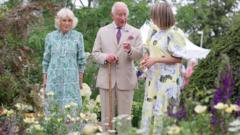
When King Charles and Queen Camilla arrived by traditional carriage at the Sandringham Estate on July 22, 2026, it wasn't just another royal walkabout among the delphiniums. It marked a quiet revolution in how the monarchy handles its green space.
For 140 years, the Norfolk estate hosted the local Sandringham Flower Show—a beloved, volunteer-led affair that smelled of Victoria sponges and prize-winning marrow. This year, the Royal Horticultural Society (RHS) officially took over the grounds for a five-day extravaganza, launching a triennial partnership that completely reshapes Britain's horticultural circuit.
It's a big shift, but it makes complete practical sense.
Inside the RHS Royal Legacy Garden
The centerpiece of the new show wasn't just built on estate soil; the King actively co-designed it. Collaborating with landscape designer Catherine MacDonald, the RHS Royal Legacy Garden serves as a direct reflection of Charles’ personal garden philosophy: wild, heavily biodiverse, and unapologetically colorful.
Rather than importing exotic marble or pristine concrete, the garden relies heavily on local Norfolk materials and traditional rural crafts. The planting scheme mirrors the King’s long-standing favorites from Highgrove:
- Deep blue and purple delphiniums
- Fragrant native shrub roses
- Carefully placed acers providing structured shade
- Native hedgerow flora designed to feed local pollinators
Instead of being dismantled and thrown into skips on Sunday evening—a long-standing criticism of major flower shows—the entire layout is designed to be permanently transplanted back into the Sandringham Estate grounds.
The Prizes That Mattered Most
Royal appearances at garden shows usually involve a polite wave and a polite stroll through the Great Pavilion. This time, the judging felt surprisingly hands-on and personal.
King Charles personally selected and presented The King’s Biodiversity Award to designer Sophie Godber for The Mindful Chef’s Gathering Garden, pointing to its soil-first approach and clever use of native companion planting.
Meanwhile, Queen Camilla handed out The Queen’s Choice of Upcycled Container Award. The winner? The Pollinator Patch, a vibrant mini-garden constructed by the Whissonett & District Horticultural Society using salvaged, repurposed domestic waste. It’s a low-cost, high-impact style of gardening that feels far removed from the lavish £100,000 budget show gardens typical of Chelsea.
Why the Local Community Was Nervous
You can't swap out a 140-year-old local tradition without ruffling a few feathers. When the RHS deal was announced, locals naturally worried that their intimate, historic show was being swallowed by a massive national institution.
The original Sandringham Flower Show—run by the Sandringham Estate Cottage Horticultural Society (SECHS)—is managed entirely by a team of roughly 15 local volunteers. It's an event where local amateur growers compete for silver cups in tents that smell of rain and damp grass.
To balance regional identity with national draw, the estate struck a rotational compromise:
- 2026: The RHS runs its major new regional show (July 22–26).
- 2027 & 2028: The traditional volunteer-led Sandringham Flower Show returns to its original format.
- 2029: The RHS returns for its next three-year rotation.
This schedule gives the local committee room to breathe while giving Norfolk a world-class horticultural event every three years.
The Broader RHS Strategy
Why is the RHS moving onto royal turf in the first place? It's part of a massive overhaul of their event calendar—arguably their biggest operational shift in a generation.
The charity is actively trying to move away from being London-centric. While Chelsea remains the crown jewel, its tight footprint at the Royal Hospital grounds limits growth, crowd movement, and environmental experiments. By expanding regional shows in places like Sandringham and Badminton, the RHS can test new ecological techniques, host larger crowds on flat terrain, and showcase regional UK microclimates.
How to Apply These Royal Garden Ideas at Home
If you're looking to adapt the sustainable techniques on display at Sandringham to your own green space, skip the fancy garden center displays and start with these steps:
- Prioritize Local Stone and Timber: Sourcing regional flint, gravel, or reclaimed oak cuts down transport emissions and naturally fits the native aesthetics of your local geography.
- Plant in Layers for Wildlife: Mix high canopy choices like acers with mid-tier native roses and low-growing ground cover like nepeta (catmint) to give insects shelter across all heights.
- Ditch Perfect Containers: Follow the Queen's upcycling theme. Old wooden crates, rusted metal buckets, or cracked terracotta pots hold moisture remarkably well and save money. Just drill adequate drainage holes at the base before planting.
- Choose Perennials with Long-Term Purpose: Invest in hardy perennials like delphiniums that return year after year rather than replacing delicate annual bedding plants every May.