Diplomacy is supposed to be about quiet competence, careful handshakes, and representing a country without becoming the story. Kimberly Guilfoyle managed to break every single rule of that unwritten playbook in record time.
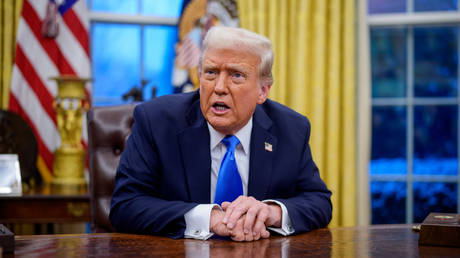
White House press secretary Katie Zacharia confirmed the inevitable on Tuesday, October 13, 2026. The administration asked Kimberly Guilfoyle to resign as the United States ambassador to Greece. Donald Trump didn't mince words either, telling reporters on the South Lawn before heading to Alaska that he simply didn't like what he read.
When your tenure as an envoy becomes a daily tabloid fixture in Athens and Washington alike, your usefulness expires fast.
How the Wheels Fell Off in Athens
The descent didn't happen overnight. It started with a series of explosive reports in The Wall Street Journal that painted a picture of transactional diplomacy gone completely off the rails. Investigators and journalists laid out a troubling pattern of behavior dating back to late September.
The allegations weren't small diplomatic blunders. They included claims that Guilfoyle offered a political donor direct access to senior administration officials in exchange for financial support, specifically targeting help with a hefty credit card bill. Other reports detailed an alleged threat directed at a host-country official, along with questionable travel arrangements involving private planes and luxury perks paid for by outside interests.
For months, the defense from her legal team—led by David Schwartz and Jesse Binnall—insisted that any money sought was simply payment for past speaking engagements and public appearances predating her diplomatic appointment. They maintained she followed every State Department travel regulation on the books.
But the explanations didn't stop the bleeding. In Athens, diplomatic circles grew increasingly uncomfortable. Local media outlets openly began referring to the U.S. embassy as "headless" and dysfunctional. Anonymous local officials didn't hold back, describing an environment where the ambassador's personal grievances—such as an angry outburst over not getting an invite to a high-profile event during the World Economic Forum in Davos—overshadowed actual policy work.
The White House Exit and Defense Strategy
When the pressure reached a boiling point, the administration acted. Zacharia delivered the short directive from the podium, offering the standard polite send-off that she had been a wonderful asset, before the door closed permanently on Guilfoyle's brief ambassadorial run.
Guilfoyle didn't go quietly. Upon announcing her resignation, she released a defiant statement on social media vowing to vigorously clear her name. She framed the allegations as false attacks on her decades of public service, while making sure to keep her political loyalties intact by thanking Donald Trump and Secretary of State Marco Rubio.
Rubo himself had bristled at reporters just days prior during a visit to Greece, dismissing the early investigative reports as mere gossip rather than gospel truth. Yet, the political reality proved too heavy to ignore. Members of Congress from both sides of the aisle were already prepping calls for formal congressional investigations into her tenure.
What This Means for Diplomatic Appointments
Ambassadorial posts are often treated as prestigious political rewards for loyal campaign surrogates. That is an open secret in Washington. But there's a fine line between a political pick and an unmitigated liability.
When an ambassador starts treating foreign service like an extension of personal networking or a hustle to settle personal debts, the host country notices. The Greek government maintained a careful public silence while the drama unfolded, but behind closed doors, the damage to America's regional standing was mounting.
Diplomacy requires trust. Once an envoy loses the confidence of the host nation, the State Department, and the Oval Office all at once, no amount of legal pushback can save the posting. Guilfoyle's tenure is over, but the fallout over how political loyalty trumps vetting protocols in ambassadorial selections will echo through Washington for a long time.