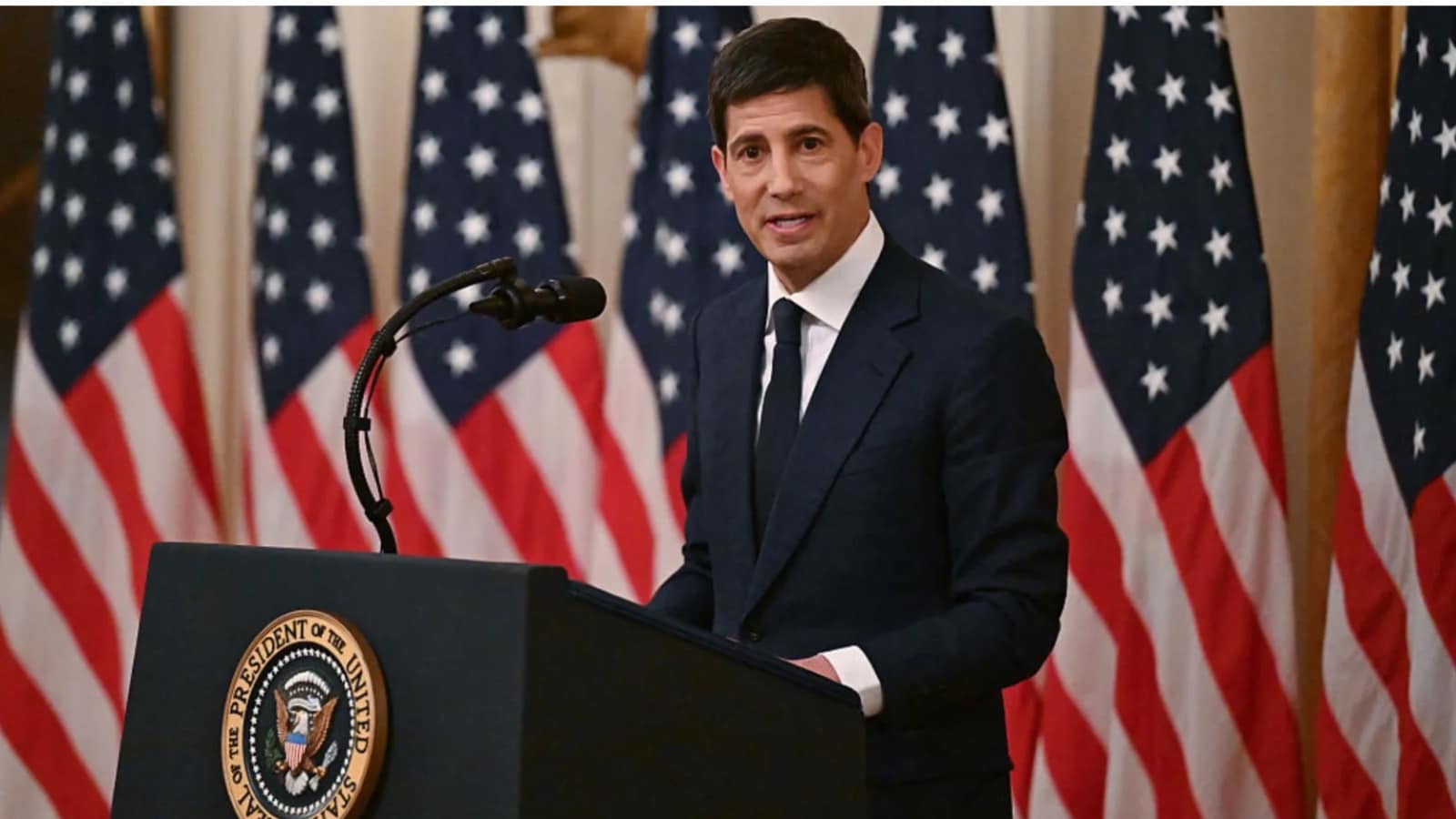
Wall Street expected an easy ride when Kevin Warsh took over the central bank. They were wrong. As the Federal Open Market Committee gathers for Warsh's second meeting at the helm, the central bank is widely expected to keep interest rates locked in the 3.50% to 3.75% range.
Forget the boring consensus. Beneath that headline stability, a quiet war is brewing over whether the next move is a hike or a cut. If you liked this post, you should check out: this related article.
The Reality Behind the Rate Pause
Nobody likes uncertainty, but that is precisely what the new Fed chair is serving. At his debut meeting in June, Warsh shocked markets by steering the committee to hold rates while ditching the comfort blanket of heavy forward guidance.
If you are waiting for a clear roadmap from Washington, stop. Warsh hates predictive signaling. He believes past Fed chairs trapped themselves by over-talking. For another look on this story, refer to the latest coverage from MarketWatch.
The benchmark rate is staying put for now, but the voting room is fractured. Nearly half of the policymakers signaled openness to rate hikes earlier this summer as sticky energy costs tied to geopolitical friction kept consumer prices elevated. Headline inflation cooled slightly to 3.5% in June after a sharp spike driven by overseas conflict, but it remains well above the Fed's rigid 2% target.
Why a One-and-Done Hike Is Off the Table
Traders love to panic. In the weeks leading up to this meeting, rate futures saw odds of a surprise hike bounce around as oil prices fluctuated.
Listen closely to seasoned market veterans. Central banks rarely execute a single rate hike after an extended pause and then stop.
"They don't usually do a one-and-done, so it really means the committee has to decide whether they're going to commit to a sequence of rate increases," notes James Bullard, former head of the St. Louis Fed.
Commitment to a tightening cycle requires overwhelming economic data. While employment numbers have proven resilient, underlying growth signals remain mixed. Warsh is not going to gamble the economy on volatile monthly prints. He wants structural proof.
The New Internal Task Forces Changing Everything
Most retail investors ignore the plumbing of the central bank, focusing entirely on the headline rate decision. That is a costly mistake right now.
Warsh is actively dismantling old operational habits. He established five internal task forces to dissect everything from balance sheet policies and economic data collection to productivity metrics and inflation frameworks.
When Warsh testified before Congress, he made it clear these groups report first to the 19 members of the FOMC before he faces the public. He is imposing intellectual discipline on a institution he spent years criticizing from the outside. If you want to know where monetary policy is heading by winter, watch how these task forces reshape the Fed's view of productivity and jobs.
How to Position Your Portfolio Right Now
Holding cash in a high-yield savings vehicle still feels safe while the Fed stays on hold. But do not get too comfortable.
- Reassess floating-rate debt: If you are holding adjustable-rate loans or credit lines, assume rates will stay higher for longer. The era of cheap money is dead.
- Look past the July meeting: The September policy gathering will serve as the true stress test for whether inflation has genuinely stabilized.
- Ignore the noise: Disregard pundits who claim Warsh will bow to political pressure for sudden rate cuts. His entire track record points toward a singular obsession with price stability, even if it alienates the White House.
Keep your duration flexible and stop betting on a sudden pivot.