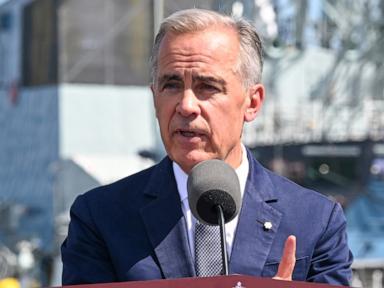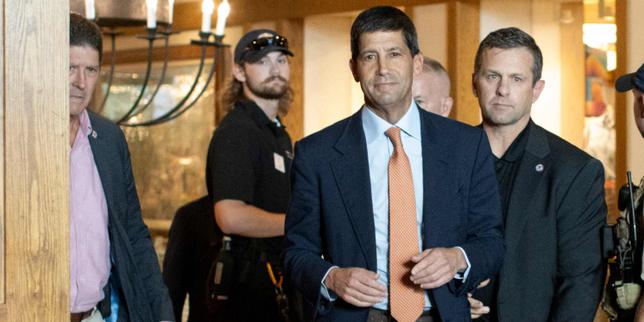
Federal Reserve Chair Kevin Warsh stepped up to the podium in Jackson Hole, Wyoming, and delivered a stark message that caught Wall Street completely off guard. Inflation in the United States isn't beaten yet. In fact, Warsh called the current trajectory of price increases distinctly "preoccupying," signaling that the central bank's fight for stable prices is far from finished.
If you thought high interest rates were a thing of the past, you're missing the reality of what's happening to the American economy. Let's look at why the new Fed leadership is sounding the alarm and what it means for your wallet.
The Reality Behind the Fed's Inflation Panic
When Kevin Warsh took the reins at the Federal Reserve, markets expected a fresh start and a clear path toward lower borrowing costs. Instead, sticky price pressures have thrown a wrench into those hopes.
The personal consumption expenditures (PCE) price index—the Fed's favorite inflation gauge—climbed 3.7% over the year through July. That number sits comfortably above the central bank's stated 2% target. Meanwhile, core PCE is tracking at 3.3%, proving that the baseline costs of living refuse to settle down.
Warsh noted during his keynote address that while summer price readings came in slightly better than expected, they simply do not prove that underlying trends have meaningfully improved. He stated bluntly that delivering stable prices remains the Fed's primary job, and warned that policymakers have plenty of work left to do if inflation refuses to cooperate.
Why Markets Misread the Signals
Wall Street loves to bet on rate cuts. Every time a monthly Consumer Price Index (CPI) report shows a fractional cool-down—such as the CPI dropping to 3.4% in July—stocks rally and commentators declare victory over inflation.
Warsh is refusing to play that game. By cutting off the era of heavy "forward guidance" left behind by past leaders, he's leaving investors in the dark on purpose. He wants markets to focus on incoming hard data rather than trying to psychoanalyze every central bank statement.
Lenders are already calling the Fed's bluff. Thirty-year fixed mortgages are hovering around 6.6%, and long-term Treasury yields have climbed to multi-year highs. Bond markets don't believe inflation is under control, and investors are demanding higher yields to compensate for the stubborn purchasing power erosion.
What This Means for the Economy Moving Forward
Stubborn inflation combined with a resilient economic backdrop leaves the Federal Reserve in a tight spot. If growth stays strong while prices refuse to normalize, the pressure to raise interest rates grows louder by the day.
Look at the division inside the central bank. During the previous policy meeting, several voting members dissented from the majority hold, pushing for a rate hike instead. That type of internal split hasn't happened in a decade.
If you are buying a home, financing a car, or managing corporate debt, you need to prepare for higher-for-longer borrowing costs. The era of cheap money isn't coming back anytime soon, especially with a Federal Reserve chair who views current inflation readings as an urgent threat rather than a temporary bump in the road. Keep a close eye on upcoming employment and inflation prints, because the next policy meeting will set the economic tone for the rest of the year.
The US Fed Hike Interest Rates in September?
This video explores how Kevin Warsh's commentary and rising inflation readings are directly shaping upcoming Federal Reserve interest rate decisions.