You shouldn't celebrate the latest inflation numbers just yet.
Yes, the headlines look great on paper. The Bureau of Labor Statistics just reported that the Consumer Price Index dropped 0.4% in June 2026, marking the sharpest one-month price decline since the pandemic chaos of April 2020. On an annual basis, headline inflation cooled down to 3.5%, a welcome drop from the ugly 4.2% rate we saw in May.
If you just glance at those numbers, it feels like the economy is finally turning a corner. But if you dig into why it happened, you'll realize we're skating on incredibly thin ice.
The truth is that this sudden burst of disinflation wasn't driven by a fundamental healing of the U.S. economy. It happened because of a temporary geopolitical pause that has already evaporated.
The Mirage of Cheap Gasoline
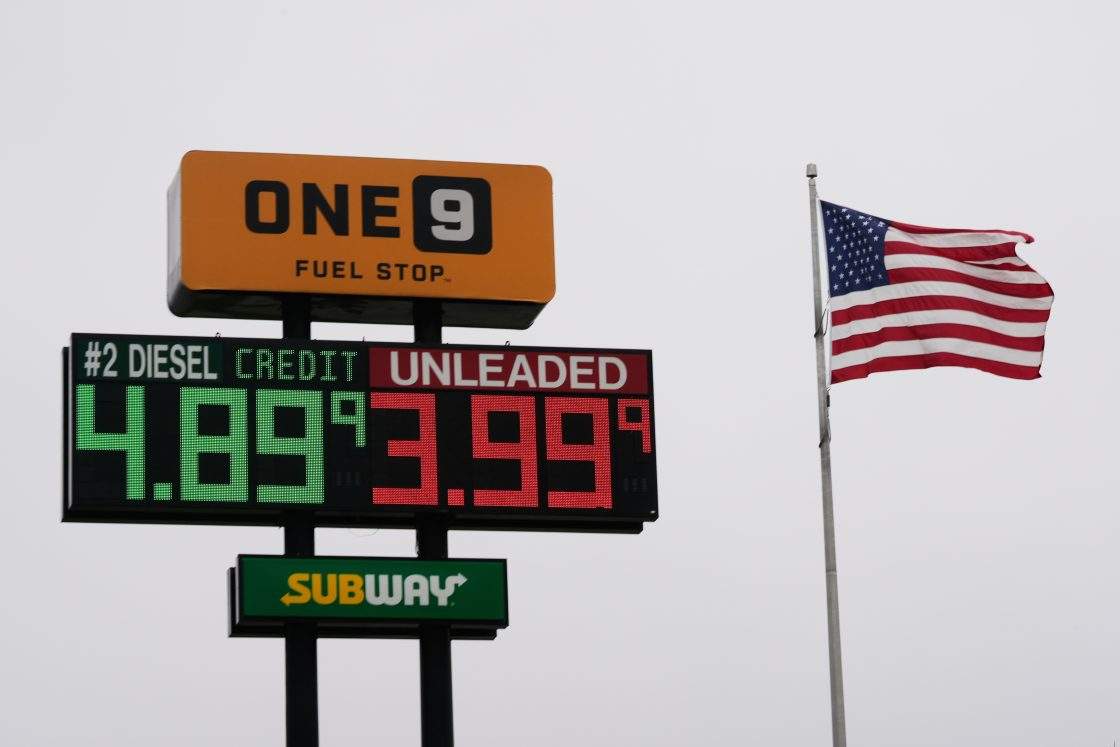
Let's look at what actually moved the needle. The entire June decline belongs to the energy sector, which plunged 5.7% over the month. Gasoline prices specifically tumbled 9.7%.
That drop didn't happen by magic. It happened because the U.S. and Iran signed a 60-day ceasefire memorandum of understanding, allowing oil tankers to safely navigate through the Strait of Hormuz again. For a brief moment, the massive risk premium on crude oil disappeared, and pump prices fell from a brutal May peak of over $4.50 a gallon down to a national average of $3.86.
But here is the catch: that ceasefire has already collapsed.
The U.S. has renewed attacks on Iran, a new blockade is looming in the Strait, and oil prices are actively marching right back up. Because the CPI report is a rearview mirror looking at June data, it doesn't reflect the chaos happening at this exact moment.
Enjoy the cheaper fill-up today, because July's data is likely to erase a huge chunk of these gains.
What Underlying Sticky Inflation Tells Us
If we strip away the volatile swings of energy and food, we get core CPI. This is the number that central bankers obsess over because it shows where inflation is actually taking root.
Core CPI rose 2.6% on an annual basis in June, down from 2.9% in May. While that looks like progress, it was completely flat at 0.0% on a month-over-month basis.
- The Good News: Used car prices fell 1.8% over the past year, new car prices remained entirely flat, and apparel dropped 0.6% in June.
- The Bad News: The things you can't avoid buying are still punishingly expensive.
Grocery bills crept up another 0.2% in June. If you want to buy beef or veal, you're paying nearly 12% more than you did last year. Fruit and vegetable prices are up 5.3%. Dining out at restaurants will cost you 3.4% more than a year ago. Electricity is up 4%.
This explains why everyday Americans are completely miserable about the economy despite Wall Street cheering for a 3.5% print. Five years of compound inflation have broken household budgets, and a slight deceleration in the rate of increase doesn't lower the actual prices at the cash register.
Kevin Warsh and the Fed Dilemma
The Federal Reserve, now led by Chairman Kevin Warsh, is stuck in a brutal position.
The market's initial reaction to the June cooling was a sigh of relief, with the CME Group's FedWatch tool immediately pricing in an 86% chance that the Fed holds interest rates steady at its next meeting. The cooling numbers keep a sudden rate hike off the table for the immediate future.
However, anyone thinking a rate cut is coming this year is dreaming.
The labor market is proving way too stubborn for the Fed to ease up. The economy added 57,000 jobs last month, and the unemployment rate ticked down to a historically low 4.2%. Workers are still seeing their wages rise, with real average hourly earnings jumping 0.80% in June.
When you have a tight labor market, rising real wages, and a reignited conflict in the Middle East threatening to send oil back over $100 a barrel, the Fed cannot afford to lower its guard. If energy prices spike again throughout July and August, Warsh may actually have to look at raising rates later this year to stop inflation from bleeding into the broader economy.
Actionable Next Steps for Businesses and Investors
Don't let a single optimistic headline change your long-term financial strategy. Treat this June drop as an anomaly rather than a permanent trend.
- Re-evaluate Supply Chain Energy Exposure: If your business relies heavily on shipping, logistics, or petroleum-based inputs, lock in fuel contracts now if you can. The June lull was a gift, but the shipping threats in the Strait of Hormuz mean transportation costs are bound to fluctuate wildly this quarter.
- Maintain B2B Pricing Flexibility: With core inflation flat and energy threatening a comeback, do not lock your business into long-term, fixed-price revenue contracts without built-in inflation adjustment clauses.
- Stress-Test Portfolios for Higher-For-Longer Rates: If your investment strategy relies on the Fed cutting interest rates by the end of 2026, pivot. Prepare your capital allocation for a reality where the benchmark rate stays exactly where it is—or moves higher—well into next year.