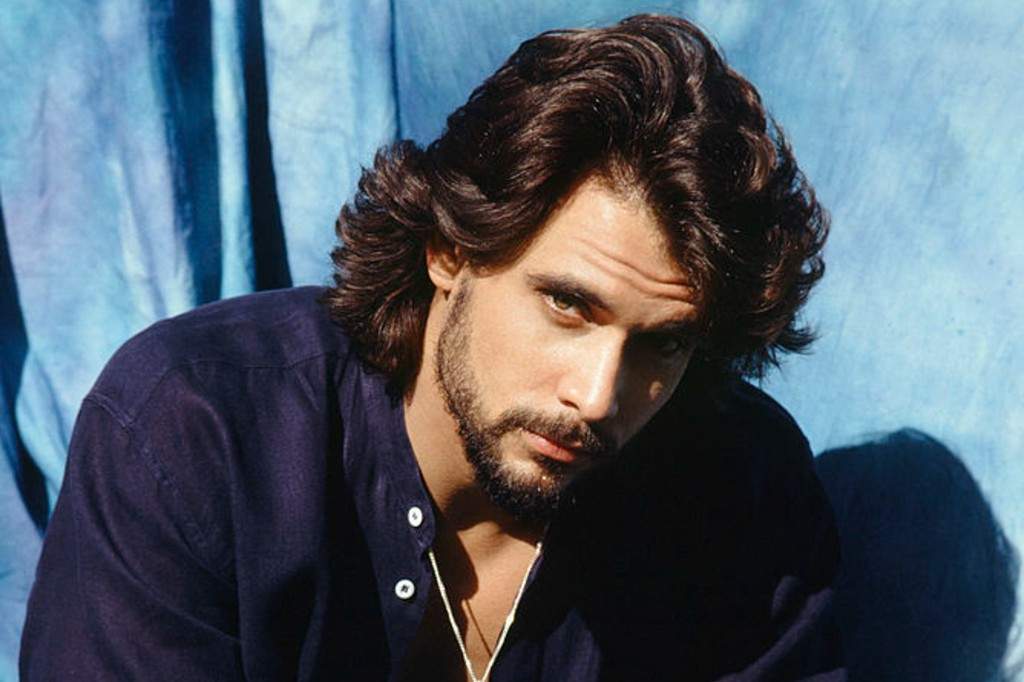
Jeffrey Archer never did anything quietly. Whether he was storming the House of Commons, selling millions of blockbuster thrillers, or landing himself in a prison cell, he lived his entire life at full volume. At 86 years old, the bestselling British novelist and former politician died suddenly at home between writing sessions, leaving behind a publishing footprint spanning over three decades and more than 300 million copies sold.
He was a walking contradiction. To his millions of readers worldwide, he was the ultimate master storyteller who invented breathless plots in Kane and Abel and The Clifton Chronicles. To the British political establishment, he was a cautionary tale of unbridled ambition crashing into public disgrace. Yet you can't understand modern British culture without looking at how Archer managed to survive every crisis, reinventing himself until his very final novel, Adam and Eve.
The Rise of a Political Maverick
Born in north London in 1940, Archer didn't start out with literary credentials. He entered Westminster in 1969 as the Conservative MP for Louth at just 29 years old. He had boundless energy and a salesman's charm that could easily win over a room or alienate his peers.
Politics wasn't a slow burn for him. He wanted to climb fast. By the late 1970s, financial near-ruin from a bad investment forced him out of the Commons, pushing him toward a typewriter. That financial emergency changed literary history. His first novel, Not a Penny More, Not a Penny Less, published in 1976, became an instant hit. Suddenly, writing wasn't just a side hustle. It was a golden ticket.
Writing as an Obsession
Most authors treat writing like a delicate artistic ritual. Archer treated it like an industrial shift. He famously wrote multiple drafts by hand, waking up at ungodly hours and pushing himself through rigid daily targets. His editors frequently praised his work ethic, noting that he treated every single chapter as a battle to be won.
He didn't write high-art literature meant for dusty university seminars. He wrote page-turners. He understood pacing, cliffhangers, and how to keep a commuter glued to a paperback train ride. That populist touch is why books like Kane and Abel dominated international bestseller lists for decades. He gave readers exactly what they wanted, refusing to apologize for being commercial.
The Scandal That Shook Westminster
You can't talk about Jeffrey Archer without addressing the massive dark cloud over his public life. His political ambitions never truly died after he left the Commons; he later served as deputy chairman of the Conservative Party and earned a peerage as Lord Archer of Weston-super-Mare.
Everything imploded in 2001. Following a high-profile libel action against the Daily Star newspaper over false claims regarding his personal life, it emerged that Archer had lied. He was convicted of perjury and perverting the course of justice, serving a four-year prison sentence.
Most public figures would have vanished into quiet obscurity after a scandal that severe. Not Archer. He wrote a bestselling prison diary series while locked up, proving his relentless drive to monetize his own life experiences. When he walked out of HMP Lincoln in 2003, he walked right back into the public eye, resuming his writing career without missing a beat.
Life to the Very Last Page
Up until his final days, Archer maintained the frantic pace of a man half his age. Just days before his death, he appeared at the Leicester Square Theatre alongside broadcaster Gyles Brandreth, signing books and cracking jokes for fans. His publishers noted that he passed away peacefully at home, right in the middle of working on drafts.
He leaves behind his wife of 60 years, Mary Archer, alongside a complex legacy that resists easy categorization. Was he a disgraced politician or a legendary populist author? The truth is he was entirely both. He built an empire out of sheer stubbornness, writing his own rules until the ink finally ran dry.