Tokyo has a massive manpower problem. The Self-Defense Forces are bleeding personnel, recruitment targets are consistently missed, and the national birthrate keeps hitting historic lows. Yet, when faced with proposals to let foreign nationals fill the ranks, the government slammed the door shut.
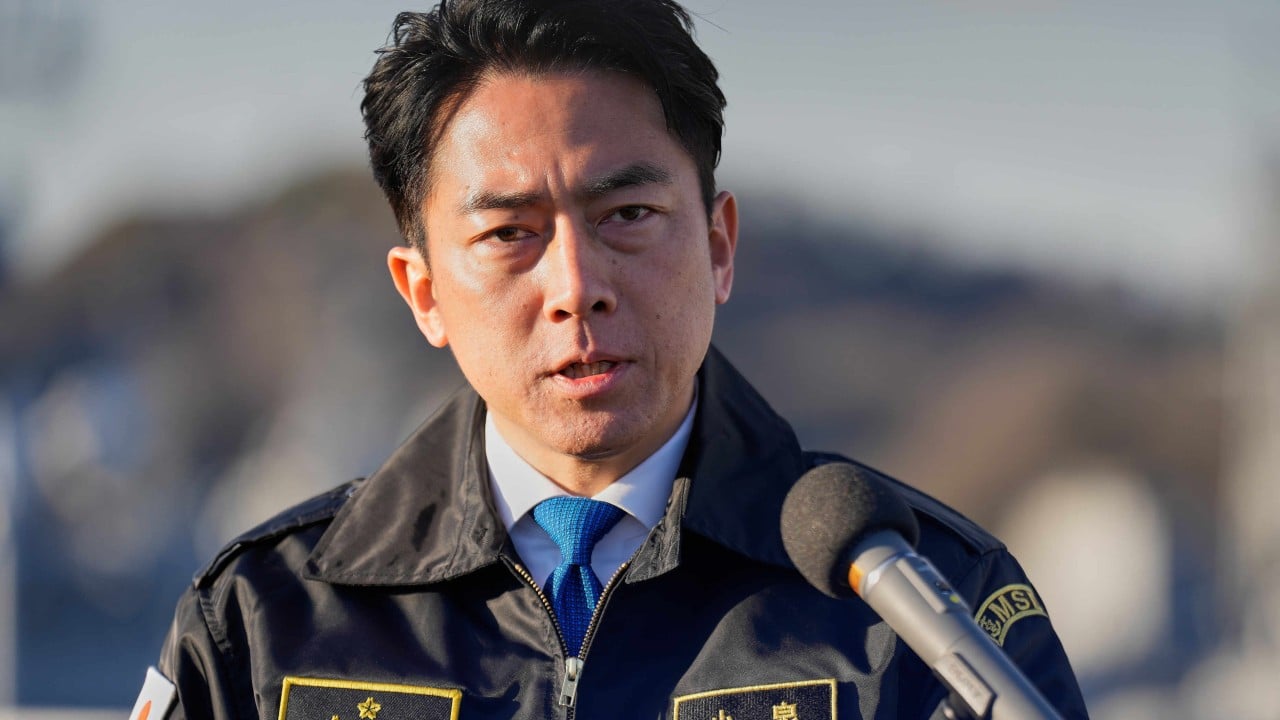
If you look closely at East Asian security dynamics, this decision tells you everything you need to know about Tokyo's deep-seated hesitation to truly internationalize its defense apparatus. Defense Minister Shinjiro Koizumi made it clear that bringing in foreign soldiers is off the table.
Let's break down why this happened, why the manpower crunch is reaching a breaking point, and what Tokyo plans to do instead.
The Reality of Japan's Military Shortfall
Japan isn't just dealing with a minor hiring freeze. The Self-Defense Forces face structural shortages that threaten regional deterrence strategies. With a rapidly aging population and a shrinking pool of young citizens eligible for service, military barracks across the country are half-empty.
Think about the numbers. Year after year, the Ministry of Defense fails to recruit its targeted quota of personnel. Retention rates are sluggish, and the private sector offers far more competitive salaries and lifestyle perks without the rigid hierarchy of military life.
When outsiders look at this crisis, the solution seems obvious. Bring in foreign nationals—perhaps permanent residents or specialized workers from allied nations—to pad the numbers. Many Western militaries already use foreign recruits to fill critical gaps. But Japan operates under a completely different set of social, historical, and legal parameters.
Why Tokyo Said No to Foreign Recruits
Allowing foreign nationals into the military touches raw nerves in Japanese politics. Sovereignty and national security are tightly bound to ethnic and cultural homogeneity in mainstream political thought.
Politicians worry about divided loyalties. Can a soldier without Japanese citizenship be trusted to defend remote islands or handle classified intelligence? Public skepticism remains high, and ruling politicians are unwilling to spend precious political capital on a reform that would trigger fierce nationalist backlash.
Furthermore, the legal framework of the constitution heavily restricts how the military operates. Bringing non-citizens into an organization explicitly designed around the defense of the homeland creates constitutional gray areas that lawmakers simply don't want to navigate.
How Japan Plans to Fix the Gap Instead
Since foreign recruitment is out, Tokyo is turning toward alternative fixes. None of them are silver bullets, but they reflect where the defense establishment is placing its bets.
- Automation and Advanced Technology: Instead of manpower, Tokyo is pouring money into uncrewed systems, robotics, and artificial intelligence to multiply the effectiveness of existing troops.
- Aggressive Recruitment of Women: The military is actively revamping its barracks, career tracks, and workplace culture to attract female service members who have historically been underrepresented.
- Expanded Civilian Roles: Shifting non-combat administrative and logistical tasks to civilian contractors frees up active-duty personnel for frontline operations.
These shifts require massive budget allocations and cultural changes inside conservative institutions. Relying on technology won't completely replace boots on the ground, especially when maintaining a credible deterrent in an increasingly tense region requires physical presence.
The refusal to accept foreign soldiers highlights a rigid adherence to domestic traditions even as external threats multiply. Tokyo is betting that technology and internal demographic adjustments will be enough to bridge the gap. If those bets fail, the defense posture will face an even steeper reckoning.
Amid Shortage of Men, Japan Recruits More Women Soldiers
This video provides context on how Japan has previously attempted to address its military manpower shortages by shifting recruitment strategies toward women amidst an aging population.
http://googleusercontent.com/youtube_content/1