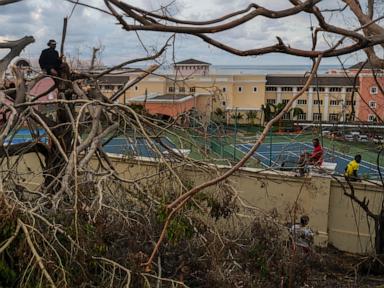
Twelve billion dollars. That is the staggering price tag Hurricane Melissa left in its wake across Jamaica, tearing through communities and shattering infrastructure.
When the storm slammed into the island's western corridor, it didn't just strip roofs off homes and knock out power grids. It brought an entire economy to its knees, destroying agriculture and disrupting daily life in parishes like Saint Elizabeth, Westmoreland, and Hanover. Now, as the peak tourism season approaches once again, the island faces a stark reality. Rebuilding a country after a historic natural disaster takes more than a few months. It takes an exhausting, ongoing fight.
If you look at the tourist boards and resort advertisements, you will see glossy images of pristine beaches and fully operational hotels along the north coast. Montego Bay and Ocho Rios are welcoming travelers back with open arms. Flights are landing, cruise ships are docking, and visitors are sipping rum punch by the pool. But that surface-level narrative misses the raw truth of what is happening away from the resort strips.
Ask anyone living in the rural and western interior how recovery is going, and you will hear a different story. Thousands of families are still piecing their lives together under tarps or living in temporary housing units. Schools, clinics, and local roads that took direct hits are still undergoing repairs. The disconnect between the thriving tourist hubs and the struggling residential communities highlights the deep inequalities exposed by the storm.
Tourism remains the lifeblood of Jamaica, driving a massive percentage of its gross domestic product. Pushing for a strong tourism season isn't just about corporate profits. It is about keeping thousands of hospitality workers employed and generating the revenue needed to fund national reconstruction. Officials note that a significant portion of damaged hotel stock has managed to reopen, defying early expectations. Yet, turning the economic engine back on does not mean ordinary households have fully recovered.
Agriculture took some of the heaviest punches from Melissa. Crop yields plummeted, leaving local food supplies tight and prices higher for everyday shoppers. Farmers who lost entire harvests are still waiting for long-term financial assistance to replant. When your livelihood is tied to the soil, a single storm can wipe out decades of generational work in a few hours.
The international community has stepped in with millions of dollars in aid, emergency water systems, and medical support. Local grassroots organizations and community groups have worked day and night to clear debris and restore basic services. That fierce communal resilience is the real reason Jamaica is standing today. Jamaicans do not wait around for saviors. They roll up their sleeves and start clearing the blocked roads themselves.
Travelers heading to the island this season can play a direct role in that recovery by supporting local businesses, independent tour operators, and community-run excursions. Choosing to visit is fine, but understanding where your money goes matters even more. Look beyond the all-inclusive resort gates. Eat at local restaurants, buy crafts from local artisans, and support the communities working tirelessly to reclaim their future.
The road ahead is long. Rebuilding a nation takes years, not months. Jamaica's spirit is unbroken, but the struggle is far from over.