The diplomatic reality in the Middle East just hit a massive roadblock. Under heavy pressure from Washington, direct talks between Israeli and Lebanese officials kicked off in April. They are the first direct discussions in decades. But anyone hoping for a quick, clean exit of Israeli troops from southern Lebanon is in for a rude awakening. Jerusalem just drew a hard line in the sand. They are making a full withdrawal dependent on one massive condition. Hezbollah must completely disarm.
It is a bold and dangerous gamble. It completely flips the traditional "land for peace" formula that defined Middle East diplomacy for generations. Instead, we are looking at a new mandate. Land for disarmament. You might also find this related article useful: Why Vladimir Putin Keeps Promising Heavier Strikes On Kiev.
This isn't just a minor disagreement over a timetable. It's a fundamental clash of survival strategies. The recent U.S. mediated channel in Washington has brought both sides to the table, but the distance between their core demands remains a vast chasm.
The Core Dilemma in Southern Lebanon
The Israeli government is playing hardball. Prime Minister Benjamin Netanyahu and his defense cabinet have made their position clear to anyone listening. They aren't going to pull troops back to the border just to watch Hezbollah rebuild its rocket infrastructure. As discussed in latest coverage by The New York Times, the effects are notable.
For Israel, the security of its northern settlements is the absolute priority. The military maintains what it calls the Yellow Line in Lebanon. It's a strategic buffer zone essential for preventing cross border raids and short range missile attacks. Israeli leaders argue that leaving this zone without a guarantee of Hezbollah's total disarmament would be geopolitical suicide.
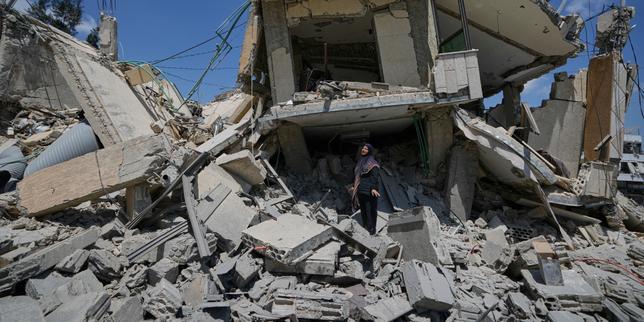
They have history on their side when it comes to skepticism. Last year, the Lebanese government claimed it completed its deployment in the south and disarmed Hezbollah in the border region as part of an earlier ceasefire deal. Israel expressed heavy skepticism. It turns out they were right. The Iran backed militia kept right on attacking. By March, the war reignited with full force, leading to intense bombardments and displacing over a million people across Lebanon.
What Lebanon Is Demanding
On the other side of the table, Lebanese President Joseph Aoun and Prime Minister Nawaf Salam have their own set of non negotiable demands. They want a permanent ceasefire. They want an immediate, fully scheduled withdrawal of Israeli forces. They want the Lebanese Armed Forces to be the sole military power on the southern border.
They also need to rebuild. The conflict has completely wrecked Lebanon's infrastructure. The health sector is buckling under the weight of thousands of casualties. The economy is in absolute free fall. For Beirut, the presence of foreign troops on their soil is an intolerable violation of sovereignty.
The Lebanese government is in a terrible bind. They technically agree that disarming militias is official state policy. It has been for years. But saying you want to disarm Hezbollah and actually doing it are two completely different things. The Lebanese army simply doesn't have the muscle to force a fight with a heavily armed guerrilla group that answers to Tehran.
Hezbollah Rejection of the Deal
The elephant in the room is Naim Qassem. The Hezbollah chief didn't waste any time blasting the diplomatic maneuvers. He recently went on television to demand a full, scheduled withdrawal of Israeli troops. He wants a strict timetable. No conditions. No compromises.
Qassem called the ongoing Washington negotiations a total farce. His logic is simple. As long as Israeli troops occupy an inch of Lebanese territory, the resistance will continue. The group has already rejected ceasefire proposals that didn't include an immediate Israeli pullout. They backed up that rejection with action. Even during brief diplomatic pauses, fighters have launched rocket attacks against Israeli military vehicles in southern towns like Qantara and Qana.
This creates a brutal paradox. Israel won't leave until Hezbollah disarms. Hezbollah won't even consider stopping the fight until Israel leaves. It's a classic chicken and egg problem, except the stakes are measured in human lives and regional stability.
The Regional Shockwaves
This standoff doesn't happen in a vacuum. It's tied directly to the wider geopolitical proxy war involving Washington and Tehran. The broader conflict has been incredibly draining for everyone involved. Weeks of intense strikes between Israel, the U.S., and Iran have reshaped the region.
The U.S. administration, with Vice President JD Vance and Senior Advisor Jared Kushner leading discussions alongside Qatari mediators, is trying to hammer out a lasting framework. They want to stabilize the region and secure shipping lanes like the Strait of Hormuz. But Washington is finding out that local actors have their own agendas.
Iran is pushing back against American pressure, asserting its sovereignty and backing its proxies. Tehran demands that any grand regional deal must include an immediate halt to Israeli strikes in Lebanon. This leaves the Lebanese state caught in the middle. They are a sovereign country on paper, but a battleground in reality.
The Symbolic Battlegrounds
The internal debate inside Israel reveals just how complicated a withdrawal will be. Take the Beaufort Ridge area. Senior defense and political officials have been debating whether to make small, tactical withdrawals from areas beyond the six mile line.
Some officials argue that pulling back from symbolic positions like Beaufort could signal a good faith initiative. It might help restore some semblance of normal relations with the Lebanese state. But a powerful faction within the security establishment strongly disagrees. They believe holding these strategic heights is non negotiable. They think any retreat looks like weakness.
This internal friction means Israel won't offer easy concessions. They want concrete structural changes on the ground before they move a single bulldozer back across the border.
Next Steps for Following the Crisis
The situation is fluid and dangerous. If you want to understand how this crisis will unfold over the next few weeks, stop looking at the official press releases. Watch these specific markers instead.
First, look at the actual deployment patterns of the Lebanese Armed Forces. Watch if they genuinely attempt to assert control in villages south of the Zahrani River. If they remain passive, the talks in Washington are effectively dead.
Second, monitor the frequency of tactical skirmishes. Even with a nominal ceasefire in place, the true indicator of progress is whether the daily exchange of fire in southern towns actually drops to zero.
Third, watch the political rhetoric coming out of Beirut. The real test is whether President Aoun can find any leverage to pressure Hezbollah politically without triggering a domestic civil conflict.
The old diplomatic playbook is gone. The demand for total disarmament as a condition for territorial withdrawal has rewritten the rules of engagement. It's a high stakes standoff, and neither side looks ready to blink.