Israel's political landscape hits familiar turbulence every single election cycle, and the latest moves by the Central Elections Committee prove nothing has changed. Lawmakers on the panel voted to bar major Arab political factions and specific candidates from running in the upcoming Knesset vote. If you have followed Israeli politics for more than five minutes, you already know the script. It is a recurring political ritual that happens like clockwork ahead of national votes.
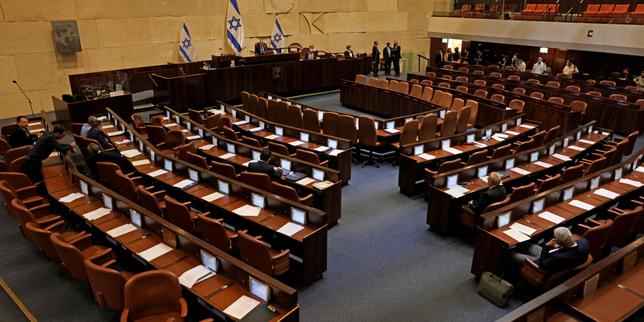
The Central Elections Committee decided to disqualify lists representing Arab citizens, alongside figures like Balad party chief Sami Abu Shehadeh and left-wing lawmaker Ofer Cassif. The official justifications lean heavily on statutory clauses concerning the denial of Israel as a Jewish and democratic state or alleged support for armed struggle. Yet, looking past the legal jargon reveals an inherently partisan body. The committee is made up of politicians representing parties from the outgoing parliament, turning what should be a quasi-judicial process into a political weapon.
The Supreme Court Reality Check
Before anyone panics about the permanent exclusion of roughly twenty percent of the country's population from the ballot, remember how this story usually ends. The committee's rulings are not final. They require immediate review and approval by the Israeli Supreme Court.
Historically, the Supreme Court steps in and overturns these politically motivated bans. Justices repeatedly rule that the threshold to disenfranchise an entire political faction or candidate under basic laws requires a high evidentiary bar that committee petitions rarely clear. So why do parties keep filing these motions? Because the battle is less about winning a permanent ban and more about framing the political narrative ahead of voting day.
Strategic Posturing and Voter Mobilization
Right-wing factions frequently initiate these disqualification drives to energize their base. Painting Arab political representation as an existential threat helps rally conservative voters around the flag. On the flip side, the threats serve as a powerful mobilization tool for Arab-Israeli parties. When a million citizens see their political voice targeted by parliamentary majorities, turnout dynamics shift.
Denouncing the committee's decision, representatives pointed out the blatant attempt to silence a substantial minority. It turns an administrative hurdle into a rallying cry, reminding voters what is at stake when the ballot boxes finally open.
What Comes Next
The focus shifts immediately to the Supreme Court, where legal teams will argue over constitutional boundaries and freedom of political expression. While the court deliberates under a tight pre-election schedule, the broader question of civic equality remains unresolved. As long as minority representation sits at the mercy of partisan electoral panels, Israeli democracy will continue fighting itself in court before every single trip to the polls. Keep a close eye on the upcoming judicial rulings because they will dictate the final shape of the ballot.