The shadow war inside the Gaza Strip continues to claim senior leadership figures. When an Israeli air strike hits a target, it's rarely random. The recent military operations carried out by the Israel Defense Forces (IDF) focus sharply on dismantling the logistical and tactical infrastructure of Hamas, specifically targeting key weapons commanders and high-ranking operatives.
If you look past the breaking news headlines, a clear military strategy emerges. Israel isn't just reacting to daily rocket fire. They're methodically tracking down the architects of the October 7, 2023 attacks and the individuals responsible for manufacturing rockets, managing arsenals, and directing military engineering.
Inside the IDF Targeted Killing Strategy
Precision strikes require mountains of intelligence. The collaboration between the Israel Security Agency (ISA) and the IDF yields data that allows air force jets to strike specific compounds, vehicles, or underground hideouts.
When commanders who oversee weapon development networks are eliminated, the operational capacity of militant groups takes a direct hit. You can rebuild a rocket launcher, but replacing decades of institutional knowledge held by senior logistics and weapons commanders is a different story. Hamas has routinely lost key figures—ranging from military wing leaders like Izz al-Din al-Haddad and Mohammed Deif to specialized production heads.
Every time a high-value target goes down, the command-and-control structure fractures further.
The Broader Impact on the Gaza Conflict
The human cost of these operations remains staggering. The Gaza Health Ministry reports tens of thousands of casualties since the war began, with civilian infrastructure suffering catastrophic damage. Humanitarian organizations and international bodies continually raise alarms over the scale of destruction, pointing to widespread displacement and severe shortages of basic necessities.
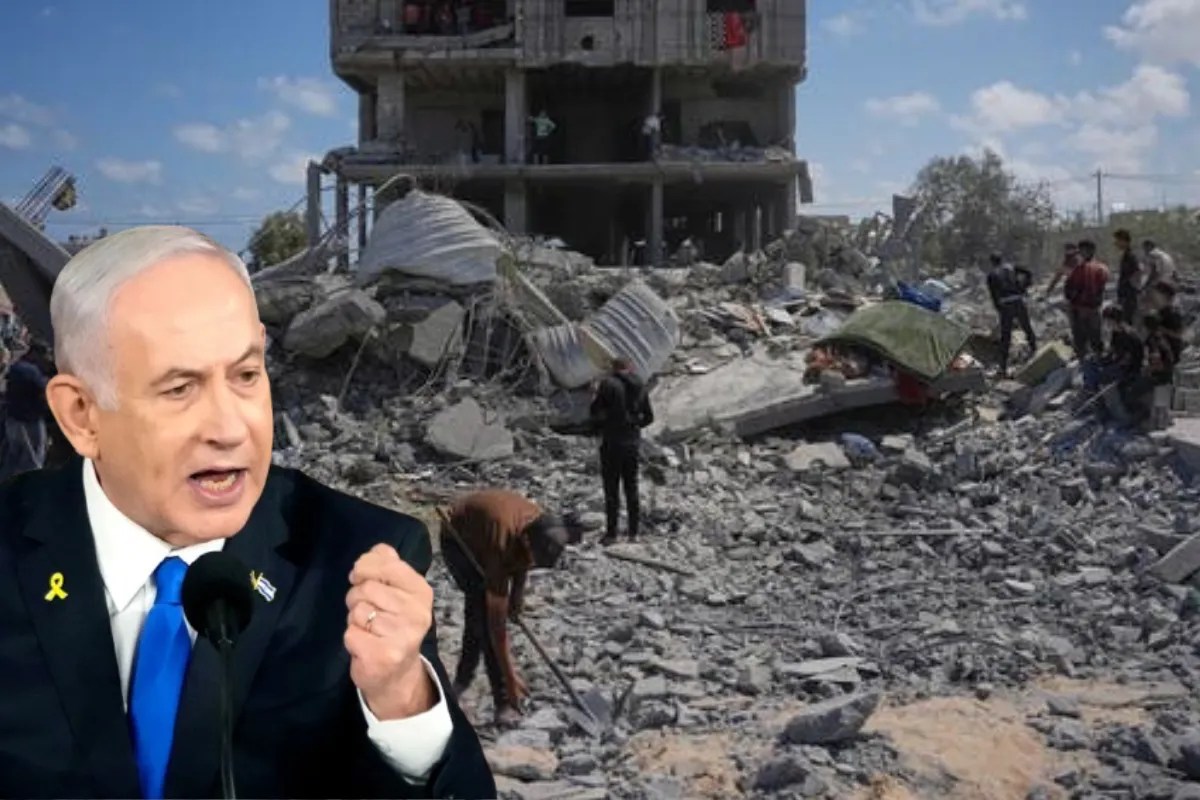
Yet, military analysts note that Israel's leadership remains committed to its stated objective. Prime Minister Benjamin Netanyahu and defense officials have repeatedly stated that operations will persist until the entire leadership apparatus of Hamas is neutralized and its governing capabilities are stripped away.
Ceasefire negotiations frequently stall over these exact points. Disagreements regarding the disarmament of Hamas, the release of remaining hostages, and the long-term security control of the Gaza Strip keep both sides locked in a cycle of intermittent fighting and fragile truces.
What to Watch Next
Pay attention to how intelligence-sharing evolves and whether localized operations shift geography. As high-ranking figures continue to fall, the internal chain of command within Hamas grows increasingly decentralized. Monitoring official military briefings alongside independent humanitarian updates provides the clearest picture of how this prolonged conflict shapes regional stability.