Bribes don't look like briefcases full of cash anymore. They look like public contracts, overpriced infrastructure rebuilds, and political patronage networks that drain a nation dry.
When security forces picked up Ahmed al-Jubouri—the former governor of Saladin province better known as Abu Mazen—in Baghdad, it wasn't just another routine police blotter entry. It marked a major escalation in Prime Minister Ali al-Zaidi's aggressive anti-corruption campaign. For years, heavyweights like al-Jubouri operated behind layers of political immunity and tribal alliances. Now, those shields are cracking.
You need to understand why this matters right now. Iraq isn't just dealing with run-of-the-mill embezzlement. The state is clawing back millions of dollars tied to public reconstruction funds that were supposed to rebuild cities shattered by conflict.
The Anatomy of the Saladin Province Arrests
Al-Jubouri wasn't taken alone. Authorities also hauled in businessman Mohammed al-hajaf in Saladin province. The pairing tells you everything you need to know about how the system works. Corrupt governance requires a business partner to turn public works into private fortunes.
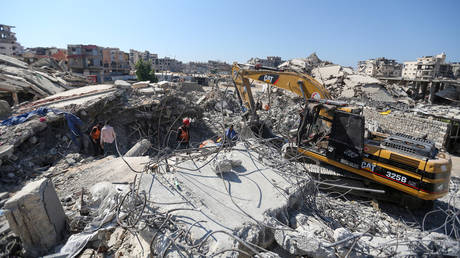
Saladin province has spent years trying to recover from infrastructure destruction, particularly following the war against ISIS. Reconstruction budgets are massive. Unfortunately, oversight has historically been weak. Federal audits flagged serious irregularities in local energy and electricity projects long before cuffs went on.
Al-Jubouri is a veteran political survivor. He has served as a provincial governor, a member of parliament, and even minister of state for provincial affairs. Figures like him built empires on patronage. They traded state appointments and exclusive building contracts for loyalty and kickbacks. Breaking that cycle means targeting the money trail directly. Al-hajaf's detention signals that investigators are tracking how cash moved from public accounts into private corporate portfolios.
Expanding the Net Beyond Baghdad
This sweep goes far beyond a single provincial capital. Judicial authorities just issued twin arrest warrants for former Labor and Social Affairs Minister Ahmed al-Asadi. The charges against al-Asadi point directly to exploiting ministerial power for financial gain and failing to explain massive, unexplained jumps in personal assets.
When you look at the wider crackdown—often dubbed Operation Dawn—the numbers tell a stark story. Scores of high-ranking figures, advisers, and party leaders have found themselves behind bars or facing active warrants. The Integrity Commission reported a sharp spike in arrest warrants for public land fraud, construction theft, and oil derivative smuggling.
People often ask if these campaigns are just political theater. Sometimes they are. Previous administrations used anti-corruption slogans to sideline rivals while protecting allies.
This time feels different because the financial pressure on Baghdad is existential. Low oil revenues and tight budgets mean the government simply doesn't have cash to burn. When state employees face salary delays because public funds have vanished into private networks, public anger boils over. Prime Minister al-Zaidi is betting his political survival on recovering those lost billions.
Breaking the Patronage Trap
Iraq's governance model relies on power-sharing blocs across Shiite, Sunni, and Kurdish factions. Historically, this system created a culture of impunity. If you belonged to the ruling coalition, your ministry was your personal fiefdom.
The current crackdown tests whether cross-sectarian political pacts can survive when prosecutors start arresting prominent leaders from those exact same coalitions. The State Administration Coalition recently backed the judicial drive, but maintaining that political cover as investigators close in on powerful allies will test the government's resolve.
If you want to see where Iraq's economy is heading, watch the courts, not the oil markets. Recovering stolen assets from refineries, reconstruction contracts, and ministries is the only way the state plugs its fiscal holes. The untouchables are finding out their time has run out.