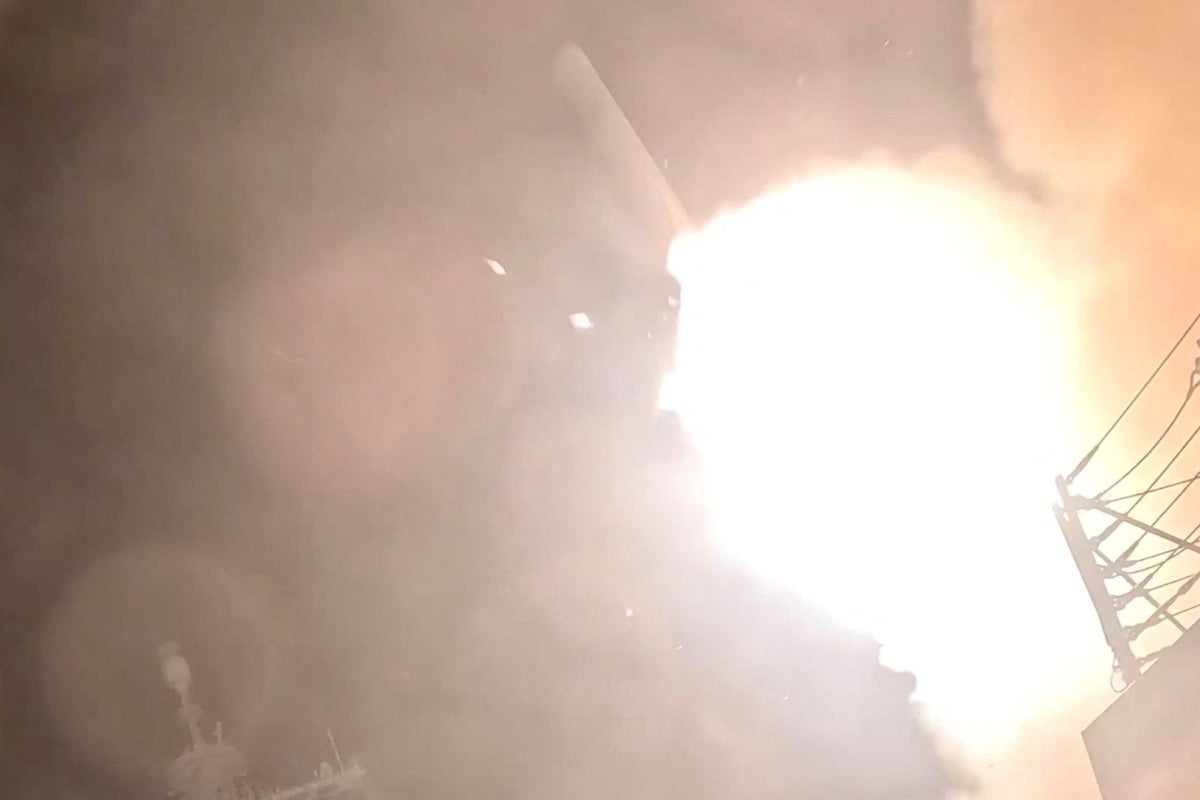
Wars don't just kill people through direct missile impacts. Sometimes, the threat lingers in the dirt long after the enemy drone crashes. That's exactly what happened in northern Iraq on July 18, when a US service member was killed in Iraq during a controlled detonation of an Iranian drone. It wasn't a direct hit from an enemy launch pad. It was a fatal incident during a cleanup operation, which somehow makes the tragedy feel even more brutal.
When U.S. Central Command dropped the news update, the headlines focused on the rising death toll of the broader conflict. But the real story is in the terrifying math of modern drone warfare and the extreme danger facing troops who have to clean up the mess.
Here is what we know. A U.S. service member was assisting with the disposal of unexploded ordnance from a downed Iranian one-way attack drone. Something went wrong. The soldier wasn't even a specialized bomb technician, according to early military reports, but was instead struck by flying fragments and debris when the drone detonated. A second service member suffered minor injuries but survived.
This isn't an isolated mishap. It's a symptom of a highly volatile theater where the line between frontline combat and routine base security has completely vanished.
The Myth of the Safe Controlled Detonation
The term "controlled detonation" sounds clinical. It evokes images of bomb squads in heavy suits working behind thick blast shields, perfectly managing a minor explosion. In reality, dealing with a downed one-way attack drone is a nightmare.
These Iranian-designed loitering munitions are essentially flying cruise missiles packed with volatile commercial and military-grade explosives. When they crash or get shot down without exploding, they become highly unstable landmines. The internal electronics might still be live. The triggers could be decaying.
Military personnel with boots-on-the-ground experience know that clearing these crash sites is a massive gamble. You're dealing with distorted metal, leaked fuel, and primary explosives that can detonate from static electricity or a sudden shift in ground temperature. Calling a detonation "controlled" simply means the military chose the time and place to blow it up. It doesn't mean they can completely control where the shrapnel flies.
The fact that a non-EOD soldier was close enough to be killed by debris points to a harsh reality. Debris fields from these detonations can scatter sharp metal fragments at supersonic speeds across hundreds of yards. If the perimeter isn't deep enough, or if the terrain funnels the blast wave unexpectedly, people get hurt.
A Collapsing Ceasefire and the Grim Math of Operation Epic Fury
This latest death brings the U.S. military death toll to 17 service members since the wider campaign began. Over 400 troops have been wounded. If you've been tracking this conflict, you know the fragile ceasefire that gave everyone a brief moment of hope has completely shattered.
The incident in northern Iraq happened only a day after a devastating Iranian drone and ballistic missile barrage targeted the Muwaffaq Salti Air Base in Jordan. That Friday attack killed two U.S. Army soldiers on the spot and left another missing. Just as the military was announcing the death in Iraq, recovery teams in Jordan discovered unidentified remains, which are undergoing verification to see if they belong to the missing soldier.
Take a look at where these casualties are happening. The U.S. footprint in Iraq has shifted heavily toward Iraqi Kurdistan in the north. Forces pulled back from older bases in Baghdad and the Anbar province to consolidate in what was supposed to be a safer, more defensible region. Clearly, nowhere is safe anymore. Iran has repeatedly targeted these northern bases with waves of low-flying drones that easily bypass traditional radar networks.
Why the Pentagon Strategy is Struggling
The U.S. military is stuck in a costly loop of reactive defense. We are using million-dollar air defense missiles to shoot down cheap, mass-produced drones. When those drones hit the ground without exploding, they still require valuable manpower and extreme risk to clear away.
Defense Secretary Pete Hegseth posted on social media that the sacrifices of these soldiers "stiffens our resolve". That is standard political rhetoric. But resolve doesn't fix a broken tactical approach. The current strategy relies on launching consecutive nights of retaliatory airstrikes against Iranian surveillance sites and logistics hubs. Yet, the drones keep flying, and the casualty lists keep growing.
The Disconnect Between Leadership and the Frontline
While the military struggled to secure its bases and identify fallen service members, the political optics back home looked incredibly out of touch. President Donald Trump spent part of the weekend golfing at his club in Bedminster, New Jersey, and later attended the World Cup final at MetLife Stadium.
Trump did address the media, calling the deaths in Jordan a "shame" but defending the campaign as a necessary move to block Tehran's nuclear ambitions. He claimed the fallen soldiers gave their lives for a greater cause. While that might comfort voters at home, it offers very little comfort to the troops in northern Iraq who are currently looking at a horizon filled with incoming kamikaze drones.
There's a massive gap between stating a strategic goal over the phone to a reporter and managing the daily risk of unexploded ordnance in a war zone. If the administration wants to check Iran's regional influence, it has to protect the soldiers who are acting as sitting ducks at these scattered installations.
What Needs to Change Immediately
We can't keep pretending that routine base maintenance or ordnance disposal in a combat zone is low risk. The Pentagon needs to adapt its protocols right now before more soldiers die from weapon debris.
First, standard operating procedures for handling downed enemy drones must be tightened. Non-essential personnel have to be pushed back much further during any disposal operation. If a soldier who isn't a bomb tech can get struck by debris, the safety cordon failed.
Second, the reliance on manual cleanup needs to drop. The military has access to unmanned ground vehicles and robotic platforms designed specifically to detonate unexploded ordnance from a distance. If an Iranian drone crashes in the desert, send a robot to blow it up. Don't risk an American life just to clear a patch of sand quickly.
Finally, the administration needs to decide if it's actually fighting a war or just trading blows. This pattern of hit-and-back-hit isn't deterring anyone. It's just creating a steady stream of flag-draped coffins coming back from places like Jordan and Iraq. The troops deserve a clear strategic objective, not a never-ending cycle of base defense.
Pack up the gear, deploy the remote bomb-disposal units, and stop letting routine cleanups turn into fatal mistakes.
CNBC report on the US-Iran escalation provides a broader overview of the heavy toll this conflict is taking on American personnel deployed in the region.
http://googleusercontent.com/youtube_content/1