Stop panicking about winter blackouts. Every time a new conflict erupts in the Middle East, the predictable media wave of doom-mongering follows, warning that the UK is about to plunge into a cold, dark rerun of the 1970s. When the US-Israel conflict with Iran escalated earlier this year, those anxieties spiked. Gas prices jumped. Pundits started guessing when the rolling power cuts would hit.
They are wrong.
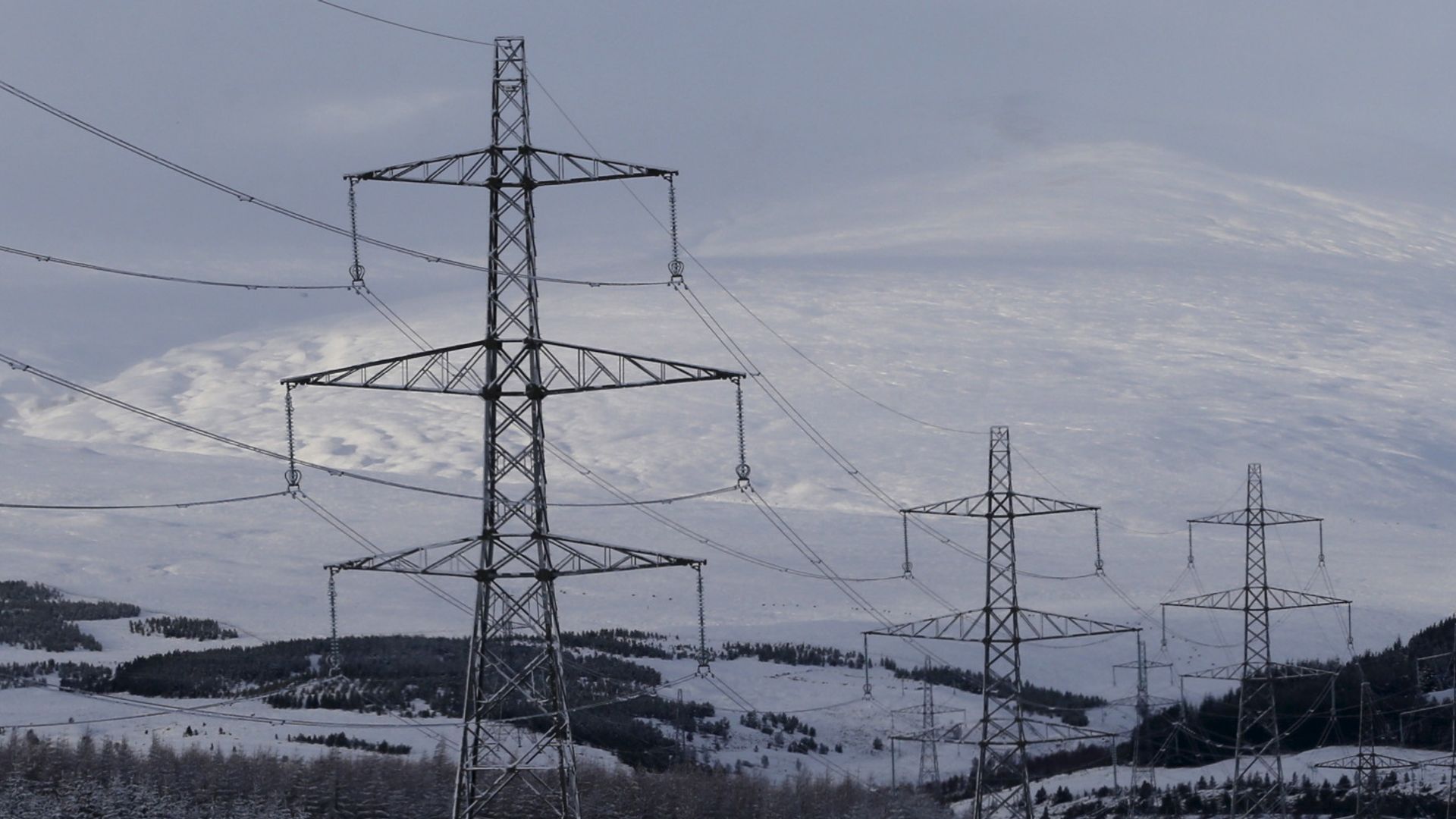
The National Energy System Operator, the newly state-owned independent body running the British grid, dropped its early winter outlook today. The headline is clear. Britain has a comfortable buffer of 5.5 gigawatts of excess capacity for the upcoming winter. That is an 8.8% safety margin over expected peak demand. It is a bigger cushion than we had during the height of the 2022 European energy crisis. The lights are staying on.
Understanding why requires moving past the scary headlines and looking at how the grid actually functions.
The Hormuz Myth and British Gas Supply
The biggest source of anxiety stems from the Strait of Hormuz. Roughly a fifth of the global liquefied natural gas traffic moves through this narrow choke point. When Iran effectively shut down tanker traffic in response to military strikes, gas prices spiked 74% in a matter of weeks. QatarEnergy even declared force majeure on several LNG contracts after regional infrastructure took damage.
It looked catastrophic. But here is the piece of data most mainstream coverage skips. The UK gets almost none of its gas from the Persian Gulf.
In 2025, only about 1% of the British gas supply came via Qatari LNG. The vast majority of our gas arrives through direct pipelines from Norway, our own North Sea platforms, or via deep-sea interconnectors linking us to continental Europe. We do not depend on ships navigating a war zone to keep our boilers running.
The issue isn't availability. It is price. Because gas is a globally traded commodity, a shortage anywhere pushes up prices everywhere. If Asian buyers lose Gulf supplies, they bid up the price of American or West African cargoes, dragging European prices up with them. The UK is physically secure, but we are financially exposed.
The Invisible Green Shield
Something remarkable happened in the first three months of 2026 that completely altered our winter math. British wind generation surged by 31% compared to the same period last year.
That surge pushed clean energy to a historic two-thirds of the total UK power supply. Wind alone accounted for 42% of our electricity, officially overtaking gas-fired generation, which sat at 32%. Because of this blustery start to the year, power grid operators slashed gas consumption by 16% overall and by a massive 26% in March, the exact month global energy markets went into a tailspin over Iran.
Every megawatt generated by an offshore turbine is gas we don't have to burn. By keeping that gas in storage facilities rather than burning it for immediate electricity, the UK built up its strategic resilience early.
But renewables introduce a different kind of volatility. Wind output routinely drops during hot summer months and during freezing, stagnant winter anti-cyclones. This is where the real stress test happens.
The 36 Hour Energy Swing
National Gas, the network operator managing our physical pipelines, revealed a jarring data point from last winter that shows exactly how the modern grid survives. On January 4, gas-fired electricity generation was ticking along at a quiet 2.3 gigawatts because renewable output was strong. By the next day, a sudden cold snap collided with a drop in wind.
Within 36 hours, gas generation surged from 2.3 gigawatts to 26.1 gigawatts.
That is the largest rapid swing in gas-fired power ever recorded in British history. It proves that energy security isn't about completely abandoning fossil fuels overnight. It is about maintaining a massive, highly responsive fleet of gas plants that can sit idle for days and then roar to life in minutes when the wind dies. NESO's confident winter forecast relies entirely on this dual-engine approach, backed up by the brand-new Greenlink interconnector to Ireland and a rapidly expanding footprint of commercial battery storage sites.
What This Means For Your Wallet
Let's separate physical grid security from economic reality. While you don't need to stock up on candles or look up emergency blackout rotas, you should brace for financial pain.
The Bank of England already deferred its planned spring interest rate cuts and revised inflation forecasts upward to between 3% and 3.5% through the middle of the year, explicitly blaming the macroeconomic shock of the Middle East war. While the domestic energy price cap offers a temporary shield for households, wholesale markets dictate the long-term trend. If global gas prices remain elevated because of the ongoing conflict, your energy bills will climb when the price cap resets later this year.
Businesses face an even tougher landscape because they lack the regulatory price protections given to consumers. Manufacturing input costs have already recorded sharp increases, squeezing margins across the supply chain.
Actionable Steps to Protect Your Business Right Now
Knowing the grid won't collapse is comforting, but it doesn't pay the bills. If you operate a growing business, you need to manage the financial volatility and the secondary risks triggered by this war.
First, look at your energy contracts immediately. If you have been floating on a variable rate hoping for prices to fall back to 2024 levels, accept that the floor has shifted. Speak with an energy broker about fixing your commercial rates before the autumn demand surge. Securing a predictable, slightly higher rate now is better than gambling on global stability.
Second, audit your IT perimeter. Geopolitical conflicts don't just happen with missiles; they happen with code. The National Cyber Security Centre issued an urgent warning to British firms following a devastating cyberattack by the Iran-linked group Handala, which wiped 200,000 devices at a major NHS supplier without demanding a penny in ransom. This wasn't financial extortion; it was pure operational sabotage. Ensure multi-factor authentication is mandatory across all corporate accounts and confirm your IT team has isolated backup servers completely detached from your live network.
Third, call your tier-one suppliers this week. Ask directly about their raw material lead times and energy exposure. A vendor might not be located in the Middle East, but if their primary components rely on a refinery that just saw its input costs double, your delivery schedules are in jeopardy. Identifying these bottlenecks in June gives you a three-month window to find domestic alternatives before the winter squeeze begins.