Missiles screaming into Gulf airspace change the rules of engagement overnight. When Kuwait's defense systems lit up under Iranian fire, the fragile regional status quo shattered into pieces. This wasn't just another localized skirmish. It marked a dangerous expansion of a conflict that Washington keeps trying to downplay.
Let's look at what actually happened on the ground. Iranian projectiles targeted Kuwait in direct retaliation for American bombardments that hit rocket launchers near the Strait of Hormuz. Regional allies like Bahrain and Jordan also reported intercepting air attacks. Yet, White House officials continue sidestepping the term "war," choosing instead to manage public optics as midterm elections approach.
The Strait of Hormuz Chokepoint
Shipping lanes tell the real story of this escalation. Look at the numbers coming out of Lloyd's List Intelligence. Transits through the Strait of Hormuz dropped to 102 last week, down from 126 the week prior, and miles away from the 130-plus daily crossings normal times enjoyed.
Tanker operators are terrified. Tehran enforces a strict vetting regime, threatening attacks against any commercial vessel that fails to comply. Oil keeps moving, but only through risky southern routes near Oman guided by U.S. naval forces. It's a high-stakes maritime game of chicken, and global energy markets are absorbing the shockwaves.
Civilian Casualties and Accountability Gaps
Behind the geopolitical grandstanding lie human tragedies. U.S. Central Command is currently investigating a strike on an Iranian home in Kuhestak where state media reported a wedding celebration was taking place, resulting in five deaths. Vice President JD Vance admitted the military is looking into the incident, offering the standard defense that the U.S. never targets civilians on purpose.
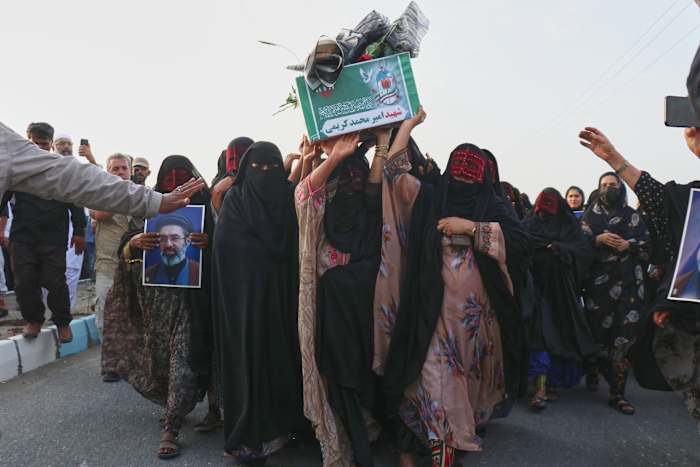
Families in Kuhestak buried their dead beneath Iranian flags while international observers demanded transparency. When high-tech munitions miss their mark, local lives pay the ultimate price. Dismissing these errors with bureaucratic investigations doesn't bring back the dead or mend fractured diplomatic trust.
Expanding Frontlines in Gaza and Lebanon
The violence isn't isolated to the Gulf. Israeli operations continue reshaping the map across Gaza and southern Lebanon. The Israeli military recently claimed operational control of the strategic Ali Taher ridge in southern Lebanon, a key high ground featuring Hezbollah underground infrastructure overlooking Nabatiyeh.
Meanwhile, hospital officials in Gaza reported ongoing strikes resulting in multiple civilian casualties, colliding sharply with military claims of targeting active threats near the boundary lines. At the same time, controversial domestic proposals have surfaced inside Israel outlining phased targets for mass Gaza emigration, a plan outright rejected by Palestinians and widely condemned by rights advocates as a potential war crime.
What Happens Next in the Region
You shouldn't expect a diplomatic breakthrough anytime soon. Tehran's willingness to strike Gulf neighbors like Kuwait signals that containment strategies are failing. As long as maritime commerce remains weaponized and retaliatory airstrikes keep missing targets or hitting civilians, the widening circle of destruction will keep spinning. Watch the insurance rates on Gulf shipping and look for emergency diplomatic missions from regional intermediaries to signal whether total regional conflagration is truly next.