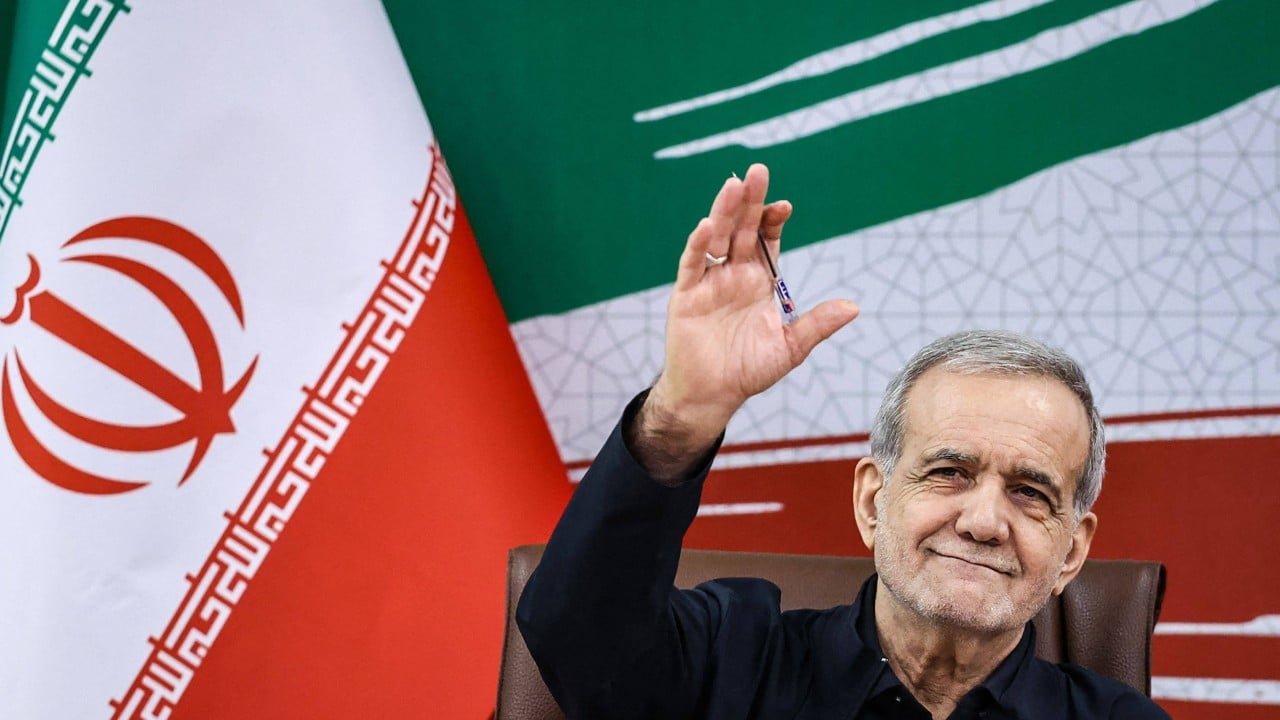
Iranian President Masoud Pezeshkian just dropped a significant hint about the state of the six-month war between Tehran and the United States. He’s calling for an end to hostilities right now. His rationale? Tehran is acting from a position of "power and dignity."
If you’ve followed this conflict, you know that politicians rarely admit they’re looking for an exit unless the situation on the ground dictates it. Pezeshkian’s comments, delivered during a gathering with medical professionals in Tehran, suggest a calculated move. He isn’t talking about surrender. He’s talking about timing.
The logic of ending it now
Why now? Pezeshkian’s argument centers on the idea that Tehran holds the upper hand. He claims the world acknowledges an Iranian "victory" and that the U.S. has lost moral standing due to its military actions against civilian infrastructure.
Honestly, this is classic political framing. When you’re in a stalemate, you don’t ask for peace. You demand an end to conflict while insisting you’ve already won. It keeps domestic support high and preserves the image of the state. It’s a way to pivot toward diplomacy without admitting that the economic strain of the last six months—which includes a naval counter-blockade and limited shipping in the Strait of Hormuz—is becoming unsustainable.
Behind the bravado
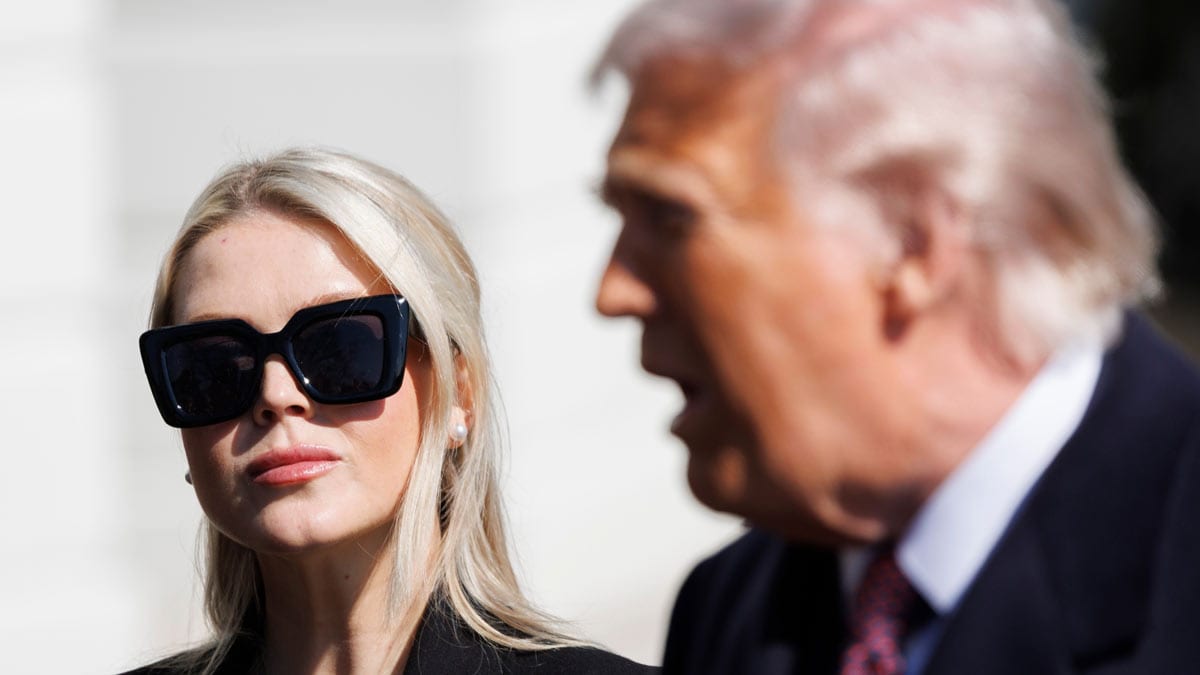
Look past the rhetoric. The U.S. Treasury, led by Scott Bessent, is currently signaling a new, aggressive wave of economic sanctions. They’re calling it an "Economic D-Day." The goal is straightforward: collapse the regime’s financial ability to fight.
Pezeshkian’s push for a ceasefire isn’t happening in a vacuum. It’s a response to this looming pressure. If Tehran waits until the new sanctions fully bite, their "position of strength" evaporates. By pushing for a deal today, they’re trying to lock in current terms before the financial walls close in further.
The view from the outside
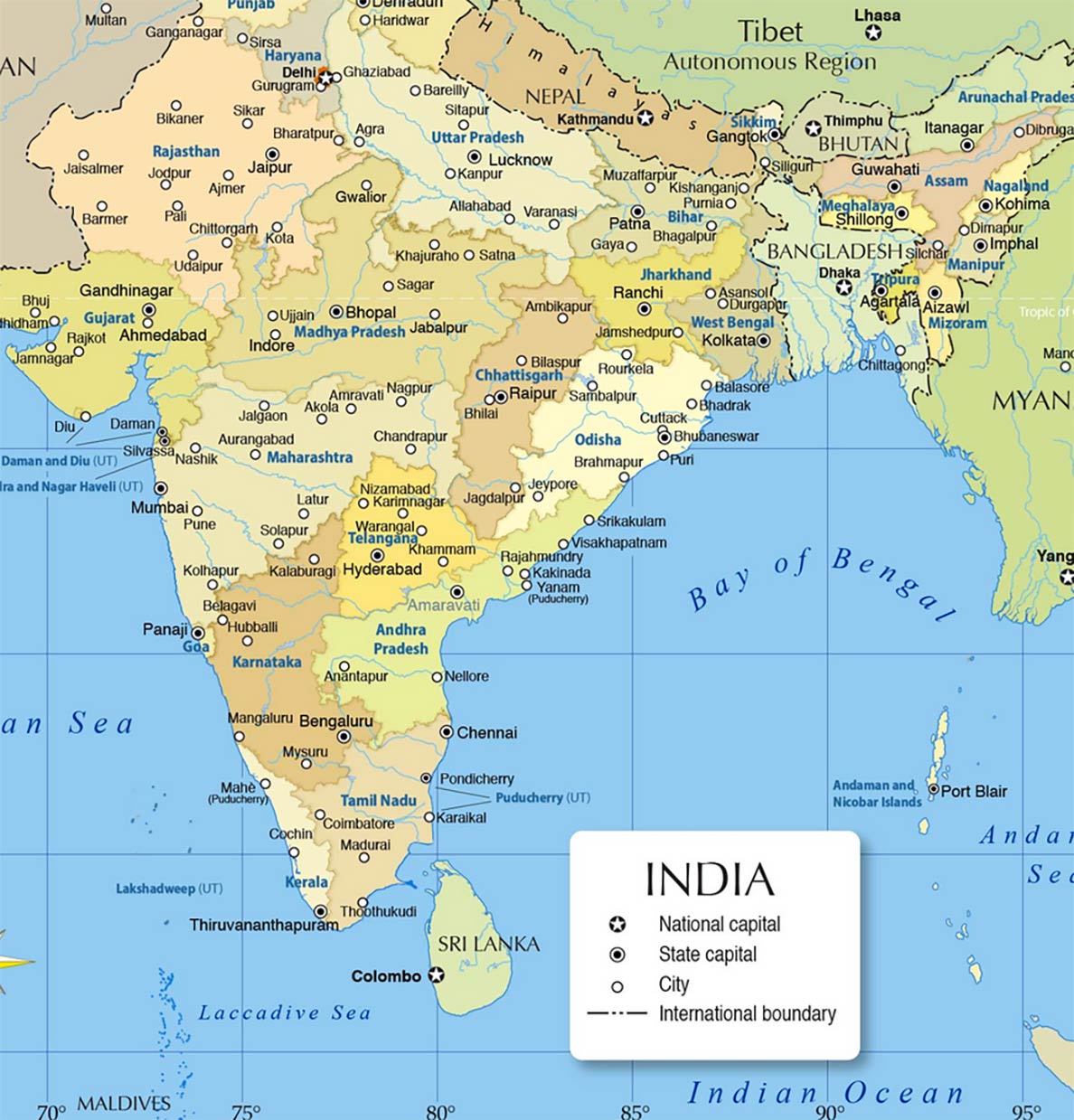
It’s not just Tehran and Washington in this arena. Beijing is watching closely. When U.S. officials pressured other nations to join in isolating Iran, China pushed back. They’ve made it clear that sanctions won’t solve this. With Chinese President Xi Jinping planning a visit to the White House in September, you can bet this conflict will dominate the agenda.
The real test will be whether other Iranian power brokers agree. Pezeshkian is often seen as a pragmatist. Historically, remarks like his only gain real momentum if they align with the views of the Supreme National Security Council and the office of the Supreme Leader.
What to watch for next
Don't expect an overnight resolution. Even if the rhetoric shifts toward peace, keep your eyes on the physical indicators:
- Shipping activity: Are insurance premiums for tankers passing through the Strait of Hormuz stabilizing? That’s the real-time heartbeat of the conflict.
- Back-channel signals: Are there intermediaries—Oman, Qatar, or others—working on a formal pact?
- Sanctions enforcement: Watch how the U.S. actually applies the promised new economic measures. If they pull back, it’s a sign that secret talks are working.
Pezeshkian is betting that he can secure a "dignified" exit before the economic price tag gets too heavy. Whether Washington bites depends on how much they prioritize immediate regime pressure over the stability of global energy markets. For now, the war stays in a stalemate, but the language from Tehran has definitely shifted toward the exit.