International diplomacy usually involves a lot of hidden strategies, but the latest claims coming out of the US-Iran peace talks in Switzerland take things to a whole new level. A media report recently alleged that Donald Trump’s son-in-law Jared Kushner and Special Envoy Steve Witkoff used insider knowledge from these sensitive negotiations to manipulate financial markets, pocketing a staggering $9 billion in the process.
The story, originally published by Drop Site News, claims that Iranian negotiators even sent a private message to US Vice President JD Vance during their late June talks near Lake Lucerne, warning him that the duo cared more about market profits than actually securing a peace deal.
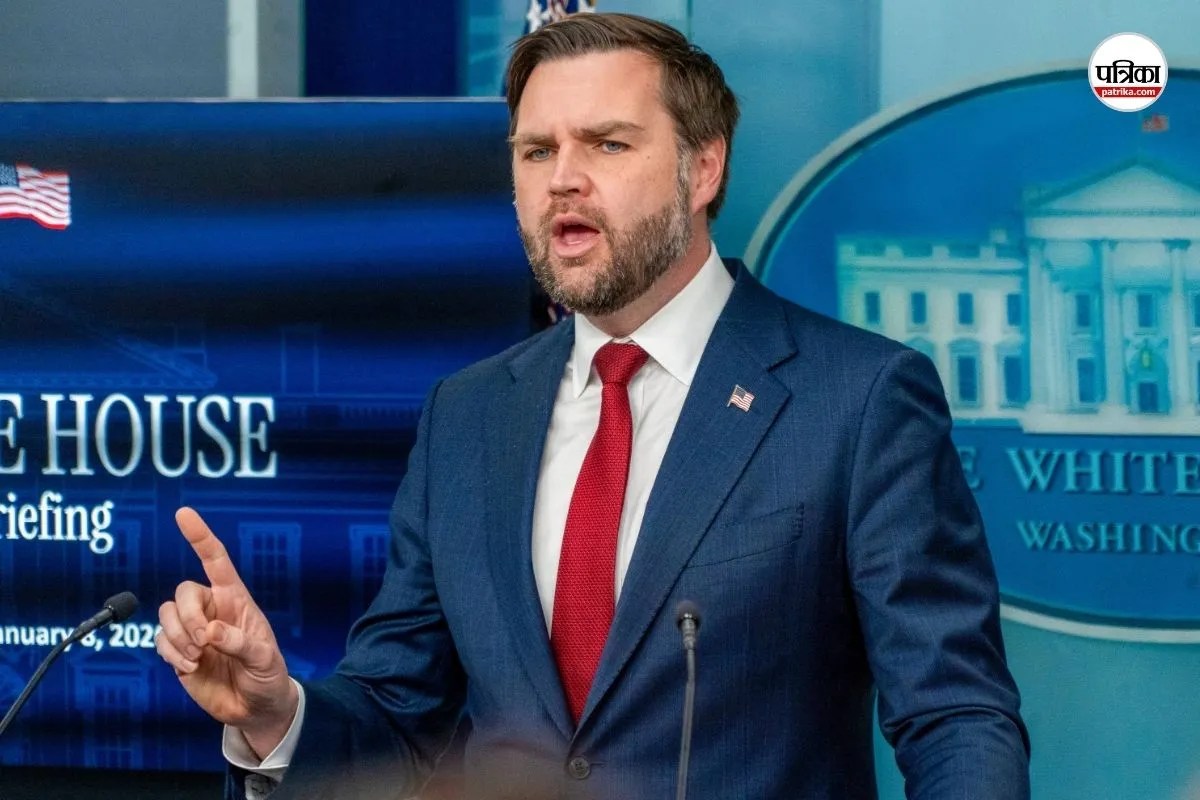
But JD Vance didn't hold back in his response. He completely trashed the report on X, calling the allegations "completely bogus" and the idea of them trading on insider info "absurd." Honestly, when you look at the mechanics of international peace talks and how market regulations work, the Iranian narrative starts to fall apart. Let’s break down exactly what happened and why this controversy says more about geopolitical posturing than actual financial fraud.
The Secret Message That JD Vance Says Never Happened
According to the leaked Iranian account, Tehran's delegation tried to bypass the main White House channels because they believed Kushner was leaking progress updates directly to Israeli Prime Minister Benjamin Netanyahu. They allegedly targeted Vance because they saw him as a more stable, professional figure who had a vested interest in a diplomatic breakthrough to cement his future political standing.
The Iranian official quoted in the report claimed that they explicitly told Vance that Kushner and Witkoff were abusing the framework of the talks. They even claimed to have sent a formal written demand through intermediaries asking for a 50% cut—$4.5 billion—of those alleged market manipulation profits to be handed over to Iran.
Vance didn't just issue a standard, polite diplomatic denial. He went on the offensive.
"This is completely bogus. I never received a message like this," Vance stated openly. He went on to defend Kushner and Witkoff as trusted friends who have done more than almost anyone else to drive regional peace. White House spokesperson Anna Kelly went a step further, calling the report outright propaganda meant to create internal rifts in the American negotiating team.
Why the $9 Billion Market Manipulation Claim is Highly Improbable
When an intelligence source throws around a massive number like $9 billion, it sounds terrifyingly specific. But anyone who understands how modern financial markets operate knows that pulling off a $9 billion insider trading scheme based on diplomatic talks is virtually impossible without triggering every regulatory alarm on earth.
First, consider the liquidity needed to hide that kind of profit. To clear billions in gains from market fluctuations tied to war and peace developments, an entity has to trade tens of billions in options, oil futures, or defense stocks. The US Securities and Exchange Commission (SEC) and the Commodity Futures Trading Commission (CFTC) track large-scale, unusual options activity in real-time. If individuals close to the administration were actively shorting or longing assets right before major diplomatic shifts, those trades would leave an undeniable electronic paper trail.
Second, the Iranian claim that they asked for a $4.5 billion kickback through intermediaries makes the entire narrative sound less like a serious financial investigation and more like a geopolitical shakeup attempt. If an adversary nation uncovers concrete proof of financial crimes by US officials, they don't quietly ask for half the loot—they publish the data to permanently damage the administration’s credibility on the global stage.
Geopolitical Friction Behind the Rumors
To understand why this narrative emerged right now, look at the timeline of the negotiations. The US and Iran have been trying to turn a fragile June 17 framework into a lasting deal. At the same time, military friction remains incredibly high, with recent US strikes hitting targets in the region and Iran firing back at American assets.
Kushner, acting as a private citizen, and Witkoff, serving as a special envoy, bring a highly unconventional, transactional business style to international relations. Iran’s negotiators have openly stated they prefer traditional diplomatic figures. By fabricating or heavily exaggerating claims of financial corruption, Tehran is likely trying to force Trump to alter the lineup of his inner circle or sow deep distrust between Vance and the rest of the administration.
What You Should Keep an Eye on Next
Don't expect this story to fade away immediately, but don't expect any massive financial indictments against the Trump inner circle either. Here is what to watch as this diplomatic drama unfolds:
- The Historical Record: The Iranian officials claimed that the text exchanges during the Switzerland summit will eventually become part of the public historical record. Look for whether any European mediators validate that these specific warnings were ever logged.
- The Teleprompter Divertion: Interestingly, this controversy hit right as the White House confirmed a separate federal insider trading probe involving a long-time teleprompter operator who allegedly used prediction markets. The administration will continue to distance these minor internal policy violations from the massive, unproven allegations against top advisers.
- The Future of the June 17 Framework: If Iran continues to insist that Kushner and Witkoff are toxic to the process, the peace talks in Switzerland might stall entirely, pushing the region back toward active conflict.
Ignore the sensationalized headlines screaming about multi-billion dollar insider trading rings. Treat this situation for what it actually is: a high-stakes, incredibly messy psychological game played in the middle of crucial peace negotiations.