The Strait of Hormuz remains the most critical artery for global energy. Roughly one-fifth of the world’s crude oil passes through this narrow passage. For months, the narrative focused on Tehran’s ability to throttle this flow, effectively holding global energy markets hostage. That narrative is changing. Based on current maritime data and shifting geopolitical maneuvering, it’s becoming clear that Iran is losing its functional control over this vital chokepoint.
If you’ve been following the headlines, you’ve heard the proclamations about sovereignty and blockades. But forget the rhetoric for a moment. Look at what the tankers are actually doing. They are voting with their hulls.
The Shift to the Omani Route
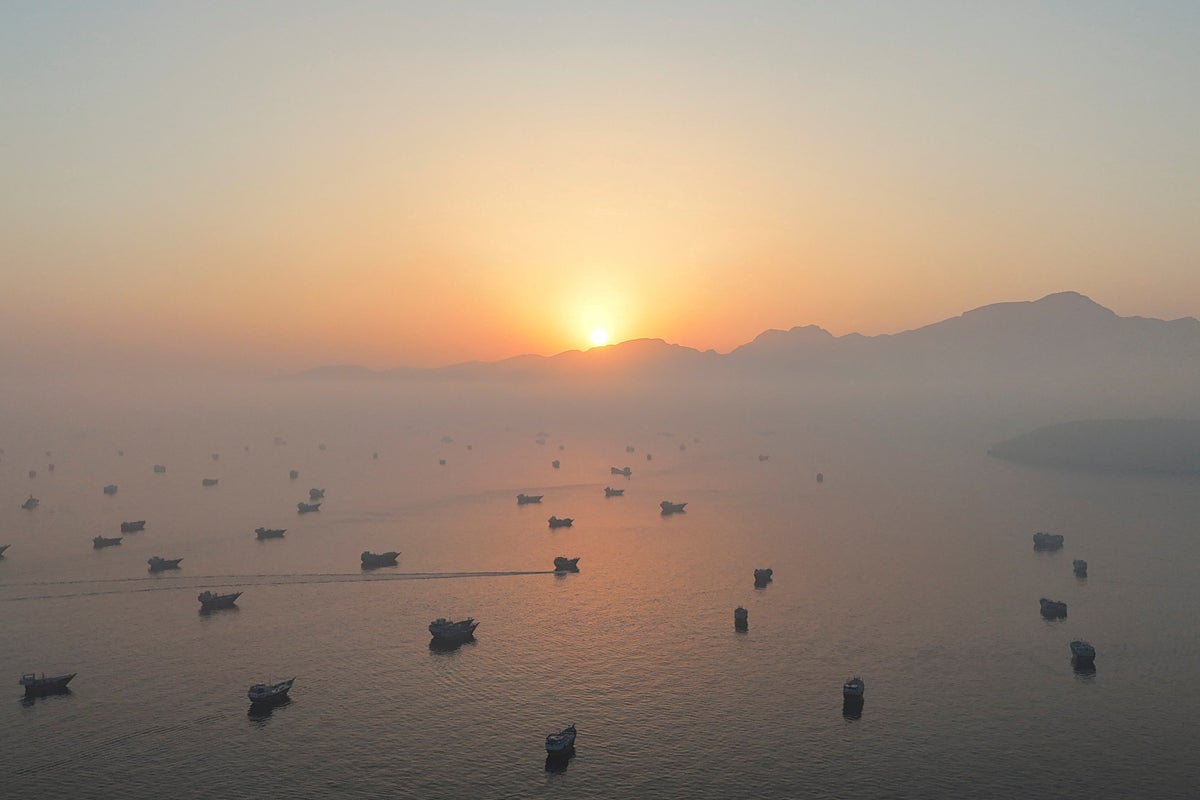
The most significant development isn’t a diplomatic breakthrough. It’s a route change. Historically, ships navigating the strait followed predictable patterns that left them vulnerable to Iranian interdiction. Today, a massive percentage of traffic is utilizing the Omani route. This isn’t a minor adjustment. It’s a deliberate, systematic bypass of the zones where Iran previously exercised dominance.
Why does this matter? It’s simple. When shipping traffic moves away from your influence, you lose your ability to collect tolls, exert pressure, or threaten assets. Iran’s attempt to assert control relied on the inevitability of ships passing through their reach. That inevitability has evaporated.
Most Middle Eastern oil exporters have realized that relying on Tehran's cooperation—or fear—is a losing strategy. By utilizing this alternate channel, they are effectively rendering Iran’s maritime posturing irrelevant. You don't need to defeat a blockade if you stop playing the game by the opponent's rules.
Dark Shipping and the New Reality
You’ll hear a lot about "dark shipping" in industry reports right now. This refers to tankers moving through the region with their transponders disabled. While some might view this as a sign of chaos, it’s actually a sign of adaptation. Oil companies and tanker operators are getting smarter.
They aren't just sailing blindly. They are coordinating with naval protection to ensure their cargo reaches international markets. Even when these vessels go dark, they aren't hidden from the surveillance networks that matter. The United States and its regional partners are maintaining a high level of visibility over the area.
This visibility, coupled with the shift to authorized, safer channels, is why the volume of oil moving out of the Persian Gulf is recovering toward pre-war averages. We are seeing numbers nearing 15 million barrels per day. That’s a massive recovery from the lows we saw earlier in the conflict.
The Financial Impact
Tehran’s economic strategy relied heavily on the ability to extract transit fees or, at the very least, use the threat of disruption to influence global oil prices. That strategy is currently broken. Without traffic flowing through the specific zones they target, those tolls are never collected.
Think about the incentives. If you are an oil producer in Kuwait or the UAE, you don’t want to pay a tax to a regime that is actively threatening your infrastructure. You want your product to hit the market at the highest possible margin. The Omani route provides that. It’s a business decision dressed up as a geopolitical maneuver.
What Traders and Observers Miss
Most analysts focus on the military posturing. They look at mine threats, naval patrols, and inflammatory speeches. Those things make for great headlines. They don't, however, tell you how the market actually functions.
The real story is in the logistics. The moment shipping companies started ignoring Iranian demands, the reality on the ground shifted. When a ship chooses the Omani route, it effectively declares that Tehran’s authority over those waters is null and void.
I’ve watched this play out in various maritime crises before. Once a bottleneck is bypassed successfully, it rarely regains its status as an absolute choke point. Iran had its window of disruption. That window is closing fast because the global energy market is inherently designed to find a way around obstacles.
Moving Forward
If you are looking at the stability of the Strait of Hormuz, stop looking for a formal treaty or a sudden end to hostilities. Instead, watch the shipping data. Look for the percentage of traffic utilizing the Omani route.
If those numbers continue to climb, Iran’s influence over the strait will continue to wane. The market has found its workaround. Once a logistical flow becomes normalized, it becomes permanent. Tehran can continue to claim sovereignty, but in the world of global shipping, control is only as real as the traffic that submits to it.
The status quo has fundamentally shifted. We aren't looking at a temporary lull. We are looking at a permanent realignment of how energy moves from the Gulf to the rest of the world.