You can issue all the warnings you want, but escalation has its own momentum. That reality is playing out brutally across West Asia, where Tehran has launched a coordinated wave of drone and missile strikes against American military infrastructure in Kuwait, Jordan, Bahrain, the United Arab Emirates, and Iraq’s Kurdistan region.
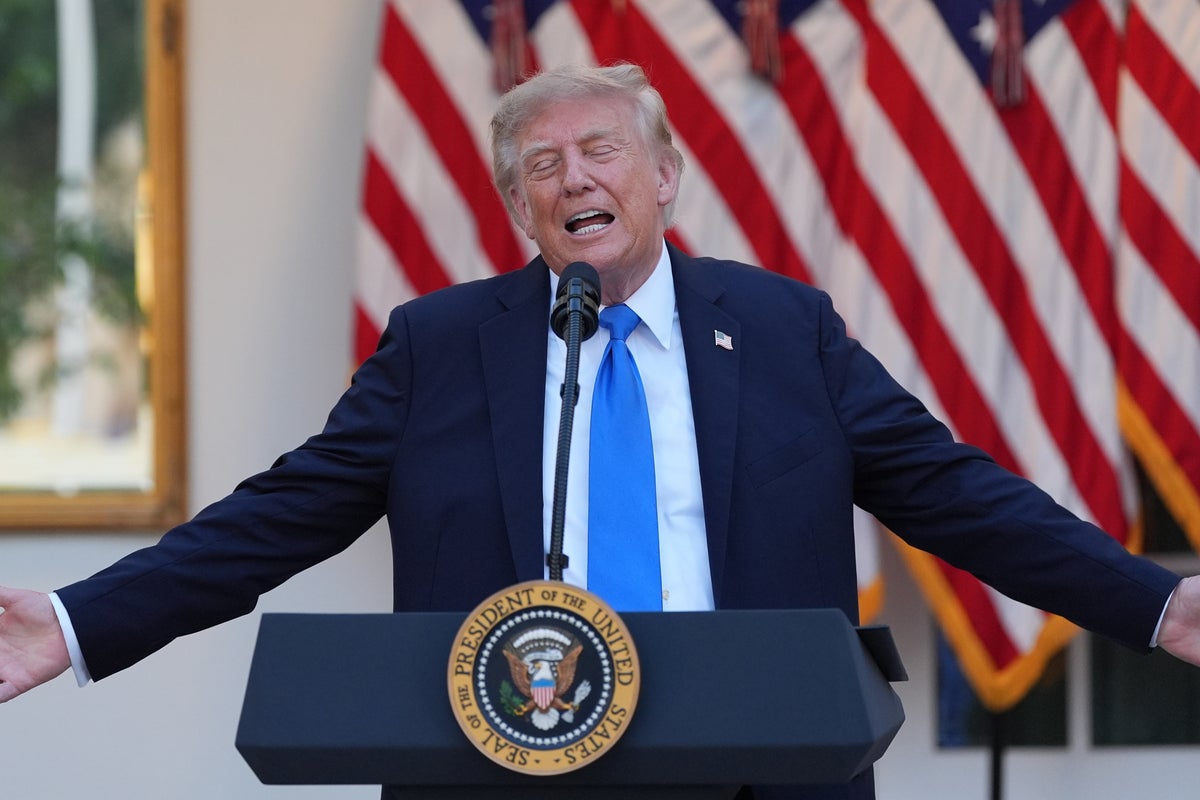
Donald Trump's response has been characteristically loud. The US president declared that American forces are prepared to strike Iran "any time we want", following an intensive bombing campaign that left at least 19 Iranians dead. Yet, those threats haven't stopped the incoming fire. Instead of backing down under Washington's maximum pressure campaign, Tehran's security apparatus has doubled down, claiming they've adopted an entirely new military strategy. Meanwhile, you can explore other stories here: What The Sophie Hynd Drink Drive Case Exposes About Festive Season Road Safety.
The Flashpoint That Broke the Stalemate
Why are these attacks intensifying now? Six months into a grinding conflict that kicked off with the initial US-Israeli strikes on February 28, the war has settled into a dirty stalemate. Iran maintains a tight chokehold on the Strait of Hormuz—the vital shipping lane carrying one-fifth of global oil supplies—while the US pushes a harsh counter-blockade against Iranian ports.
The latest violent cycle didn't happen in a vacuum. It ignited when Washington launched raids aimed at stopping Tehran from laying sea mines in the strait. But the situation spiraled out of control after a US strike hit a wedding celebration in the southern Iranian coastal town of Kuhestak. To understand the complete picture, check out the excellent article by The New York Times.
The Iranian Red Crescent confirmed that shrapnel from that missile blast killed four people, including a child, and wounded more than 50. Videos shared by state media showed devastated courtyard debris and screaming civilians. Naturally, the political fallout was swift. Top Iranian negotiator Mohammad Bagher Ghalibaf took to social media to lash out, branding US actions as those of "Satan".
CENTCOM spokesman Tim Hawkins defended operations by maintaining that the US military never deliberately targets civilians, pointing the finger back at the IRGC. Rhetoric aside, the blood had already been spilled, clearing the path for a massive retaliatory response.
Mapping Out the Retaliation
Tehran's strategy focuses squarely on making American positioning in the region untenable. Kuwait's army confirmed it had to intercept incoming missiles and drones targeting facilities like the Ahmad al-Jaber Air Base. Kuwaiti officials quickly labeled the strikes a direct threat to national security and a severe breach of international law.
At the same time, security chief Mohsen Rezaei warned Washington that Iran's new playbook is designed to shatter American foundations. Energy Secretary Chris Wright countered by promising that expanded US economic sanctions targeting Iran's remaining trade partners would push the maximum pressure doctrine to its absolute limit.
Meanwhile, Trump took to Truth Social to float a bizarre suggestion about the paralyzed shipping route, asking if the Strait of Hormuz should be renamed "Trump Strait" now that it sits under heavy US oversight—though he later walked it back as a joke. Joking about shipping lanes doesn't fix a closed oil corridor or bring back dead civilians.
What Happens When Neither Side Blinks?
Ordinary citizens are paying the ultimate price while leaders exchange insults. On the ground in Iran, people are exhausted. Hossein Moazami, a 50-year-old self-employed resident, put it bluntly to state media: the ongoing hostilities are purely distressing, and the everyday population bears all the suffering while American forces sit safely across the world.
With the US administration signaling that attacks might intensify further down the road and Israeli defense officials warning of potential heavy responses during upcoming regional holidays, peace remains a distant illusion. Threats have lost their deterrent value. Until both sides find an off-ramp from this cycle of retaliation, the region will stay trapped in the crossfire.