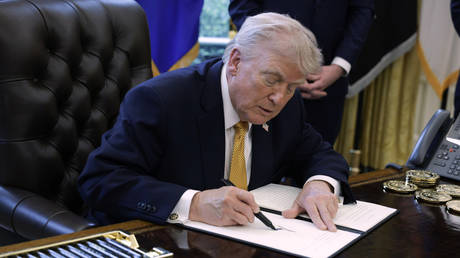
The propaganda machine is spinning into overdrive. US President Donald Trump recently took to social media to claim he called off a massive military strike against Tehran because Iranian leaders and regional states begged him to hold off. He insisted a grand bargain was right around the corner, featuring the total opening of the Strait of Hormuz and a complete halt to Iran's nuclear program.
Iran's state-backed media didn't wait a single day to call BS.
Mehr News Agency, citing high-ranking military officials, wasted no time labeling the claim "nothing but a new lie." Instead of playing the role of a desperate petitioner pleading for mercy, Tehran's armed forces immediately announced they are on absolute high alert and ready for any eventuality. Fars News Agency piled on, making it clear that as long as Washington maintains its hostile posture, the vital shipping lane stays completely shut down.
So, what is actually happening behind the scenes in West Asia?
The Battle Over the Strait of Hormuz
Let's look at the facts. Since the current conflict kicked off, Iran has effectively throttled the Strait of Hormuz. International vessels aren't just cruising through freely anymore. If you want to move oil or cargo through this critical global artery right now, you need permission from Iran's Revolutionary Guards, and yes, you pay transit fees.
Trump wants the world to believe he paused the bombs because a comprehensive deal was inked. But Iranian negotiators are flatly rejecting that narrative. They point out that no such agreement has been finalized.
"As long as the United States maintains its hostile actions, the Strait of Hormuz will remain closed." — Fars News Agency source
💡 You might also like: this post
High-Stakes Diplomacy Versus Bluffing
Regional diplomacy is running hot behind closed doors. Saudi Crown Prince Mohammed bin Salman and other mediators from Turkey and Pakistan have been frantically working phone lines to prevent a total military meltdown. Riyadh is terrified that a renewed American bombing campaign will result in immediate Iranian retaliation splashing over Gulf energy infrastructure.
Yet, Trump's public statements seem tailored more for domestic political consumption than actual diplomatic reality. By claiming Tehran begged him to hold off, he frames himself as the benevolent commander holding all the cards. Iranian officials are firing back, calling these claims a crude attempt to bully Gulf state rulers and save face after backing away from an imminent escalation.
Iran's acting Defense Minister, Majid Ebn Al-Reza, made it crystal clear that Tehran treats every external threat as a real and credible danger. They aren't sitting back, and they aren't caught off guard.
What Comes Next
The reality on the ground remains volatile. US embassies across the Middle East are already telling citizens to prepare for sudden airspace closures and flight cancellations. Trump claims talks will kick off to finalize a deal, but Tehran's public posture shows zero appetite for capitulation under threat.
If Washington actually wants the Strait of Hormuz open, it's going to take hard, quiet diplomacy—not social media chest-beating that gets instantly debunked by state media on the ground. Until then, the shipping lane remains locked down, and both sides are glaring at each other across a hair-trigger military divide.