A mail carrier picking up stray cats on her daily route sounds like the start of a feel-good Disney movie. The reality in Stuart, Florida, turned out to be a nightmare.
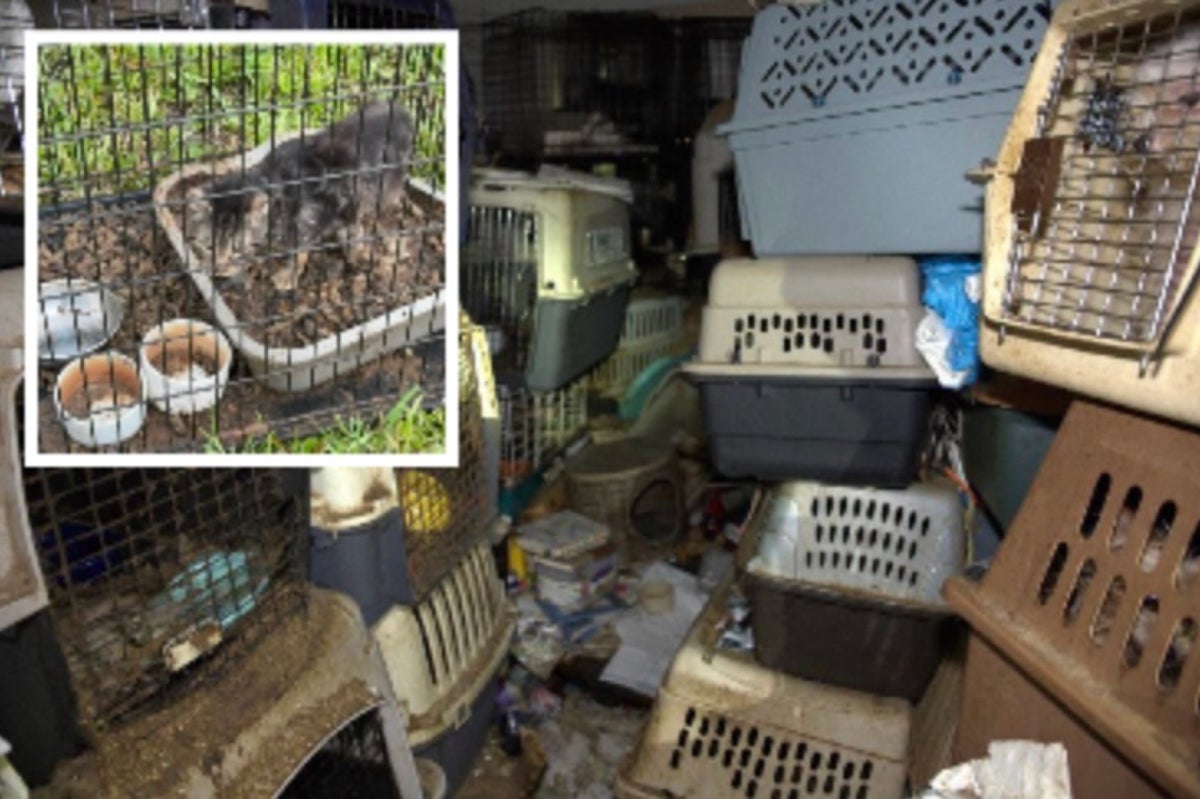
When Martin County deputies and animal control officers stepped up to the home of 77-year-old Gail Giustino in July 2026, they were greeted by heat topping 110 degrees, zero working air conditioning, and an overwhelming stench that made immediate entry impossible without hazmat suits and fire rescue ventilation. Inside, officials discovered 80 cats and 12 dogs living in cramped cages surrounded by up to a foot of animal waste.
Giustino had spent months, possibly years, grabbing feral cats along her USPS mail delivery route and bringing them home. She believed she was rescuing them. Instead, she trapped them in what Sheriff John Budensiek candidly called an "animal jail".
This story blew up across national headlines, but it isn't just another weird "Florida Man" style viral headline. It highlights a tragic blend of severe animal hoarding, mental health breakdown, and systemic failure.
What Actually Happened Inside the Foxwood Community House
Rumors had circulated for weeks about a local postal worker collecting cats off the street. Animal control tried inspecting the property multiple times, but Giustino refused to let anyone past her front door. That uncooperative stance forced deputies to secure a formal search warrant.
When officers cracked the front door open, the conditions inside shocked even seasoned rescue workers.
- No air conditioning or ventilation: In the brutal Florida summer heat, interior temperatures soared past 110 degrees Fahrenheit.
- Extreme waste buildup: Multiple rooms had floors covered in feces up to 12 inches deep.
- Severe overcrowding: Authorities removed 80 cats and 12 dogs from wire crates and cages stacked throughout the living space.
- Physical neglect: Most cats suffered from extreme dehydration and severe fur loss caused by stress-induced over-grooming. The dogs suffered from rampant dental disease, and three were immediately quarantined with kennel cough.
First responders worked past midnight alongside staff from the Humane Society of the Treasure Coast in Hobe Sound to extract every single animal safely. Miraculously, zero animals were found dead during the initial sweep.
Rescue Mission vs Intentional Cruelty
It is easy to get angry when you hear about 92 animals living in filthy heat. But law enforcement took an unusually empathetic stance toward the perpetrator.
Sheriff John Budensiek made it clear during his press conference that his department was not looking to demonize an elderly woman.
"Do we want to arrest a 77-year-old lady? The answer is absolutely not," Budensiek said. "WeActionably believe that Gail thinks she's doing the right thing, but she's doing the wrong thing... The goal of arresting her was to be able to seize the animals to save them."
Giustino was charged with two misdemeanors: animal cruelty and confinement of animals without sufficient exercise.
Honestly, this distinction matters. Giustino was not running a dogfighting ring or starving pets out of malice. She was trapped in the complex psychological disorder known as animal hoarding.
The Psychological Breakdown Behind Animal Hoarding
Psychologists classify animal hoarding as a mental health condition closely tied to obsessive-compulsive disorder, severe depression, or trauma.
Hoarders suffer from a deep cognitive dissonance. They see themselves as protectors, savior figures who are the only ones capable of loving these stray animals. Even when an animal is visibly suffering, dying, or living in filthy feces, the hoarder’s mind reframes the situation: "At least they're safe with me."
This wasn't Giustino’s first run-in with Martin County authorities. Over a decade ago, code enforcement and animal control issued her roughly 65 civil citations for illegal animal confinement. They helped her clean up her living conditions back then. But without long-term psychiatric treatment and continuous monitoring, animal hoarding has an insanely high relapse rate—close to 100 percent.
She kept working her mail delivery route every single day while her house slowly transformed into an uninhabitable furnace.
How Feral Cat Populations Drive Desperate Actions
There is another side to this story that animal lovers know all too well: Florida's explosive feral cat population.
Subtropical climates like Florida allow stray cats to breed year-round. A single pair of unneutered cats and their offspring can produce thousands of kittens over a few short years. Postal workers see this crisis firsthand every day. They drive slowly through neighborhoods, alleyways, and rural roads, noticing starving kittens and sick strays that everyone else ignores.
Giustino saw strays daily while delivering mail. Lacking the tools or knowledge for proper Trap-Neuter-Vaccinate-Return (TNVR) practices, she simply scooped them up, put them in her vehicle, and brought them home.
Good intentions without proper resources almost always lead to disaster.
How to Help the Animals Right Now
The Humane Society of the Treasure Coast took in all 92 animals from the raid. Their team of veterinarians worked around the clock to clean, vaccinate, microchip, and evaluate every single cat and dog.
Because this is an active police investigation, these pets are not open for immediate adoption or public fostering. However, local shelters taking on massive unexpected seizures like this face an immediate strain on supplies and funding.
Here is how you can actually help in situations like this:
- Donate essential supplies directly: Shelters handling hoarding rescues urgently need wet cat food, clean towels, blankets, and puppy pads.
- Support medical funds: Treating 80 dehydrated, flea-infested cats for respiratory infections and parasites costs thousands of dollars in veterinary bills. Direct monetary donations to the shelter’s emergency care fund make the biggest immediate impact.
- File lost pet reports: If you live in Martin County and think a lost outdoor pet might have been scooped up along a postal route, contact the sheriff's office or local shelter with details and microchip numbers.
What You Should Do If You Suspect Local Animal Hoarding
Animal hoarding rarely happens in complete secret. Neighbors usually notice subtle warning signs long before law enforcement gets involved.
If you suspect someone in your community is overwhelmed by stray animals, taking early action can prevent a tragedy like the one in Stuart.
- Look for warning signs: Strong ammonia odors from outside the home, windows covered in flies, extreme noise from barking or fighting animals, or a neighbor constantly carrying animal crates inside.
- Avoid aggressive confrontation: Hoarders act out of severe anxiety and emotional attachment. Direct confrontation usually causes them to hide the animals or refuse all contact.
- Contact animal control early: Don't wait until the situation is unbearable. Ask animal control for a wellness check, emphasizing your concern for both the animals and the resident.
- Promote community TNVR programs: If you have stray cats on your street, work with local rescue organizations to trap, neuter, and return them rather than trying to house them yourself.
Report red flags immediately to your local animal welfare agency or non-emergency sheriff's line. Early intervention saves lives—both human and animal.