Real estate deals between friends rarely end well, but few disintegrate as publicly or as messily as the multi-million dollar war over San Antonio's River Walk property. Attorney Martin Phipps and his upscale rooftop bar, Paramour, have finally agreed to surrender their spaces at 102 Ninth St., bringing a temporary ceasefire to years of bitter litigation, repeated lockouts, and a damaging fraud verdict.
If you've been following local headlines in Texas, you know this wasn't just a standard commercial landlord-tenant spat. It's a textbook warning about what happens when complex financing, personal friendships, and high-stakes real estate collide.
How an $11 Million Sale Sparked a Years-Long Legal War
The core of the conflict dates back to late 2022. Phipps' company, Emet LLC, agreed to sell the prominent downtown building to CDC Enterprises LP for $11 million. CDC is associated with Daren Connel, someone Phipps previously considered a longtime friend.
The transaction was supposed to be a straightforward asset transfer. Instead, it unraveled almost immediately over a disputed $2.75 million arrangement involving purchase price adjustments, prepaid rent credits, and commercial lease obligations.
Soon, the friendly handshake turned into a courtroom brawl. CDC claimed that Phipps and his entities failed to pay rent for the spaces they continued to occupy, including Phipps' law firm and the popular Paramour rooftop cocktail bar operated under Holy Spirits LLC. Phipps countered that CDC owed money under the sale terms, accusing the landlord of breach of contract and improper financial maneuvers.
The $1.2 Million Fraud Verdict and Judicial Blows
The legal pressure mounted steadily through 2024 and 2025. Landlord-tenant disputes often move slowly, but this one featured aggressive tactics from both sides. CDC carried out multiple lockouts, some of which judges later ruled unlawful due to improper notice requirements.
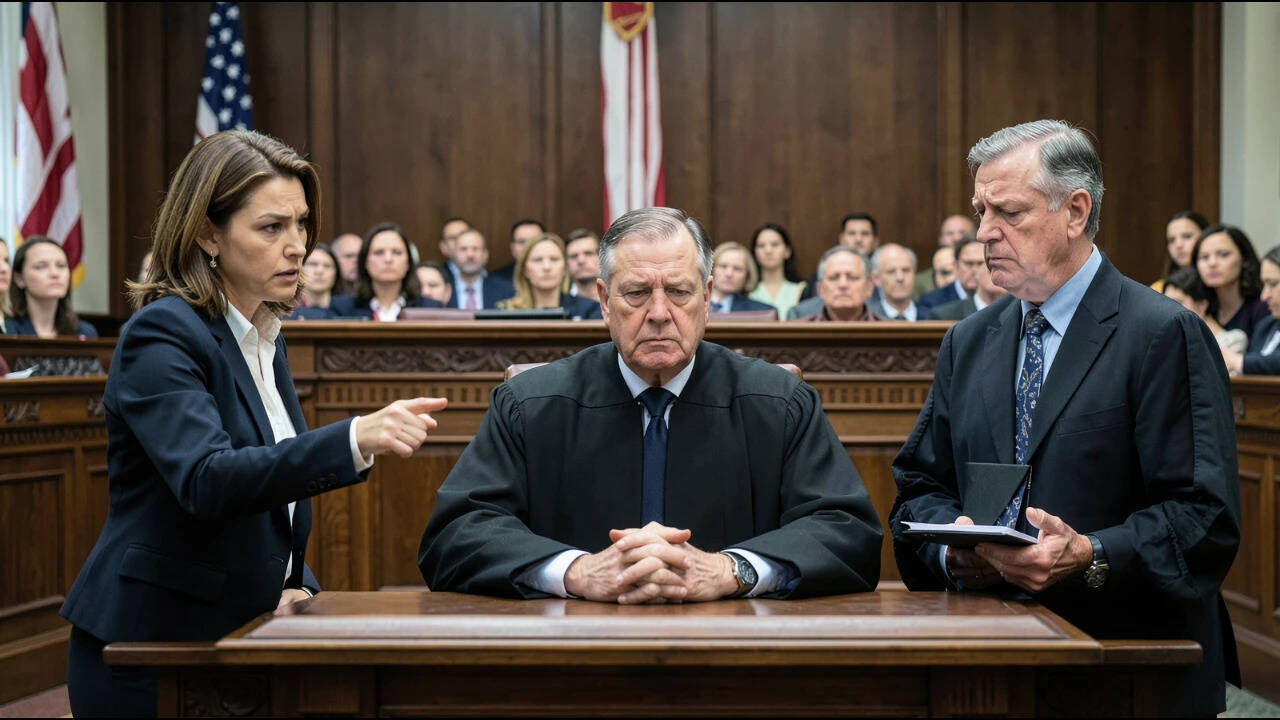
However, the courtroom momentum shifted decisively against Phipps in late October 2025. A San Antonio jury delivered a verdict finding that Phipps and his companies had committed fraud against CDC. The jury awarded CDC more than $1.2 million in damages and attorneys' fees.
To make matters worse for the defense, the jury threw out all 16 countersuits brought by Phipps, Emet LLC, and Holy Spirits LLC, awarding them zero dollars despite their claims for millions in lost rental income and building expenses. Prior to that verdict, State District Judge Angelica Jimenez ruled firmly on ownership, establishing that CDC held superior title to the property over Emet LLC.
What the Eviction Agreements Mean Right Now
With a $1.2 million fraud judgment hanging over them and yet another eviction trial looming in October 2026, Phipps and his companies finally ran out of legal road. The parties signed agreements requiring both the law firm and Paramour to surrender their spaces, giving the tenants a limited window to clear out their belongings.
It's important to understand what this settlement does and doesn't do. It resolves the immediate physical possession and eviction proceedings on the River Walk, allowing CDC undisputed control of the premises. But it doesn't automatically erase the underlying financial liabilities, nor does it wipe away the massive jury verdict. Property records continue to show CDC as the legal owner, though Emet LLC retains a narrow contractual option to buy back the building under specific terms heading toward late 2027.
Lessons From the San Antonio Property Collapse
Commercial real estate transactions require crystal-clear contracts, independent legal counsel, and zero reliance on personal goodwill. When millions of dollars and multi-tenant commercial properties are on the line, verbal understandings or complicated side agreements regarding rent credits will almost always fracture under financial pressure.
If you're structuring a major asset purchase or leaseback arrangement, ensure every single dollar of prepaid rent, maintenance fees, and financing terms is explicitly spelled out in writing before closing. Once trust breaks down in a high-value property deal, recovering from the resulting litigation costs far more than doing it right the first time.