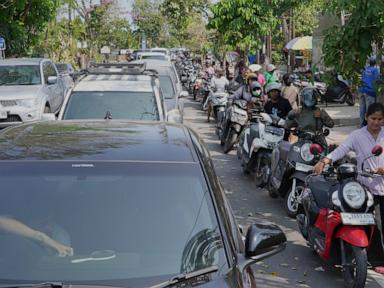
Motorists across Indonesia's resort island of Bali spent hours waiting in scorching heat this week. Long lines of scooters, trucks, and cars snaked away from petrol stations in Denpasar, Badung, and Ubud, spilling onto narrow roads and creating massive traffic jams. If you've ever tried navigating Bali's roads on a sputtering scooter running on fumes, you know how quickly a simple errand turns into a nightmare.
The recent fuel crisis caught residents and tourists completely off guard. Pump stations ran dry, security personnel and police officers were deployed to manage frustrated crowds, and panic buying exacerbated an already fragile distribution network.
What Caused the Bali Fuel Shortage
State-owned energy company Pertamina faced significant distribution hiccups. A marine tanker encountered trouble discharging its cargo, leading to immediate delivery delays to local storage depots. At the same time, heavy road congestion slowed down tanker trucks trying to reach high-demand tourist zones.
When word spread that some pumps were empty, panic buying kicked into overdrive. Motorists rushed to top off their tanks, draining remaining supplies in hours. High demand for Pertalite—the government-subsidized, budget-friendly gasoline—drove the frenzy. Drivers naturally gravitated toward the cheaper option compared to non-subsidized alternatives like Pertamax.
The Reality on the Ground for Locals and Travelers
Hotel workers, digital nomads, and local delivery drivers bore the brunt of the chaos. Some people waited up to five hours just to secure a few liters of fuel for their motorbikes. Others hopped from one station to the next, only to be turned away or redirected across the island.
Smaller independent vendors and roadside bottle petrol sellers also ran out of stock. For an island heavily dependent on two-wheeled transport to navigate tight streets and bypass permanent gridlock, a sudden lack of fuel paralyzes daily life.
Emergency Measures and How Officials Responded
Local authorities scrambled to restore order. Bali Governor I Wayan Koster stepped in alongside Pertamina President Director Simon Aloysius Mantiri to address the public.
Officials confirmed the arrival of massive fuel shipments. A tanker carrying over 21 million liters of gasoline—including roughly 19.2 million liters of Pertalite and 2.5 million liters of Pertamax—reached terminals in Manggis, Karangasem, and Pesanggaran.
To clear the backlog, authorities rolled out several emergency protocols:
- Gas stations in heavy tourist areas like Denpasar and Badung shifted to 24-hour operations.
- Fuel deliveries from regional depots were increased around the clock.
- Security forces helped regulate vehicle flow and ease queue-related road rage.
Governor Koster urged everyone to stop panic buying, stressing that incoming supplies cover roughly a week's worth of normal island consumption. President Prabowo Subianto's administration has kept subsidized pump prices fixed to protect household budgets despite rising global supply chain pressures.
Keep an eye on local updates if you're currently riding through Bali. Stations are restocking, but expect lingering congestion as normal routines resume.