When an international pact that survived multiple active wars suddenly gets thrown into limbo, people start paying attention. Pakistan is currently sounding alarms because New Delhi keeps the Indus Waters Treaty in abeyance.
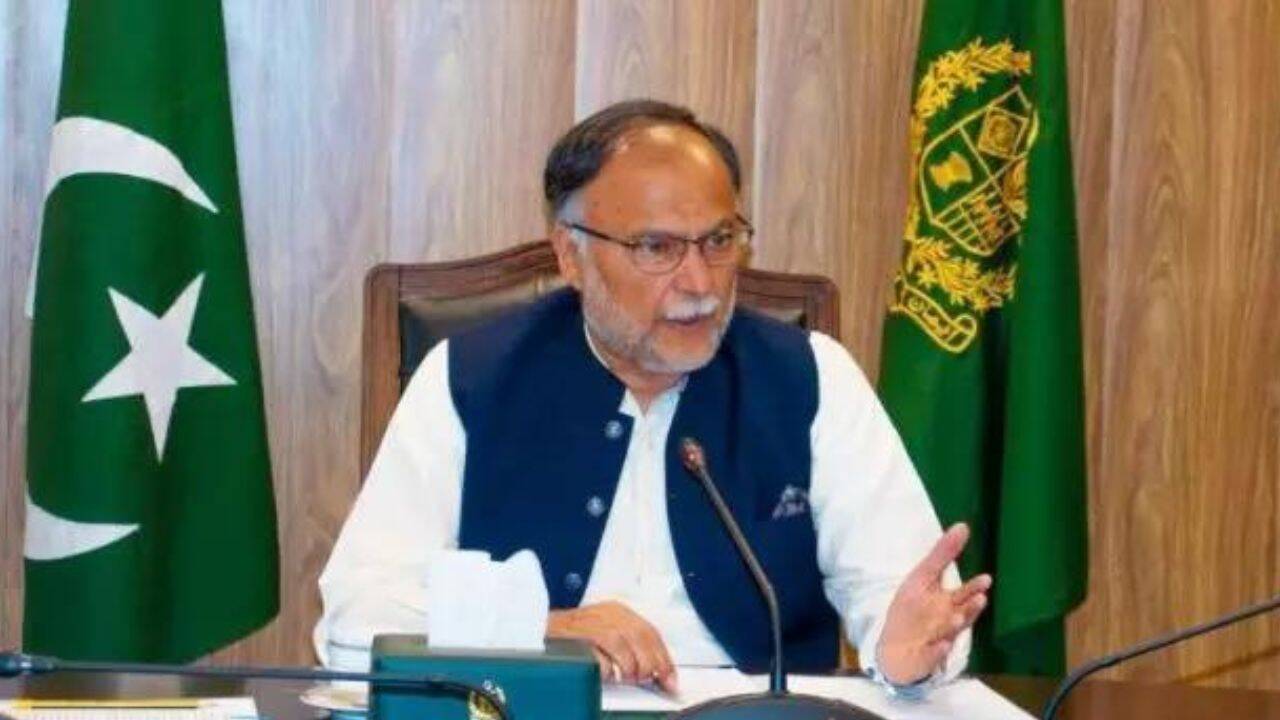
Ahsan Iqbal, a senior Pakistani minister, recently voiced deep anxiety at the Asia Society. He warned that India now holds the power to treat shared river systems as a geopolitical tool. Islamabad fears that water supplies could be choked off when crops need irrigation or unleashed to cause sudden downstream flooding. Don't forget to check out our recent post on this related article.
The stakes couldn't be higher. We are talking about the survival and food security of roughly 250 million people.
How a Decades-Old Water Pact Broke Down
For nearly seventy years, the Indus Waters Treaty signed back in 1960 stood firm. Mediated by the World Bank, it carved up six major rivers between the two nuclear-armed neighbors. India received control of the three eastern rivers, while Pakistan got the lions share of the western rivers: the Indus, Jhelum, and Chenab. To read more about the context here, Al Jazeera provides an excellent summary.
Through every military conflict and diplomatic freeze in the past, that agreement remained untouched. Governments changed, but the water kept flowing according to set rules.
That era ended following the April 2025 terror attack in Pahalgam. Citing persistent cross-border militancy, New Delhi suspended the treaty indefinitely. India's position remains straightforward: normal river diplomacy cannot resume until Pakistan permanently halts its support for militant networks.
Realities on the Ground
Islamabad calls this suspension an existential threat and an unprecedented weaponization of natural resources. Prime Minister Shehbaz Sharif previously declared every drop of Pakistan's water a red line, promising direct retaliation if supplies are choked.
The anxiety isn't just political posturing. Parts of Pakistan, particularly agricultural hubs around major barrages in Sindh and Balochistan, already face severe seasonal stress and irrigation challenges. Without the institutional safety nets and mandatory data sharing built into the old treaty framework, local officials worry about unpredictable surges or sudden scarcity.
On the other side, Indian authorities maintain they are under no obligation to share advance flood data or coordinate technical operations like silt flushing on structures such as the Baglihar dam while the suspension holds.
What Comes Next for South Asian Diplomacy
Minister Iqbal urged leaders in the region to pivot toward pressing domestic crises like poverty, illiteracy, and youth employment instead of marching toward a resource conflict. Yet, finding a diplomatic off-ramp looks nearly impossible right now.
India demands verifiable counter-terrorism actions before returning to the negotiating table. Pakistan refuses to back down on what it views as a direct threat to its national survival.
As long as the treaty stays frozen, both nations drift further into uncharted waters.