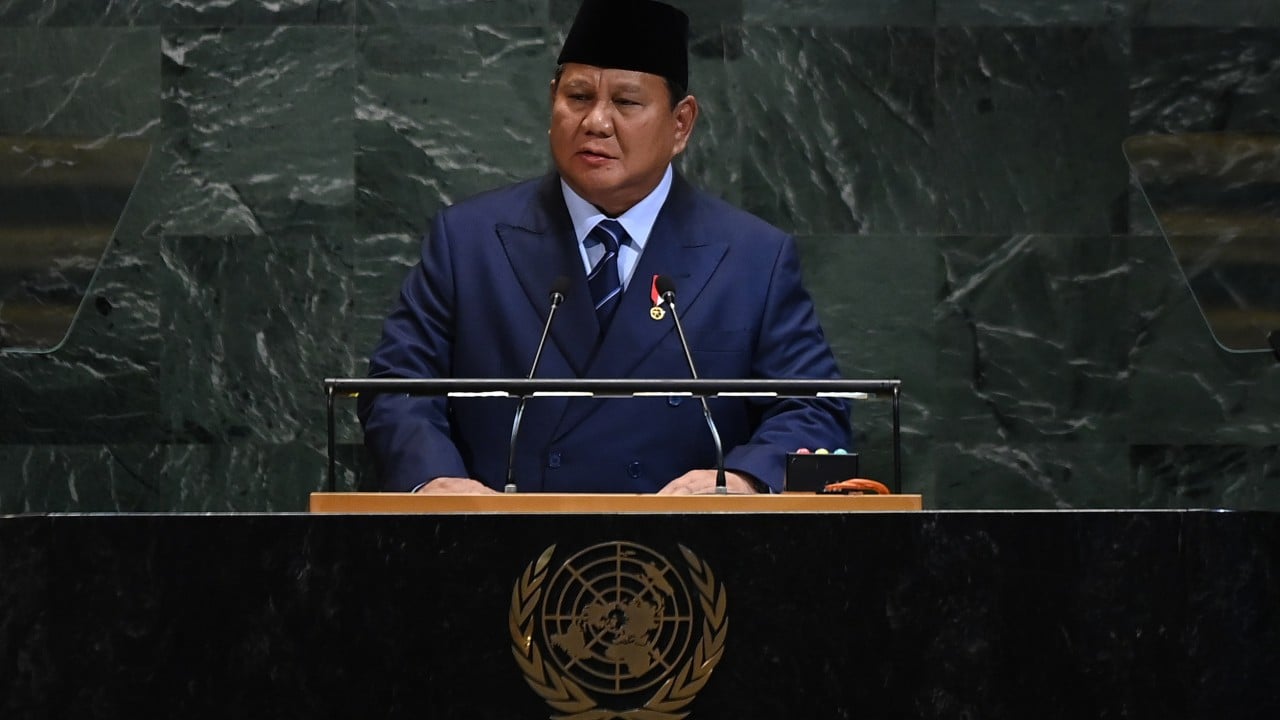
Jakarta wants back on the global stage. Indonesia is pressing hard for a non-permanent seat on the United Nations Security Council for the 2029 to 2030 term. It sounds like standard diplomatic maneuvering. But look closer. This campaign is a stress test for Indonesia's core foreign policy doctrine of being "free and active".
The world is splitting down the middle. Washington and Beijing are locked in a grinding strategic contest. Moscow and Western capitals are at open war over the architecture of international security. In the middle of this mess sits Jakarta, trying to convince everyone that it can stay truly non-aligned while sitting at the world's most powerful crisis table.
You need to understand what's driving this bid. Indonesia isn't just looking for a shiny title. Foreign Minister Sugiono and his team are framing this as a mission to represent the Global South. The pitch is straightforward. The current UN architecture was built in 1945. It reflects a world that no longer exists. The permanent five members hold absolute veto power, and they've used it to paralyze the council on almost every major flashpoint, from Gaza to Ukraine.
Indonesia wants to play the bridge-builder. They have done it before. Jakarta served four previous non-permanent terms, most recently between 2019 and 2021. During those stints, Indonesian diplomats earned a reputation for lowering the temperature when big powers started shouting at each other. They lean heavily on their historical credentials, dating back to the 1955 Bandung Conference that birthed the Non-Aligned Movement.
Yet, the diplomatic reality in 2026 is infinitely more brutal than it was during past bids.
The Trap of Great Power Competition
Neutrality is easy to talk about in a speech. It is exhausting to practice when superpowers demand loyalty.
When you refuse to pick a side, both sides get suspicious. Washington watches Jakarta ink trade deals and defense chats with Beijing. Beijing watches Jakarta host joint military exercises or maintain warm economic ties with Western partners. If Indonesia wins a Security Council seat for 2029, those balancing acts will play out under a magnifying glass.
Every vote on a resolution will turn into a loyalty test. If a crisis erupts in the South China Sea or across the Taiwan Strait, Jakarta won't be able to issue a polite, neutral statement and walk away. The Security Council demands binary choices. Yes, no, or abstention. Frequent abstentions make a country look weak. Taking a hard stance alienates vital economic partners.
This is where the non-aligned tightrope gets razor-thin. Indonesia's economy relies heavily on Chinese investment and infrastructure cash. At the same time, Jakarta needs open maritime trade routes guaranteed by a rules-based order that Beijing frequently challenges. Walking that line inside the UN's inner sanctum will test the limits of Indonesia's diplomatic agility.
Carrying the Weight of the Global South
Jakarta's strategy relies on being the voice for developing nations. It is a smart play. The Global South is furious with Western double standards on international law and tired of being ignored while security councils lock down aid and attention for European or Middle Eastern conflicts.
Indonesia has the demographic weight to make this claim stick. As the world's fourth-most-populous nation and the largest Muslim-majority democracy, it carries real moral authority. Senior officials have been touring the globe—from African Union summits to Caribbean partnership meetings—locking in early commitments.
Talk is cheap in Turtle Bay. Other regional heavyweights are also eyeing influence. Securing a seat requires a two-thirds majority in the General Assembly, meaning Jakarta has to out-maneuver competing regional bids and convince skeptical smaller states that Indonesia will actually advocate for their local interests, not just use the seat to boost its own national prestige.
What Happens Next
The campaign is officially underway, but the real test won't happen until the ballots are cast in 2028. Between now and then, Indonesian diplomacy faces a punishing checklist.
First, Jakarta must maintain pristine domestic stability while navigating regional flashpoints like Myanmar's civil war, where its quiet mediation has already faced massive hurdles. Second, it has to prove to Washington and Beijing that its non-alignment is functional, not hostile.
If Indonesia pulls this off, it secures a powerful megaphone to demand actual UN reform. If it stumbles, it risks getting crushed between the geopolitical ambitions of superpowers who view international law as optional.
Keep your eyes on New York. The battle for the soul of multilateralism is just getting started.