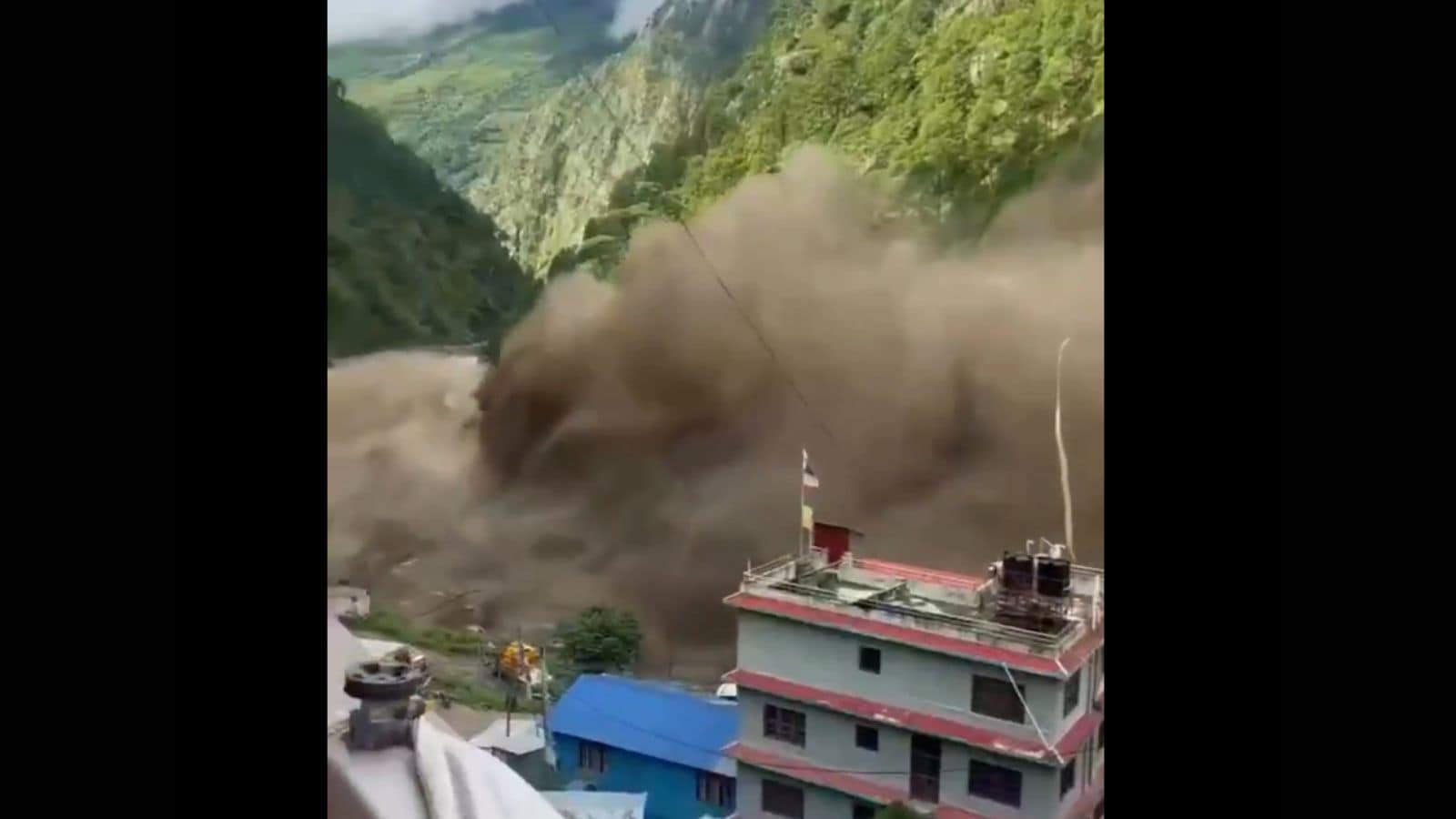
Flash floods tore through northern Nepal, washing away bridges, cutting off mountain roads, and triggering an immediate cross-border emergency response. When disaster strikes in the Himalayas, geography dictates that minutes matter.
Indian Prime Minister Narendra Modi reached out directly to Nepalese Prime Minister Balendra Shah to offer full humanitarian backing. Behind the diplomatic phone calls, logistics teams in New Delhi moved fast. Government sources confirm that India is preparing roughly 30 tonnes of critical relief material to airlift into the disaster zones.
Inside the Humanitarian Response and Relief Pipeline
The scale of the destruction caught many off guard. Sudden surges along rivers like the Bhote Koshi wreaked havoc across regions like Rasuwa, destroying infrastructure and trapping travelers. Reports indicate that numerous bridges collapsed, dozens of kilometers of vital roadways vanished, and multiple hydropower installations suffered severe structural damage.
India’s rapid dispatch of around 30 tonnes of supplies isn't just about sending aid. It is about logistics under pressure. An Indian Air Force transport aircraft was scheduled to fly out supplies, carrying emergency food, clean water equipment, medical kits, and shelter material.
Coordination on the ground is messy. Indian agencies are working hand-in-hand with local Nepalese authorities to trace missing persons. Among those missing are over a hundred Indian nationals, many of whom were traveling through the region or undertaking pilgrimages. Local rescue teams face blocked routes and unstable terrain, making ground movement nearly impossible in several sectors.
The Regional Spillover Effect
Disasters in the high mountains rarely stay local. Rivers originating in Nepal feed directly into major river systems across northern India, particularly flowing through Bihar and Uttar Pradesh.
State authorities in Bihar and Uttar Pradesh went on high alert immediately following the cloudbursts and flash floods. Water levels in trans-boundary rivers like the Kosi and the Gandak (known locally as the Narayani) are being monitored hour by hour. Embankments are watched closely to prevent sudden downstream flooding in densely populated districts.
Diplomatic talks between Modi and Shah focused heavily on this joint vulnerability. While Nepal looks to both India and international organizations for heavy rescue assets and rehabilitation support, India's immediate priority remains stabilizing the humanitarian corridor and locating stranded citizens.
Expect further updates as air-dropped supplies touch down and rescue columns push deeper into the blocked Himalayan valleys.