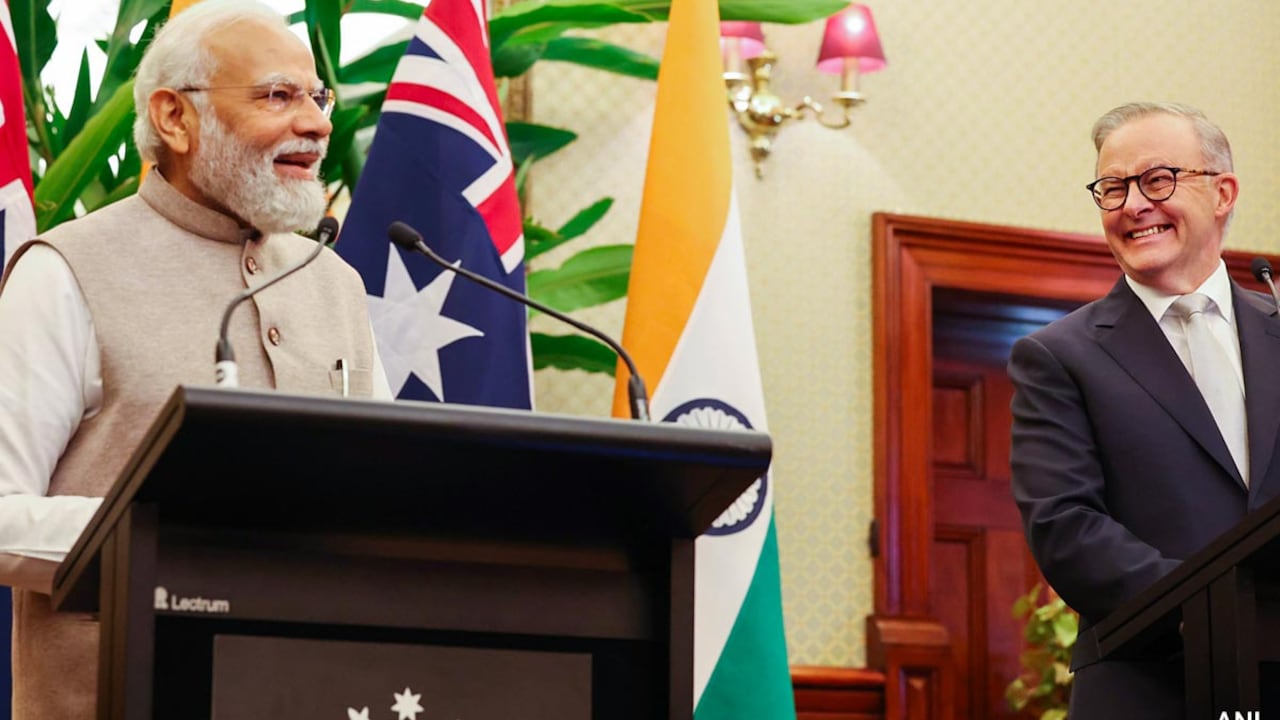
India wants to hit 100 gigawatts of nuclear power capacity by 2047. Right now, it sits at around 7.5 gigawatts. That's a massive gap. To bridge it, New Delhi needs fuel, and lots of it.
The domestic uranium supply in India won't cut it. The ore quality is low, and mining it is tough. That's why the newly finalized administrative arrangements between Indian Prime Minister Narendra Modi and Australian Prime Minister Anthony Albanese change everything. Australia sits on nearly 28% of the world's known uranium deposits. Letting that resource flow to Indian reactors isn't just a win for trade; it's the missing piece in India's clean energy puzzle.
The Math Behind India's Nuclear Ambitions
Most people look at solar panels and wind turbines when talking about clean energy. But those sources don't provide constant power. They need backup. Nuclear energy offers a steady baseline of electricity without the carbon footprint of coal.
Scaling up from 7.5 gigawatts to 100 gigawatts over the next two decades requires an astronomical amount of yellowcake. India's existing reactors already rely heavily on imported fuel from places like Kazakhstan and Russia. Adding Australia to the mix gives India a diversified, stable supply line.
Global Uranium Reserves by Country (Approximate Share)
--------------------------------------------------
Australia:    28% - 33% (Deal unlocked July 2026)
Kazakhstan:   12%
Canada:       9%
Russia:       8%
Namibia:      5%
This isn't just about building reactors for ordinary households. India is rapidly turning into a global technology hub. Companies are pumping billions into the country to build out massive AI data centers. Blackstone-backed AirTrunk, for instance, just lined up a massive multi-billion-dollar investment to build out data infrastructure. These server farms require insane amounts of uninterrupted electricity. Solar won't cut it at 3:00 AM, but nuclear will.
Overcoming Twelve Years of Red Tape
If you've followed this relationship, you know this deal isn't actually new. The original Civil Nuclear Cooperation Agreement was signed way back in 2014. It took over a decade of diplomatic wrangling to actually get the paperwork sorted so the first shipment could legally leave Australian shores.
Why the delay? Australia has deep-seated political sensitivities about exporting radioactive material. The country doesn't use nuclear power or possess nuclear weapons itself. It exports every single ounce it digs up. Australian lawmakers needed absolute ironclad guarantees that their uranium would only find its way into civilian power reactors, not weapons programs.
The breakthrough in Melbourne finally sets up the administrative framework under International Atomic Energy Agency (IAEA) safeguards. Tracked, audited, and strictly regulated.
Geopolitics and the Critical Minerals Rush
This partnership runs much deeper than just energy generation. It's heavily tied to the broader security dynamics of the Indo-Pacific region. Both nations are part of the Quad alliance alongside the US and Japan. A big goal of that group is keeping supply chains out of exclusive Chinese control and reducing reliance on Russian energy.
By linking Australia's vast resource base with India's manufacturing and economic scaling capabilities, they're creating an alternative economic axis. Alongside uranium, the two leaders are setting up a Critical Minerals Corridor. India needs lithium and cobalt for its electric vehicle transition; Australia has it.
What Happens Next
Don't expect a sudden surge in nuclear power overnight. Mining operations in South Australia will scale up production, but building out nuclear reactors takes time.
If you're watching this space, keep your eyes on the upcoming commercial supply contracts between Indian power utilities and Australian mining majors. The diplomatic gridlock is gone. Now it's up to the private sector to move the actual material and start building the grid infrastructure required to support India's next industrial leap.