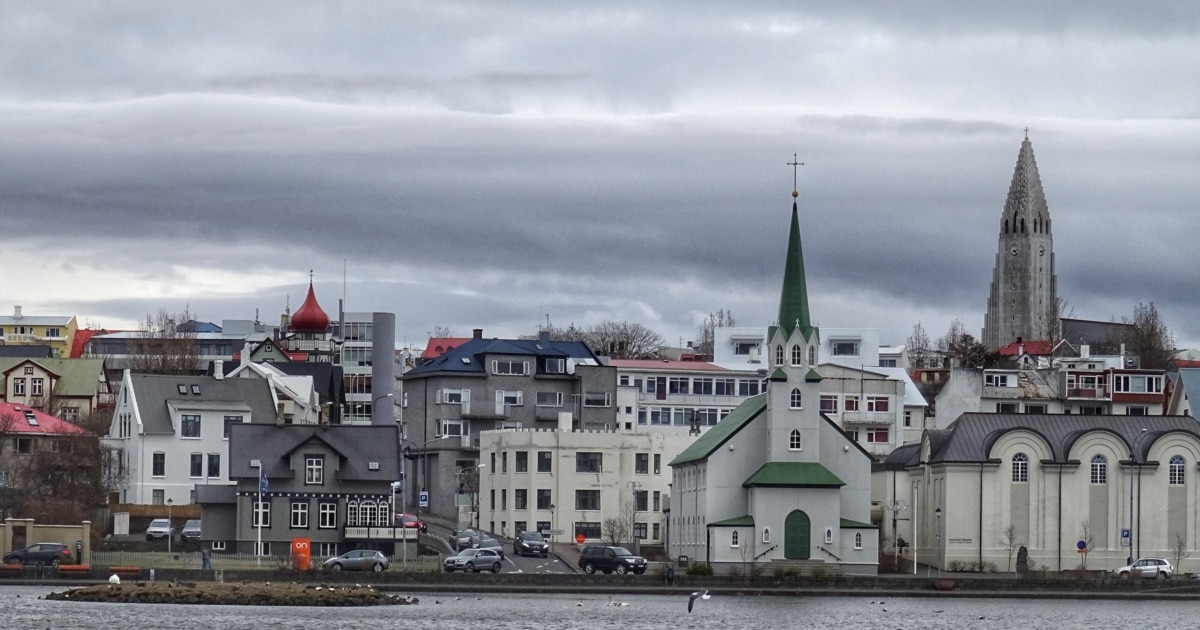
You'd think a small island nation staring down erratic geopolitical threats from Washington would jump at the chance to cozy up to a massive economic bloc. But Iceland just did the exact opposite. Voters in Reykjavik and across the rugged North Atlantic country rejected a proposal to restart European Union membership talks, choosing national independence over continental safety blankets.
The August 29 referendum wasn't a landslide, but it was decisive enough to put the issue back on ice. Exactly 52.84% of voters checked the "no" box, while 47.16% wanted to talk. Turnout crossed 82%, proving that Icelanders take their local sovereignty very seriously.
The Trump Factor and the Arctic Panic
Let's talk about why this vote happened now instead of five years ago. Prime Minister Kristrún Frostadóttir’s left-leaning coalition pushed the timeline up because the geopolitical ground beneath the Arctic was shifting fast.
U.S. President Donald Trump made headlines by repeatedly eyeing Greenland, and during his rants, he even confused Greenland with Iceland on multiple occasions. That rattled nerves in a country of just 400,000 people that doesn't maintain its own standing military. Add in some tone-deaf remarks from the U.S. ambassador about Iceland becoming the 52nd state, and you get genuine unease in Reykjavik.
Pro-EU factions argued that joining the bloc would provide a political shield against unpredictable superpowers. Yet, everyday citizens looked at Brussels and decided the cure sounded worse than the disease.
Fish, Sovereignty, and Historical Grudges
If you want to understand why Icelanders voted no, look at the ocean. Fishing isn't just an industry in Iceland; it's the heartbeat of the national identity. Descendants of Vikings who fought off the British Royal Navy during the Cod Wars in the 1970s aren't keen on handing over control of their waters to foreign bureaucrats.
Under the EU's common fisheries policy, Iceland feared Spanish, Dutch, and other European trawlers would gain access to their lucrative marine resources. Handing over management of the country's primary export to an international body is a political third rail in Reykjavik.
Besides, voters kept asking a very practical question: Why buy the cow when you're already getting the milk for free?
Iceland is already a core member of the European Economic Area and the Schengen free-travel zone. That means citizens enjoy frictionless access to the single market and passport-free travel across Europe right now. They adopt about 75% of EU regulations without having to abandon their volatile national currency, the Icelandic króna, for the euro.
What Happens Next for the North Atlantic
Prime Minister Frostadóttir noted that she respects the outcome and won't force the issue anytime soon. The National Electoral Commission confirmed the final numbers, putting an end to months of fierce national debate.
You can check updates on regional affairs through official portals like Iceland's national broadcaster RÚV for local announcements or consult the Government of Iceland for administrative documentation.
For now, Icelanders are sticking to what they know. They'll manage their own fish, keep their own currency, and handle big neighbors on their own terms.
To dive deeper into how this vote unfolded amid shifting Arctic alliances, watch this Iceland EU referendum report.
http://googleusercontent.com/youtube_content/1