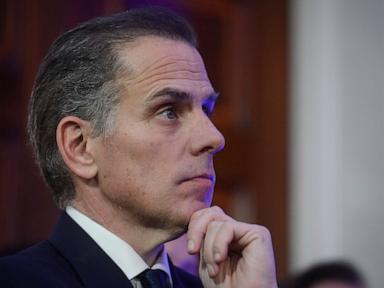
Watching your aging parent battle a terminal illness is brutal. Doing it in the global spotlight is something else entirely. Hunter Biden recently pulled back the curtain on former U.S. President Joe Biden's health, revealing a reality that goes far beyond standard political press releases.
During a wide-ranging BBC broadcast interview, Hunter grew emotional while discussing his father's medical condition. Former President Joe Biden's prostate cancer has metastasized into his bones and other parts of his body. It is painful, deeply debilitating, and undeniably heavy. Yet, despite the physical toll, the 83-year-old former leader refuses to step completely out of the public eye.
The Reality Behind Closed Doors
Public figures always try to project strength. When Joe Biden left the White House, his team announced his prostate cancer diagnosis just four months later. At the time, details remained measured. Politicians prefer controlled narratives.
Hunter's recent comments shattered that polished veneer. By stating that his father's cancer has spread to his bones, he confirmed the severe trajectory of advanced prostate cancer. Bone metastasis brings intense physical hurdles, making everyday movement a struggle.
"I wish he would complain more," Hunter shared during the interview, noting that his father's stoicism might actually mask how bad things really are. That detail rings true for anyone who has cared for an older relative from a generation that equates complaining with weakness. They push forward until they physically cannot.
Staying in the Fight
You might wonder why a former president dealing with bone metastases keeps speaking out on public issues. Why not rest? Why not spend quiet days away from cameras?
Joe Biden's identity has been tied to politics for over half a century. To stop talking about the country, the Constitution, and current events would mean stopping the core routine of his life. Hunter made it clear that his father remains driven by a deep, unshakeable belief in America. He is still doing his thing, even when his body tells him to slow down.
This refusal to retreat invites plenty of opinions. Critics who spent years questioning his stamina during his presidency still scrutinize his public appearances. Supporters see resilience. The truth sits in the messy middle: a man dealing with severe illness who simply refuses to sit silently in a room.
Facing the Family Toll
Public health battles in political families always carry a dual burden. You have the medical crisis itself, amplified by the noise of public debate, media cycles, and political fallout.
Think back to the intense pressure surrounding Joe Biden's final months in office, his age, and his eventual choice to drop out of the 2026 race following that infamous debate with Donald Trump. The political machinery chewed through those moments relentlessly. Now, the battlefield has shifted from election stages to medical realities.
Hunter's upcoming memoir, titled "Promise Me, America," set for release after the mid-term elections, will likely shed even more light on these dynamics. Families caught in the crosshairs of history rarely get to process grief in private.
What This Teaches Us About Advanced Prostate Cancer
Stripping away the political layer, this situation highlights a brutal medical truth. Prostate cancer often starts quietly. When it spreads to the bones, managing the pain becomes the primary battleground for patients and families.
If you or someone you love faces a similar diagnosis, understanding the progression is vital. Bone metastases require specialized palliative care, aggressive pain management strategies, and a strong support network. Stoicism sounds noble, but as Hunter noted about his father, hiding the pain rarely helps the healing process. Honest communication with medical teams changes outcomes.
Take a cue from this unfolding story if you are navigating elder care or serious illness in your own circle. Listen closely when loved ones try to brush off symptoms. Push for transparency with doctors. Don't wait until a crisis forces the conversation out into the open.