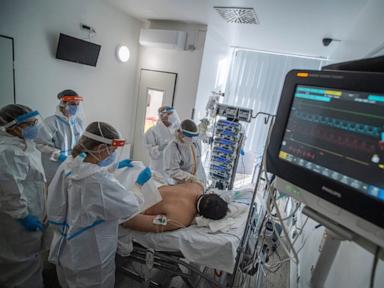
Governments spent freely during the early months of the pandemic, but few pandemic-era purchases match the scale of the controversy now unfolding in Central Europe. Hungary's foreign ministry just took official legal action over a staggering 965 million dollar acquisition of medical breathing machines. Prosecutors are looking closely at allegations of major financial misconduct, breach of fiduciary duty, and suspicious contracts signed back in the spring of 2020.
If you followed international headlines during the first wave of COVID-19, you might remember when Viktor Orbán’s administration rushed to buy roughly 17,000 ventilators from China. Critics pointed out obvious red flags right away. The country bought far more equipment than its hospitals could ever possibly deploy, and it paid inflated prices per unit compared to neighboring European nations.
Now, current Foreign Minister Anita Orbán has pulled back the curtain on an internal ministry review. The findings point to deep irregularities that go far beyond poor pandemic planning.
What the Investigation Actually Uncovered
The recent legal filing isn't based on casual speculation. Investigators combed through tens of thousands of documents. Some of those files required specialized digital forensics tools to recover after someone made unsuccessful attempts to wipe them clean.
Key findings from the government review include:
- Most of the 17,000 devices were funneled through intermediary companies rather than bought directly from manufacturers. Those middlemen saw their revenues skyrocket overnight.
- A substantial portion of the hardware turned out to be defective or completely useless for intensive care settings.
- Thousands of machines sat idle in warehouses, running up millions of dollars in storage fees while hospitals begged for resources elsewhere.
Investigators argue these choices weren't just mistakes made under pressure. They are pointing fingers at former senior ministry leadership for severe fiduciary negligence.
The Shadow of Former Leadership
The procurement was originally overseen by Péter Szijjártó, who spent nearly twelve years as Hungary's foreign minister and built notoriously close political and economic ties with Beijing. Szijjártó also managed the rollout of millions of doses of China's Sinopharm vaccine during the public health crisis.
His recent career moves have only intensified public scrutiny. Szijjártó resigned from Parliament to take a high-profile executive role with Chinese automaker BYD. That transition triggered accusations of conflicts of interest, especially since he previously helped facilitate massive state subsidies for the company while still holding office. The Hungarian government has since opened parallel probes into large-scale investments tied to BYD during his tenure.
Why This Case Matters Now
Pandemic procurements are facing legal reckonings globally, but this case stands out because of the sheer amount of public capital involved and the blatant use of opaque intermediaries. When emergency powers bypass normal oversight, accountability usually disappears until political winds shift.
Prosecutors must now decide whether to bring formal indictments against former officials. Watch how prosecutors handle the recovered digital files and whether intermediary firms are forced to return profits. Accountability for crisis-era spending is finally catching up to policymakers.