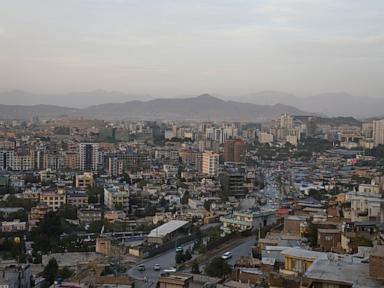
Nineteen million people. That's nearly forty percent of an entire country facing acute hunger.
When you hear about Afghanistan in the news, the focus usually drifts to political crackdowns, economic isolation, or regional security. But behind those headlines lies a much quieter, deadlier emergency: a massive wave of child malnutrition fueled by sudden international aid cuts. Organizations like the World Food Program are operating on a fraction of their past budgets, forcing clinics to turn away six out of every seven acutely malnourished children who walk through their doors.
It's a staggering reality. And honestly, most people don't realize how quickly things deteriorated.
The Anatomy of a Man-Made Catastrophe
How did millions of families end up on the brink of famine? It isn't just one bad harvest. It's a brutal collision of economic collapse, climate volatility, and abruptly withdrawn international funding.
Ever since international sanctions locked down the country's financial networks, unemployment has soared. The local currency took a nosedive, while food prices skyrocketed. Parents who used to earn a modest daily wage can't afford basic flour, let alone nutrient-dense food for their kids.
Then came the climate shocks. Severe droughts and unpredictable floods wiped out crops across multiple provinces. Farmers who worked the same land for generations suddenly found themselves landless, moving into makeshift displacement camps with zero resources.
On top of all that, hundreds of thousands of refugees have been deported back across the borders from neighboring countries. They return to empty pockets and exhausted local supplies.
Inside the Overcrowded Hospital Wards
Walk into a pediatric ward in Kabul, and you'll see the human cost immediately. Facilities like the Indira Gandhi Institute of Child Health are packed to capacity. Beds built for one child now hold two or three.
Doctors on the ground face an impossible math problem. They have limited therapeutic milk, scarce medical supplies, and funding shortages that prevent them from expanding their wards. Staff members have to make triage decisions that doctors should never have to make. They treat the absolute most critical cases while sending others home, knowing full well many won't survive the week.
Acute malnutrition doesn't just make a child skinny. It stunts growth, permanently damages cognitive development, and destroys the immune system. A simple bout of diarrhea becomes fatal when a body has no nutritional reserves left to fight back.
Why Aid Cuts Are Backfiring
International donors pulled back funding due to political restrictions, administrative hurdles, and competing global crises. But starving children don't care about geopolitics.
When humanitarian groups lose up to eighty-eight percent of their operational funding—as the World Food Program reported—the infrastructure crumbles. Mobile health teams that used to trek through remote mountain valleys to reach isolated villages can't afford the fuel. Nutrition counseling centers shut down their doors.
Treating a severely malnourished child costs a fraction of what it costs to manage a full-blown famine response later. Yet donors keep cutting budgets, waiting for conditions to hit rock bottom before reacting. By then, the damage is irreversible.
What Needs to Happen Now
Fixing this isn't about throwing money blindly into a black hole. It requires targeted, sustained action that bypasses bureaucratic bottlenecks.
First, humanitarian exceptions must be fiercely protected so medical workers—especially female health staff, who are vital for accessing mothers and infants—can do their jobs without interference.
Second, funding models need a shift from reactive emergency drops to consistent community-based nutrition programs. We need to prevent severe wasting before it starts, rather than scrambling when hospital wards overflow.
The numbers are terrifying, but they aren't unchangeable. Ignoring the situation won't make it go away. It only guarantees that the next generation of children pays the ultimate price for political gridlock.