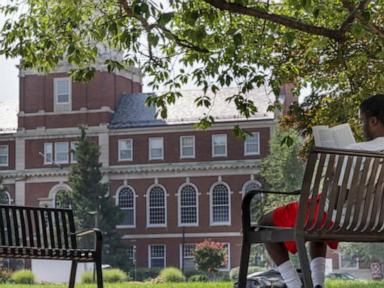
Getting accepted into college is supposed to be the finish line of years of exhausting work. Imagine celebrating your acceptance, preparing to move across the country, and then receiving an automated email stating you no longer have a spot because of a missed payment deadline. That is the nightmare thousands of families confronted when Howard University abruptly un-enrolled 502 incoming first-year students.
The public outcry was swift. Interim President Wayne A.I. Frederick stepped in front of the cameras to defend the institution's hardline policy, confirming that over 200 of those students have since been readmitted. If you look past the standard corporate public relations messaging, a much bigger breakdown in modern higher education comes into focus. Let's break down what actually happened and why pointing fingers at students misses the structural rot.
The Financial Deadline Trap
Universities live and die by administrative calendars. At Howard, incoming freshmen faced a strict July 10 deadline to sort out their financial obligations. The administration argued that holding a firm line prevents students from stacking up unbearable debt without a clear graduation path. It sounds noble on paper.
Yet, students like 19-year-old Dwayne Irvin tell a completely different story. Irvin followed instructions from financial aid representatives who told him to wait on a payment plan until outside scholarships processed. Instead of getting a friendly warning or a grace period, he received a dismissal notice.
When a system tells you to wait and then penalizes you for waiting, the communication loop is broken. Bureaucracy loves hiding behind paperwork. When schools scale up enrollment without scaling up student support staff, administrative wires cross constantly.
The Communication Breakdown
President Frederick defended the institution by pointing out that over 2,200 other families successfully navigated the process. That argument holds zero water for anyone who got caught in the administrative trap.
If twenty percent of a cohort experiences catastrophic confusion over tuition thresholds—like misunderstanding how outside scholarships offset net balances—the problem isn't student illiteracy. The problem is opaque messaging. College tuition bills read like complex tax codes. When schools use vague terms about 50 percent thresholds without accounting for pending external funds, families get trapped.
Communication isn't just about sending an email. It's about ensuring the recipient actually understands the stakes before you lock them out of their future.
Damage Control Versus Accountability
Reinstating 200 out of 502 students is a bandage on a gaping wound. Many impacted students have already decided to look elsewhere, completely abandoning their dreams of attending the prestigious HBCU because trust was shattered weeks before move-in day.
Higher education is a business, but it's a unique one built on trust and legacy. When top administrators treat incoming freshmen like spreadsheet errors, the institution loses its soul. Howard boasts an endowment exceeding a billion dollars, yet its processing offices operate with the friction of a broken DMV.
If you're heading to college or helping a younger relative navigate admissions, don't trust automated portals to keep you safe. Screen-shot every conversation. Get email confirmations for verbal advice. Assume that if a deadline looms, the administration won't protect you when their internal gears slip.
Stop expecting massive institutions to look out for individual humans. You have to advocate fiercely for your own paperwork because nobody else will.
This video provides an up-close look at the interview where Howard University's leadership addressed the intense public backlash surrounding the sudden unenrollment of incoming freshmen.