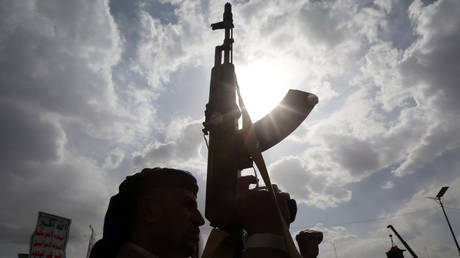
Yemen’s fragile quiet just went up in smoke. Decades of simmering proxy conflict boiled over when Houthi forces launched coordinated ballistic missile and drone strikes against military camps in Marib and Hadramout, killing at least 58 troops loyal to the internationally recognized government. It marks the deadliest single day of violence for government forces since the 2022 UN-brokered truce. If you thought the region was heading toward stabilization, recent events prove otherwise.
Houthi military spokesman Yahya Saree didn't mince words. He framed the assault as a preemptive response to what the group claims was a massive Saudi-backed military buildup targeting their positions. For years, the front lines had settled into an uneasy stalemate. That illusion is gone.
Why This Escalation Changes Everything
The timing of these strikes isn't random. Regional tensions have surged due to broader Middle Eastern conflicts, drawing Yemen back into a chaotic multi-front war. When Houthi drones and ballistic missiles hit camps in al-Ruwaik and al-Abr, they struck government troops during morning formations, guaranteeing maximum casualties.
You have to look at the ground reality. The internationally recognized Presidential Leadership Council (PLC) relies heavily on regional backing. By striking these bases, the Houthis are sending a clear signal to Riyadh and Western allies: the domestic civil war is back on, and any perceived military build-up will be met with overwhelming force.
The Cost to Civilians and Cross-Border Spillover
The violence didn't stop inside Yemen. Shortly after the camps were hit, projectiles crossed the border into Saudi Arabia's southern Najran region, injuring more than 10 civilians—including a four-year-old child. Saudi military spokesperson Turki al-Malki condemned the indiscriminate targeting of civilian areas, confirming that citizens from Saudi Arabia, Egypt, Pakistan, and Yemen were among the wounded.
This cross-border spillover risks dragging Riyadh right back into an active, boots-on-the-ground military campaign. The Saudi-led coalition has vowed to take deterrent measures to protect its borders, setting the stage for retaliatory airstrikes.
What Happens Next in the Red Sea Corridor
Maritime security is already feeling the shockwaves. Alongside the land assaults, the Houthis have maintained pressure on commercial shipping lanes, claiming strikes on oil tankers in the Red Sea and the Gulf of Aden. Energy corridors are bottlenecked, insurance rates for cargo vessels are skyrocketing, and shipping companies are once again forced to weigh the risks of transiting critical Middle Eastern waterways.
The defense ministry of Yemen's recognized government has promised a swift and hard response. But with military resources stretched thin and regional diplomacy floundering, stopping this renewed cycle of violence looks nearly impossible. Keep a close eye on border movements in Hadramout and naval traffic updates over the coming days.
Houthis Unleash BALLISTIC Missile Fury on Saudi Oil Tanker; Red Sea Turns War Zone
This video provides an up-close look at the maritime escalation and the ballistic missile campaigns targeting energy routes in the Red Sea region.



:max_bytes(150000):strip_icc()/GettyImages-51420425-73f5d13aa95641f6b72e7a6b888c80f7.jpg)