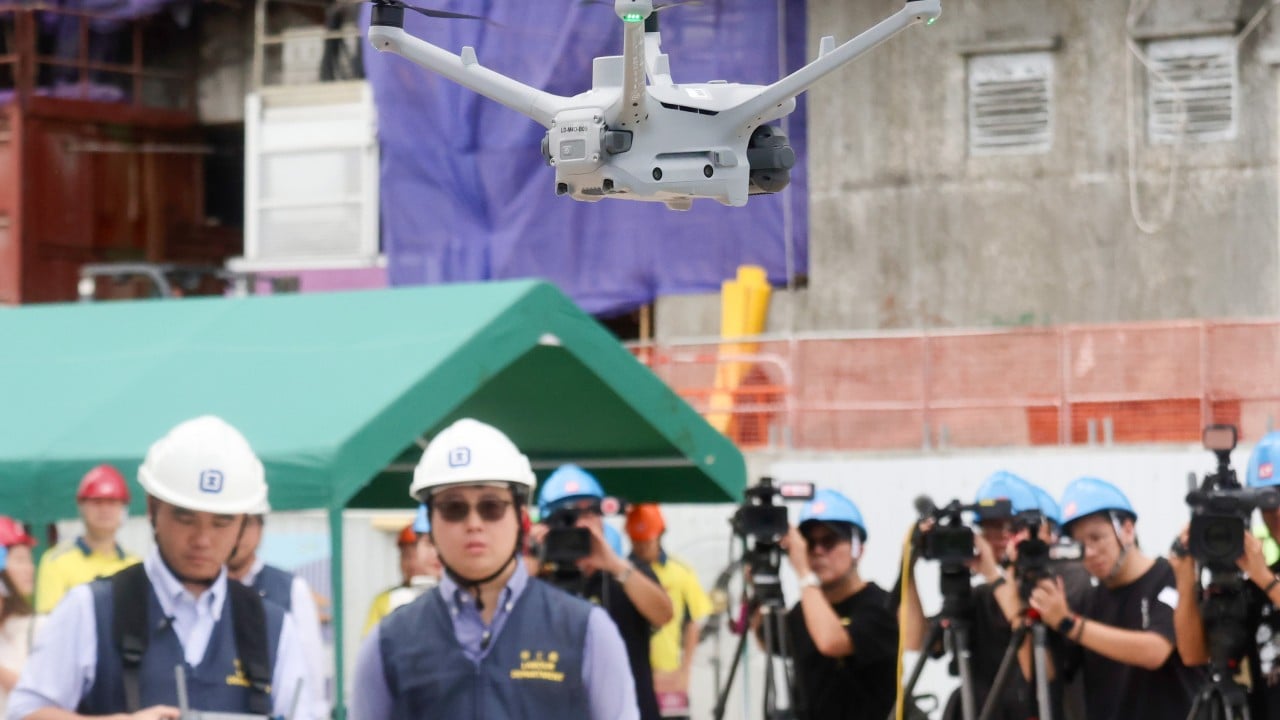
Catching a rule-breaker on a sprawling multi-level construction site is basically impossible with traditional foot patrols. Workers spot inspectors coming from miles away. Cigarettes vanish into pockets, lighters disappear, and everyone suddenly looks busy. Hong Kong authorities are changing that dynamic entirely by deploying infrared thermal-imaging drones to hunt down illegal smoking.
The Labour Department isn't messing around anymore. Since the strict construction site smoking ban took effect in July, inspectors have run nearly 1,400 site visits. The yield? Just 39 fixed penalty notices and 11 advisories. Officials call these prosecution numbers completely unsatisfactory. Enter aerial thermal surveillance. Building on this idea, you can also read: What The Tragic Killing Of Cesar Gastelum Reveals About Live Broadcasting In Danger Zones.
How Thermal Drones Spot Hidden Cigarettes
Infrared technology doesn't care if a worker sees an inspector approaching the front gate. A lit cigarette burns at a distinct, concentrated temperature that stands out sharply against ambient workplace heat signatures.
When a drone spots a heat anomaly, a red dot pops up on the operator's monitor. Ground teams don't even have to guess who is violating the rule. The drone captures close-up video evidence, allowing enforcement officers to track down the suspect and issue penalties without tipping anyone off. Observers at The Guardian have shared their thoughts on this situation.
Assistant Commissioner Wan Chi-ping noted that small drones have already proven their worth. Between October and July, authorities ran over 60 drone operations that yielded more than 220 prosecutions, mostly targeting safety violations like improper scaffolding or unsafe lifting. Expanding this hardware portfolio to sniff out tobacco use is a natural next step.
The Artificial Intelligence Upgrade
Hardware is only half the battle. Spotting a heat source is easy, but proving it is a human smoking a cigarette versus a piece of hot machinery requires smarter logic.
The Labour Department is currently sourcing proposals to integrate artificial intelligence into the drone fleet. Research and implementation for this custom AI layer will take between nine months and a year. Once active, the onboard software will automatically analyze human characteristics and heat profiles to confirm a smoking violation in real time.
Hong Kong has already purchased eight to nine new drones slated to enter active service shortly. Contractors who assume remote corners or high scaffolding offer safe havens for a quick smoke break are quickly running out of hiding spots.
Technology is closing the gap between regulation and actual compliance. Expect other densely populated urban centers with strict workplace laws to copy this playbook soon.