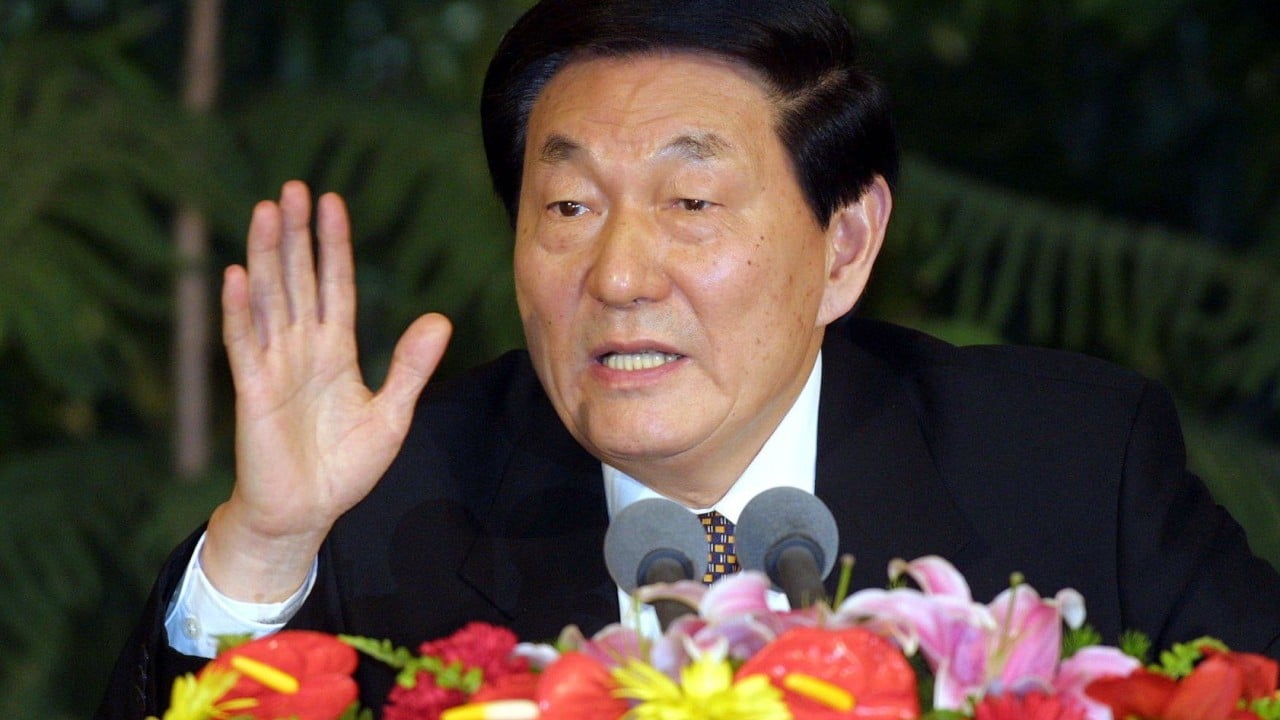
Hong Kong is preparing to lower both the national and regional flags to half-mast. The reason is a formal tribute to late former premier Zhu Rongji, who passed away at the age of 98.
The Hong Kong Special Administrative Region government confirmed that flags at major official locations—including the Central Government Offices in Tamar, Government House, all boundary control checkpoints, and Hong Kong International Airport—will fly at half-staff on Tuesday. This follows notification from the Central People's Government alongside nationwide mourning protocols timed with his cremation in Beijing.
Where Flags Will Be Lowered Across the City
If you are moving through the city on Tuesday, you will notice the altered flags at key administrative and transit hubs. The directive spans multiple critical zones:
- Central Government Offices at Tamar
- Government House
- All land boundary control and immigration check points
- Hong Kong International Airport
Both the Chinese national flag and the Hong Kong SAR flag are included in this mandate. Similar mourning protocols are taking place across mainland checkpoints, seaports, airports, and Chinese embassies worldwide.
Remembering Zhu Rongji and His Economic Legacy
Zhu served as China's premier from 1998 to 2003, a turbulent era defined by massive state-owned enterprise restructuring, China's entry into the World Trade Organization, and financial reforms. Known widely for his sharp tongue, pragmatic approach, and fierce anti-corruption stance, he earned the moniker "Economic Czar."
His leadership left a lasting mark on China's financial structure and macroeconomic control. When Hong Kong faced immense pressure following the 1997 handover and the Asian financial crisis, Zhu maintained a strong stance on supporting the city's status as an international financial center. His policies helped shape the modern economic integration between the mainland and the SAR.
Official Mourning Details
State media released a joint obituary issued by the CPC Central Committee, the Standing Committee of the National People's Congress, the State Council, and the Chinese People's Political Consultative Conference national committee. The statement hailed Zhu as an outstanding proletarian revolutionist, statesman, and loyal communist fighter.
The cremation ceremony in Beijing marks the final farewell for one of modern China's most influential chief architects of economic reform. Tuesday's half-staff display serves as Hong Kong's official closing chapter of local tribute to his legacy.