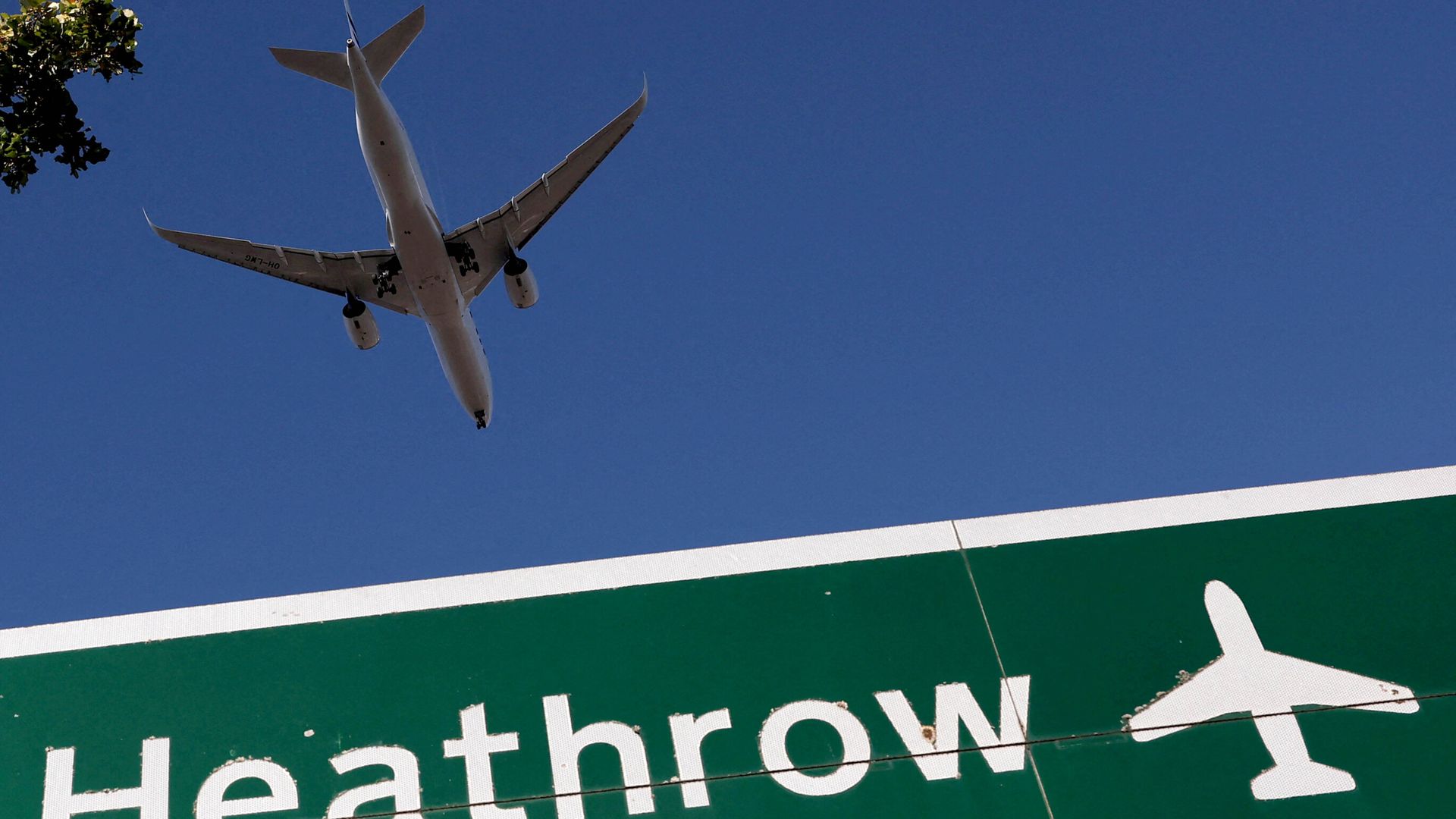
Ministers are lining up financial advisers to assess the affordability of Heathrow's massive £49 billion third runway plan. If you've been following British infrastructure for the last two decades, you already know the script. Grand ambitions, ballooning budgets, endless legal battles, and a completion date that keeps receding into the distance.
The reality on the ground is stark. Government insiders and industry analysts now expect the project to miss its original 2035 completion target by at least four years, pushing operational capability closer to 2039. When private capital meets public policy in the UK, things rarely go according to schedule. Expanding on this topic, you can also read: What The New Executive Order On Tax Exempt Diesel Actually Means For You.
The Reality of the £49 Billion Price Tag
Let's talk numbers because the sheer scale of this project defies easy comprehension. Estimates for the total bill have climbed drastically, now hovering near £49 billion depending on associated infrastructure, including the complex engineering feat of rerouting the M25 motorway.
Heathrow Airport Holdings is already heavily leveraged. Backing a private financing model of this magnitude requires deep confidence from global capital markets. That explains why government ministers are scrambling to hire independent banking advisers. They need to know whether the private sector can actually foot the bill without needing a government bail-out if passenger numbers stall or construction costs spiral further out of control. Analysts at Bloomberg have shared their thoughts on this matter.
Airlines have spent years pushing back against these costs. Carriers operating out of Europe's second-busiest hub know that any capital expenditure of this size gets passed directly onto airlines and passengers through higher landing fees and ticket surcharges.
Timeline Slippage and Planning Realities
Airport bosses have quietly told ministers that the 2035 deadline is basically a fantasy. Heathrow aims to secure formal planning permission by 2029. From that point, proponents argue that building a new runway within a decade is reasonable.
Yet, looking at past major UK infrastructure projects, planning permissions rarely go smoothly. Local authorities, environmental groups, and residents living under the flight paths are already sharpening their legal knives. Judicial reviews and opposition from local councils have stalled this exact expansion for decades. Expect history to repeat itself.
Even if the government gives the project full political backing—as former chancellor Rachel Reeves signaled and current Treasury ministers reaffirm—getting spades in the ground requires navigating a labyrinth of regulatory hurdles, environmental mandates, and carbon budget caps.
Can Private Markets Deliver This?
The entire premise of the third runway relies on the project being fully privately financed. But borrowing billions in today's high-interest-rate environment is a different game than it was a decade ago. Bond markets demand higher yields, and institutional investors are increasingly wary of mega-projects with massive tail risks.
If commercial banks and institutional lenders look at Heathrow's existing debt profile and conclude the risk-reward ratio doesn't add up, ministers will face an uncomfortable choice. They can either scale back the ambition, offer state guarantees, or watch the project stall indefinitely while international competitors pull ahead.
Infrastructure connectivity matters for economic growth, but hoping for the best isn't a strategy. Bringing in bankers now is a tacit admission that the original numbers don't add up. Until a realistic financing framework is locked down, this multi-billion-pound runway remains little more than expensive paperwork.