Most people think Hawaii is immune to direct hurricane landfalls. They picture endless sunshine, gentle trade winds, and a geographical shield that somehow breaks apart severe storms before they touch land.
That illusion is shattering.
Right now, the 50th U.S. state is bracing for a potential direct hit from Hurricane Lala. If this storm makes landfall with its current intensity, it will break a staggering 34-year drought since the last true hurricane struck the islands.
Let's look at what's actually happening on the ground and why this storm changes the rules.
The Real Threat Behind Hurricane Lala
Tropical Storm Lala quickly intensified into a hurricane as it roared across the central Pacific toward the Big Island. State and federal emergency teams aren't taking chances. Governor Josh Green declared a state of emergency, warning residents that the system packs an incredible amount of water and life-threatening potential.
We are talking about projected rainfall totals hitting eight to twelve inches across Maui and the Big Island, with isolated pockets potentially seeing up to twenty-five inches.
That volume of rain doesn't just cause puddles. It triggers catastrophic flash floods and devastating mudslides, especially along steep mountain terrain.
Why don't hurricanes hit Hawaii more often? Cold ocean waters usually surround the islands, acting as a natural brake that weakens approaching storms. But the Pacific is acting differently this year. A strengthening El Niño pattern is supercharging the central basin, creating warmer waters and atmospheric conditions that foster intense storm development.
Climatologists like Abby Frazier from Clark University have pointed out that El Niño shifts increase the frequency of systems forming and tracking toward the islands. The safety buffer is shrinking.
Learning From Past Disasters
You can't talk about hurricanes in Hawaii without remembering Hurricane Iniki. Back in September 1992, Iniki slammed Kauai as a Category 4 monster, killing six people and causing billions in inflation-adjusted damage. Entire neighborhoods were flattened. Since then, the islands have dodged direct hits, though near-misses have still caused absolute tragedy.
Take 2023, for instance. Hurricane Dora passed hundreds of miles to the south of the island chain, but its intense pressure gradients helped fuel the catastrophic winds that fed the deadly wildfires on Maui.
Many residents make the fatal mistake of assuming that if the eye of the storm doesn't cross over their house, they're safe. That is completely false. Rainbands stretch hundreds of miles out, bringing destructive surf, coastal erosion, and isolated power outages even to outer islands under tropical storm warnings.
What You Need to Do If You're in the Path
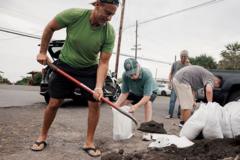
If you live in or are currently visiting Hawaii, stop waiting for local authorities to knock on your door. Emergency management teams have laid out clear, actionable priorities to get through this weekend safely:
- Clear your gutters and outdoor drains immediately to prevent localized pooling against your foundation.
- Secure outdoor furniture, potted plants, and anything else that high winds can turn into dangerous projectiles.
- Move important documents and valuables to higher levels in your home if you live in a flood-prone zone.
- Stay completely away from coastal beaches and cliffs where rough surf and powerful rip currents can sweep you into the ocean.
- Stock up on non-perishable food, flashlights, and vital medications to hunker down for at least three days.
This is a fast-moving, volatile situation. Track updates directly from the Central Pacific Hurricane Center and follow local emergency broadcast instructions to the letter.
Hunker down, stay home, and look out for your neighbors.