Hawaii has a supply problem. Most of the lumber used to frame homes, build schools, and patch together infrastructure on the islands is shipped from thousands of miles away. It's expensive. It's carbon-heavy. It’s also entirely unnecessary if you consider what’s already growing on the islands.
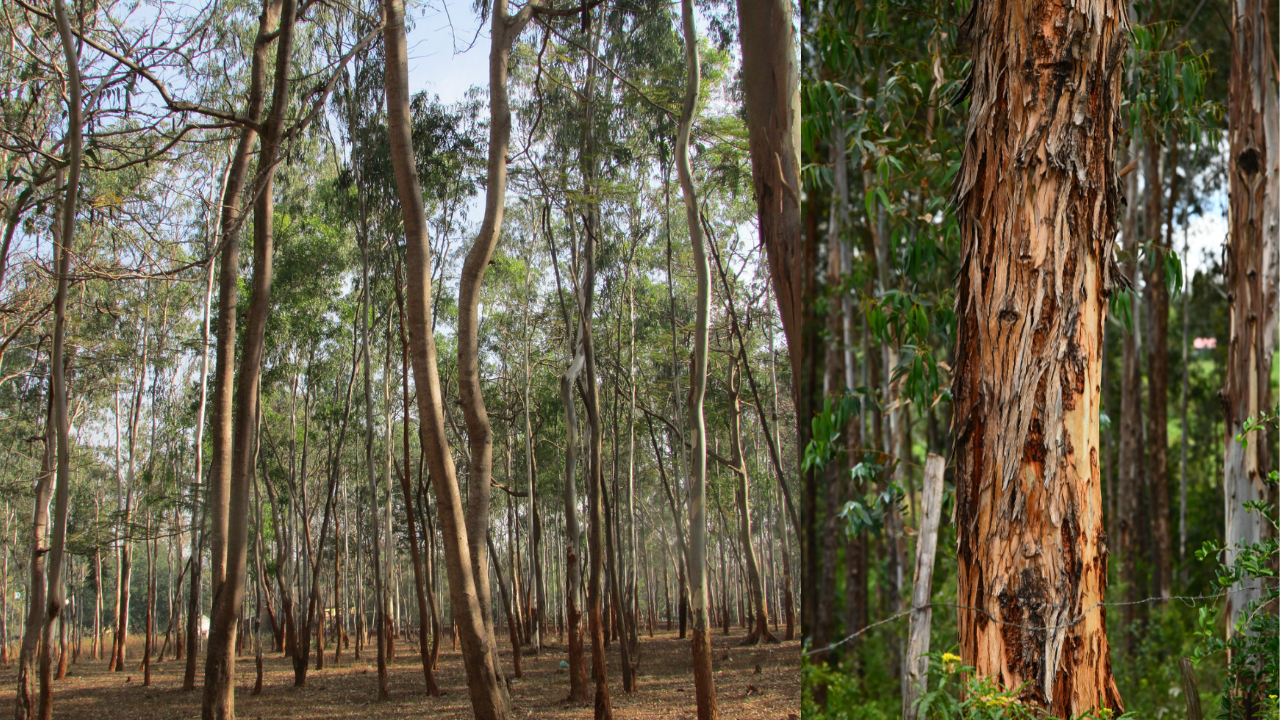
There are over 34,000 acres of managed eucalyptus plantations across the Hawaiian islands. These trees aren't just sitting there; they are an underused resource waiting for a modern engineering stamp of approval. Researchers at the University of Hawaii at Mānoa are finally pushing to change how we see these plantations, moving past the idea that they are merely biomass or fuel.
The Real Hurdle Isn't Growth
If you talk to most builders in Hawaii, they won't tell you eucalyptus is "bad." They'll tell you it's unproven. In the construction world, if you don't have a standardized engineering design value, you can't use the material in structural framing. Insurance companies, building codes, and municipal inspectors don't operate on gut feelings. They operate on data.
This is exactly where the current research project, led by civil engineering professor Jun Wang, comes into play. They aren't just planting more trees. They are harvesting existing stock, milling it, and putting it through rigorous strength and durability testing.
Historically, the issue with Hawaii-grown eucalyptus has been inconsistent performance. Decades-old studies identified challenges like high growth stress and a tendency for logs to split during processing. But these findings were based on older methods and smaller samples. The new wave of testing is aiming to fill the gaps in our knowledge, specifically looking at how modern processing techniques might minimize those old problems.
Why Local Lumber Matters
Think about the supply chain. Right now, building in Hawaii means waiting for shipping containers to traverse the Pacific. That delay is baked into every project timeline. It also adds a massive, invisible cost to the environment due to the fuel required for long-distance transport.
By turning local eucalyptus into structural lumber, we aren't just creating a new industry. We are building resilience.
- Reduced Shipping Costs: If your framing material is milled a few islands away rather than on the mainland, you insulate local projects from global shipping bottlenecks.
- Economic Diversification: Developing a local wood-products sector creates jobs that don't rely on tourism or traditional agriculture.
- Active Forest Management: Creating a market for timber provides a financial incentive to manage these plantations properly, which can help in reducing wildfire risks.
Addressing the Misconceptions
There is often confusion between native forests and managed plantations. It’s important to be clear: this project is not about chopping down native ecosystems. The focus is entirely on existing, non-native eucalyptus plantations that are already part of the landscape.
The goal isn't to replace high-quality imported softwoods with a "good enough" substitute. The goal is to establish exactly what this wood is capable of doing. Some eucalyptus species found in Hawaii, such as Eucalyptus saligna and Eucalyptus grandis, possess surprising stiffness and bending strength. In some cases, they actually outperform common mainland species for their weight.
However, you can't just slap a "structural" label on a board and hope for the best. Builders need to know how the wood handles moisture, how it takes fasteners, and whether it stays straight after the structure is framed. These are the details the current research is scrutinizing.
What Happens Next
If the testing proves that local eucalyptus meets the necessary safety and durability standards, the impacts will be huge. We could see it moving beyond simple framing into engineered wood products—things like cross-laminated timber or glulam beams.
If you are involved in local construction or forestry, start paying attention to the data coming out of the University of Hawaii. The days of treating these 34,000 acres as an afterthought are ending.
The next time you look at a hillside of eucalyptus, don't just see a backdrop. Start seeing the potential for a more self-reliant Hawaii. Whether this material becomes the backbone of our future infrastructure depends on the science, but for the first time in years, the momentum is moving in the right direction. Use the upcoming results to inform your supply chain decisions. Don't wait for the mainstream to catch up; keep your eyes on the engineering data.