You won't find a single mention of a quiet library at the Hargeisa International Book Fair. Forget hushed tones or polite applause. When this massive cultural festival takes over Somaliland's capital every summer, it looks and sounds more like a high-energy music gig than a traditional literary convention. Thousands of fiercely curious teenagers, international writers, poets, and thinkers collide in a kinetic celebration of ideas, art, and identity.
If you want to understand how a self-declared state writes its own existence into the global consciousness without official diplomatic recognition, you have to look right here. Let's break down why this event transcends books entirely.
Building a Nation From the Bookshelf
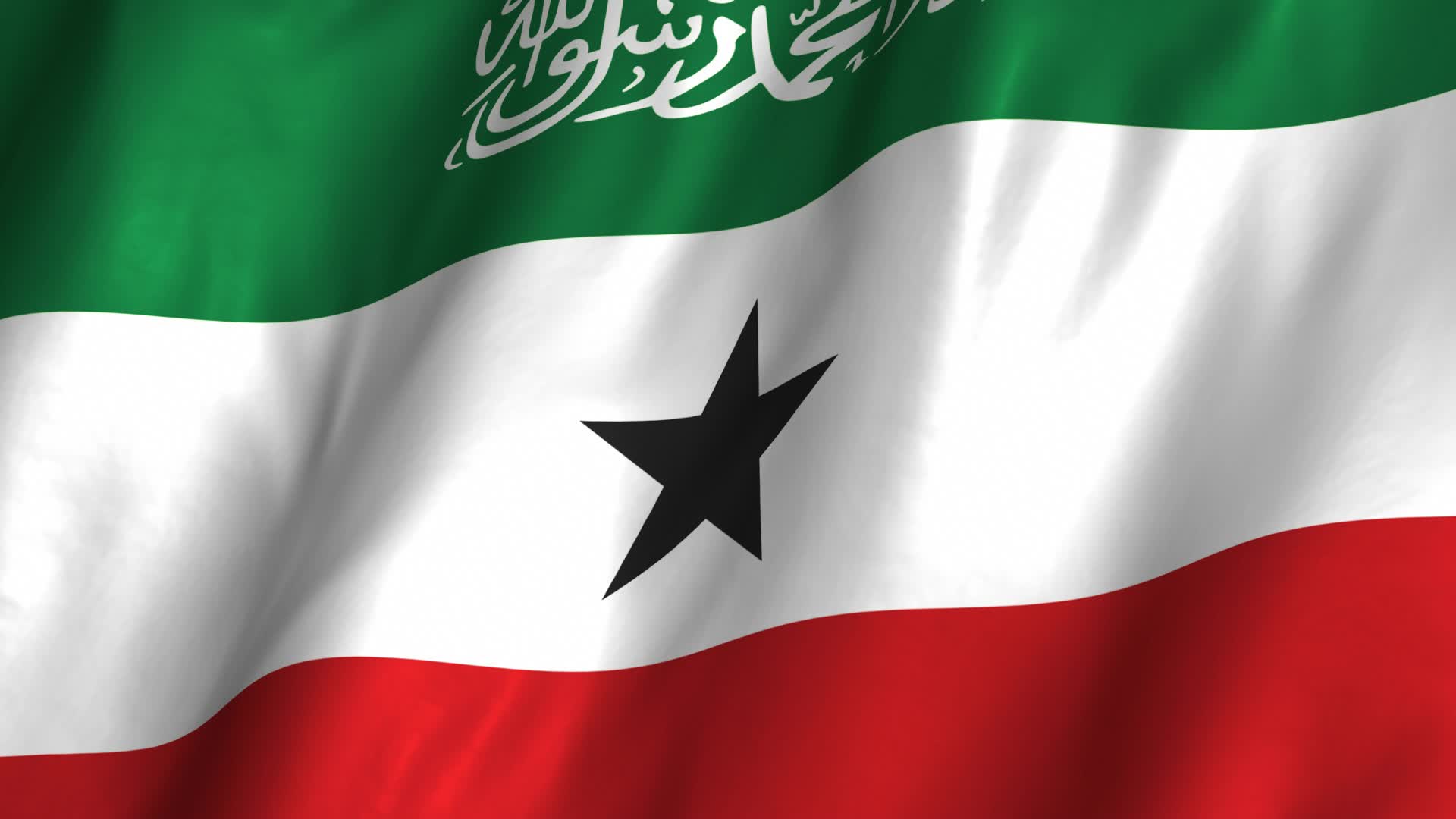
Somaliland declared independence in 1991 following the collapse of the central Somali government, but international recognition hasn't followed. On paper, it exists in a diplomatic vacuum. On the ground, however, reality tells a completely different story.
Founded in 2008 by Jama Musse Jama, the Hargeisa International Book Fair started small. Just a couple hundred people showed up that first year. Today, it stands tall as the largest public literary gathering in the Horn of Africa.
The strategy is simple yet radical. Nations are built on shared memory, language, and cultural production. When the world refuses to grant you a seat at the United Nations, you build your own cultural stage. By hosting international delegates, publishing new works in the Somali language, and translating world classics, the festival asserts an undeniable cultural sovereignty.
Moving Beyond the Politics
Talk to travelers or academics who visit the fair, and they will tell you the real magic happens in the courtyard discussions. The event adopts a powerful theme every single year—recent editions have centered around concepts like "Coexistence," "Journey," and "Continuity."
Instead of getting bogged down in geopolitical griping, organizers use literature as an active tool for civic education. You see panel discussions on democracy, architectural exhibitions like "Future Somaliland 2050," and live oral poetry sessions (gabay) that draw on deep nomadic traditions.
The demographic breakdown matters, too. Somaliland has a remarkably young population. Most people weren't even alive during the devastating civil war of the late 1980s. For them, the book fair provides a safe, vibrant space to debate the future, share creative writing, and connect with peers from across the globe—from the UK and Denmark to neighboring Eswatini and Ethiopia.
What Most Observers Miss About Somali Literary Culture
Outsiders often make the mistake of viewing the region solely through the lens of humanitarian crises or security reports. That perspective ignores a fundamental truth. Somali culture has always been an oral powerhouse, historically earning the moniker "a nation of poets."
The book fair bridges that ancient oral tradition with modern written literature. It creates tangible economic ripples as well. Independent book stalls, local publishers, and small arts organizations get a massive annual boost. It proves that creative industries can thrive against the odds when a community decides to invest in its own narrative.
How to Experience It Yourself
If you plan to attend or follow the Hargeisa International Book Fair, keep a few practical realities in mind:
- Timing: The festival runs for nearly a week every July. Plan your travel well in advance, as local accommodations fill up quickly.
- Language: While many sessions and panels are conducted in English, the core emotional and artistic heartbeat of the festival happens in Somali. Brush up on basic phrases to get the most out of the poetry and casual chats.
- Engagement: Don't just sit in the back. Grab a cup of spiced tea (shaah), wander through the art galleries, and talk directly to the young creators who are shaping the region's next chapter.
The world might still debate passports and borders, but inside the festival gates, the debate is already over. Somaliland's culture is alive, loud, and writing its own future.

.png?width=1200&auto=webp&trim=0%2C0%2C0%2C0)