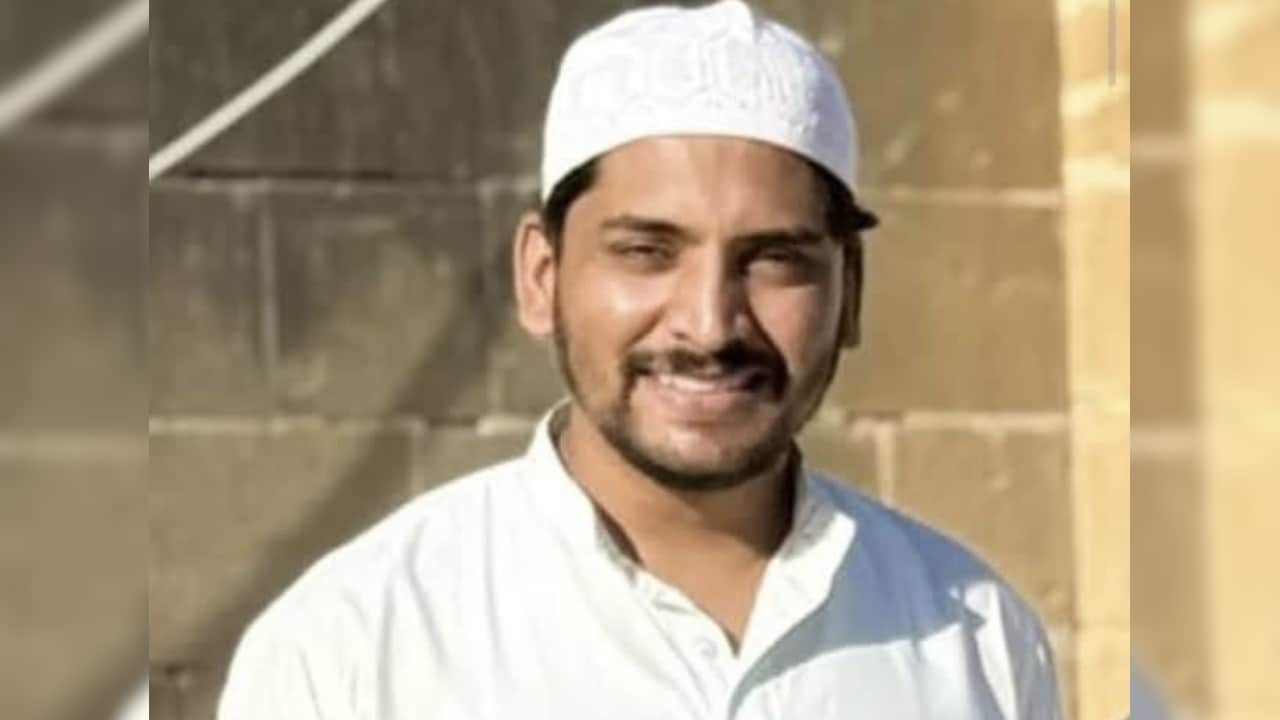
Foreign shores look promising from a small town in India. Until a phone call changes everything.
Mohammed Abdul Jawad left his home in Islampura, Jagtial district, for a better life. He wanted to build a secure future. Instead, his journey ended on a Tuesday morning in Qormi, Malta, when the small Toyota Toyace truck he was driving collided head-on with a massive trailer. He was only 27 years old.
Local reports from Malta noted that the impact around 11:45 AM was severe enough to trap him inside the mangled vehicle. Emergency crews from Malta's Civil Protection Department arrived quickly, but there was nothing they could do. Jawad was pronounced dead at the scene. Now, thousands of miles away in Telangana, a devastated family faces an agonizing wait to bring his body home.
The Brutal Reality of Repatriation Bureaucracy
Most people don't realize how complicated it is to bring a deceased loved one back to India from a foreign country. It is never a simple flight home.
When an accidental death happens abroad, local police must complete rigorous legal inquiries. In Jawad's case, Maltese authorities launched an active investigation to map out the exact sequence of events involving the 39-year-old trailer driver from Tarxien. Autopsies, clearance certificates, and court documentation take precious time.
Families sitting in places like Jagtial are left entirely at the mercy of international red tape. Days stretch into weeks. Every single document must pass through local embassies, ministry channels, and international logistics providers.
The Hidden Toll on Migrant Families
Jawad had only been working as a sales assistant in Paola town for a little over a year, having gotten married earlier that same year. Stories like his highlight a harsh truth about modern migration. Young Indians head to Europe, the Middle East, and beyond, chasing stability. They take massive financial risks, often funding travel through loans or pooling family savings.
When tragedy strikes, the financial burden shifts instantly to burial or repatriation costs, which can run into lakhs of rupees. Local political leaders, such as AIMIM MLA Ahmed Bin Abdullah Balala, have had to step in, issuing public appeals to government authorities to speed up diplomatic assistance. But political pressure only goes so far against foreign legal protocols.
What Families Must Navigate After a Loss Abroad
If you or someone you know ever faces an unexpected overseas tragedy, understanding the immediate steps can prevent total chaos:
- Contact the Indian Embassy or Consulate in the host country immediately to register the case.
- Reach out to the Ministry of External Affairs (MEA) overseas cell in New Delhi for diplomatic coordination.
- Coordinate with local labor unions or diaspora associations in the destination country, as they often handle ground-level paperwork faster than official channels.
- Avoid relying solely on verbal assurances from employers; secure local police FIRs and medical examiner certificates as early as possible.
The administrative machinery moves slowly. Jawad's family back in Islampura just wants closure. They want to perform final rites according to their traditions. Until then, they wait.