Waiting lists for vital organs kill thousands of people every year. Medical science has finally started fighting back with methods that used to live purely in science fiction.
Let's talk about the reality of modern surgery. When surgeons push boundaries, they don't just win academic awards; they save actual lives. A recent breakthrough involving a novel organ transplant technique has proven that animal organs can safely serve as a bridge for human patients. We aren't talking about decades down the line. It's happening right now.
The Reality of Xenotransplantation
For years, organ failure meant resigning yourself to dialysis or a desperate scramble for a human donor match. Most people don't realize how brutal the wait is. Patients spend years tethered to machines, their bodies wearing down while they pray for a donor card to line up in their favor.
Enter xenotransplantation. By using genetically modified pig organs, doctors can bypass the immediate organ shortage. The procedure involves editing out pig genes that trigger violent human immune responses and inserting human-compatible markers.
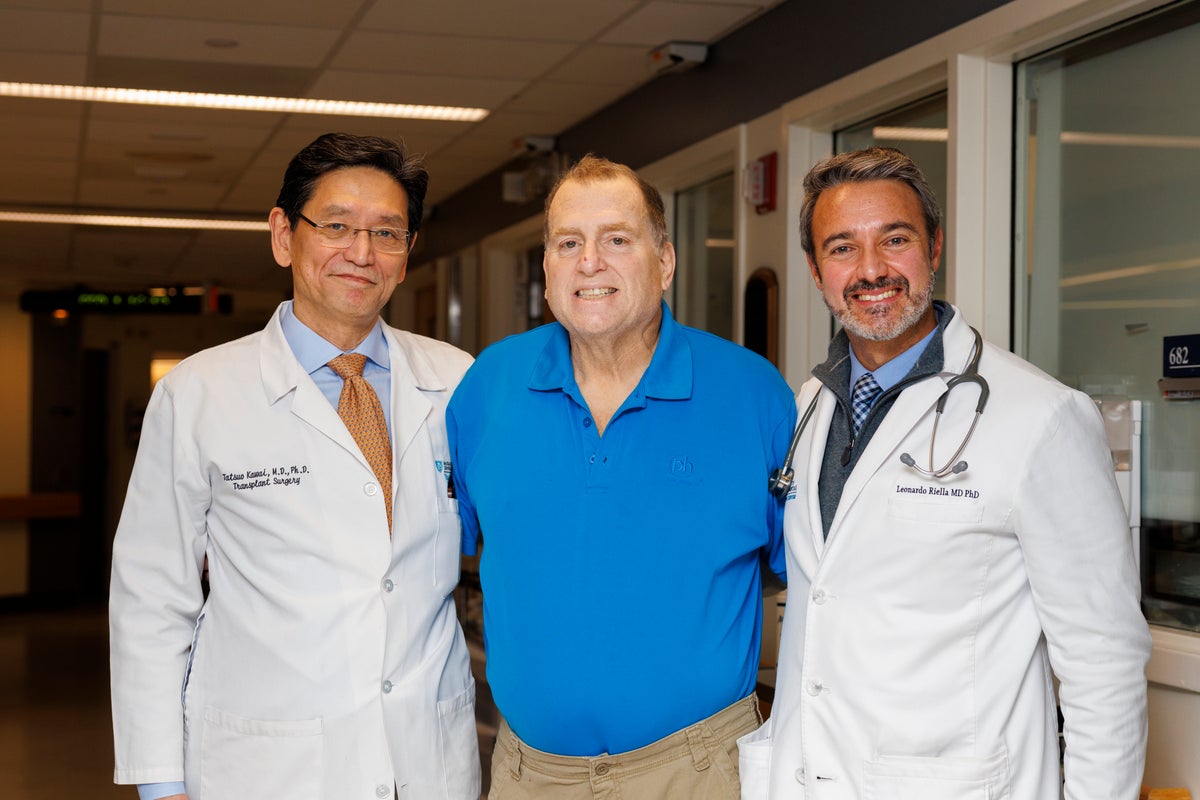
Consider the landmark case of Tim Andrews, a 68-year-old from New Hampshire. Suffering from end-stage kidney disease, he received a genetically modified pig kidney at Massachusetts General Hospital. That organ kept him alive and off dialysis for 271 days. It acted as a sturdy bridge until a human donor kidney became available. Dr. Leonardo Riella and his surgical team published these findings in The Lancet, showing the medical world that animal organs can successfully sustain human life for months without ruining the body's future compatibility with human tissue.
How the Procedure Works
You might wonder how a foreign organ doesn't instantly destroy the host. It comes down to precision genetic engineering. Companies like eGenesis raise Yucatan miniature pigs in sterile, highly controlled environments. Scientists edit the DNA before birth to achieve three main goals:
- Remove specific pig genes causing aggressive human immune rejection.
- Add human genes to trick the immune system into tolerating the tissue.
- Knock out endogenous retroviruses to eliminate cross-species infection risks.
When surgeons performed the operation, they monitored Andrews closely. He lived with the modified kidney for over nine months. Afterward, surgeons removed the organ, placed him back on temporary dialysis, and later successfully transplanted a human kidney. He now spends his days swimming and biking.
Overcoming Skepticism and Hurdles
Critics and cautious observers point out obvious roadblocks. Ethics boards, religious considerations, and strict patient monitoring protocols make every single trial an uphill battle. The Food and Drug Administration has begun carefully greenlighting clinical trials at institutions like NYU Langone and Johns Hopkins.
Data matters. Early trials show no downside to having a temporary animal organ before receiving a human one. Patients don't develop hypersensitivities that block future human transplants. That discovery alone removes a massive barrier for doctors who were terrified of burning bridges for their patients.
What You Need to Know Moving Forward
If you or a loved one face chronic organ failure, keep your eyes on clinical trials. Xenotransplantation won't replace human donors tomorrow, but it changes the timeline of survival. Talk to your nephrologist or transplant team about emerging trial phases. Understand your options on the transplant list, and stay informed as medical institutions expand these trials to more patients. The future of medicine belongs to those willing to challenge biological limits.
A first of its kind organ transplant technique tried on a human subject
This video provides an on-the-ground interview with the patient who underwent this revolutionary medical procedure.
http://googleusercontent.com/youtube_content/1