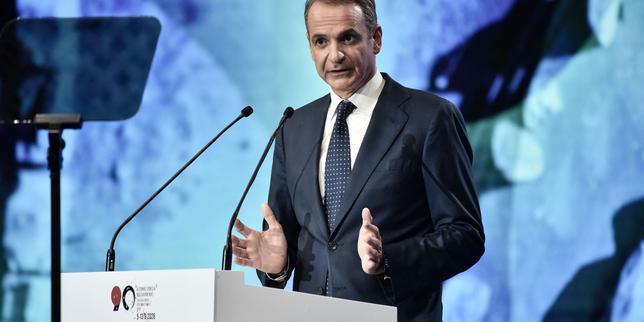
Athens is betting big on the future. Prime Minister Kyriakos Mitsotakis just unveiled a massive 2.2 billion euro package of tax cuts and social benefits designed for 2027. If you've been following Mediterranean economics, you know the drill. Growth figures look great on paper, but everyday Greeks are still getting crushed by supermarket prices and utility bills.
Let's look past the political posturing at the annual Thessaloniki International Fair. What does this financial injection actually mean for normal people, and why is the timing so painfully obvious?
The Reality Behind the 2.2 Billion Euro Blueprint
Politicians love dropping heavy figures right before an election cycle. With ballots scheduled for the spring of 2027, Mitsotakis is fighting to secure a third term for the conservative New Democracy party. You can't blame him for trying to sweeten the deal.
The package targets specific pain points that have plagued households for years. We are talking about annual bonuses—like 400 euros for pensioners and 500 euros for civil servants—alongside targeted tax exemptions for farmers and families with three children. On paper, it sounds like a much-needed financial cushion.
The problem? Inflation and the cost of living have outpaced these incremental adjustments for a long time. When you step into a grocery store in Athens or check an electricity bill, a one-off bonus doesn't go very far.
Where the Money Goes and Who Benefits
Let's break down where these funds are actually heading. The strategy relies on a mix of direct cash handouts and structural tax relief.
- The Agriculture Sector: Farmers and specific large family households are getting total income tax exemptions up to 20,000 euros annually. That's a concrete move to protect primary production.
- The Workforce: Civil servants get a 500-euro boost, and pensioners over 65 receive 400 euros.
- Business Levies: Regional business taxes are getting phased out or slashed, attempting to give small and medium-sized enterprises some breathing room.
Mitsotakis admitted openly during his address that a large chunk of the country's recent economic growth simply hasn't trickled down to ordinary citizens. That is a rare moment of candor from a sitting leader. But admitting the gap exists doesn't automatically close it.
The Opposition View and Public Skepticism
Unsurprisingly, critics aren't buying the narrative. Major labor groups like the GSEE argue that worker purchasing power remains heavily constrained. Meanwhile, opposition parties like PASOK point out a brutal metric: Greece continues to sit near the bottom of European Union living-standards rankings.
When you compare local wages to northern European economies, the gap remains staggering. Even with the government's stated goal of pushing average monthly salaries toward 1,800 euros by the end of the decade, people are struggling right now. Future targets don't pay tonight's rent.
What Happens Next on the Political Map
Despite swirling rumors of a snap election, the administration insists parliament will run its full course until spring 2027. The government is walking a tightrope. They need to spend enough money to pacify an angry electorate without triggering the fiscal crisis that brought the nation to its knees a decade ago.
Greece's borrowing rates might look healthier than several G7 nations right now, but public trust is fragile. If you're watching the Greek economy, keep your eyes on actual implementation rather than the headline numbers. Watch how quickly these tax reliefs reach small businesses and whether inflation stabilizes before the ballots open.
Don't expect miracles from a 2.2-billion-euro package. It's a calculated political lifeline, and the real test will be whether it survives contact with reality.