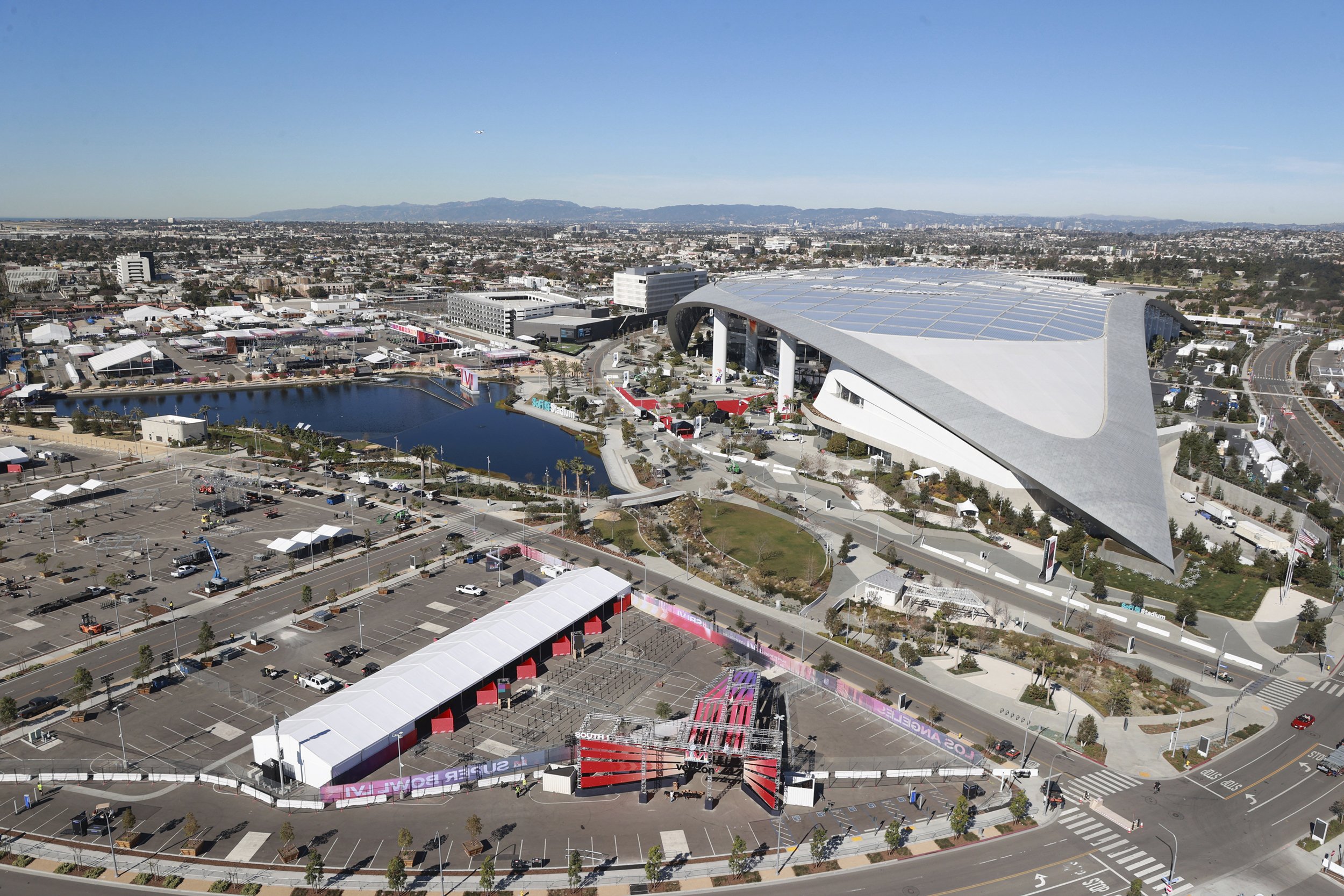
Running 42.2 kilometres hurts. You train for months, dodge injuries, wake up before dawn, and drag your tired body across a finish line just to earn a heavy piece of metal around your neck. But imagine holding that finisher's medal, flipping it over, and finding a massive sports arena located 16,000 kilometres away on the wrong side of the planet.
That is the exact reality facing over 40,000 runners preparing for the Sydney Marathon. Organisers recently pulled off one of the funniest design blunders in recent sports history, accidentally etching Munich's famous Allianz Arena onto the back of their medals instead of Sydney's local Allianz Stadium. Don't forget to check out our recent coverage on this related article.
If you have ever tried rushing a graphic asset through production, you know how easily a simple oversight happens. Someone typed "Allianz" into an image search engine, grabbed the first striking architectural photo that popped up, and sent it straight to the manufacturer. Munich's iconic stadium features thousands of inflated diamond-shaped cushions. Sydney's venue relies on a much flatter, bronze-finned façade. They look nothing alike. Yet, the mistake slipped past quality control, public relations, and executive oversight until the design was officially unveiled online.
Owning the Blunder With Style
Instead of hiding behind corporate deflection, Sydney Marathon bosses leaned straight into the chaos. A spokesperson admitted that a bit too much international flavour snuck onto the hardware, noting they wouldn't run away from the mistake. If you want more about the history here, The Athletic offers an in-depth breakdown.
That refusal to panic changed the narrative overnight. Running communities and social media accounts jumped on the gaffe with amusement rather than fury. Even the real Allianz Arena in Munich joined the conversation online, posting that they definitely did not have a Sydney crossover on their annual bingo card.
You have to respect public figures and event executives who drop the corporate PR speak. When you mess up publicly, doubling down or pretending it is intentional looks foolish. Owning the error with dry humour disarms critics instantly.
Why Fixing It Was Impossible
Logistics dictate reality in major world athletic events. With more than 40,000 participants lacing up for race day, manufacturing an entirely new batch of medals with corrected engraving takes months of casting, shipping, and customs clearance.
The race arrives too fast for a do-over. Pulling the medals means thousands of finishers walk away empty-handed, which causes far more operational damage than a misplaced stadium silhouette.
First Nations artist Ambrose Killian, who designed the brilliant indigo and gold front artwork and the lanyard aesthetics, quickly clarified that he had zero involvement in the reverse-side skyline disaster. That left the design team fully accountable for the mix-up, serving as a harsh reminder of why asset verification matters before mass production begins.
The Silver Lining for Collectors
Flawed sports memorabilia often turns into gold over time. Think about stamp collecting errors or misprinted currency. Items that slip past factory checks with glaring mistakes frequently fetch high prices among collectors decades down the road.
For the thousands grinding through the grueling course past the Sydney Opera House and across the Harbour Bridge, this error transforms a standard piece of event merch into a legendary conversation piece. You are no longer just finishing an Abbott World Marathon Major; you are earning an accidental piece of global sports folklore.
Take the medal, wear it proudly, and laugh at the absurdity of modern design workflows. Check your project assets twice, trust nothing to automated image search results, and always own your mistakes when they go live.