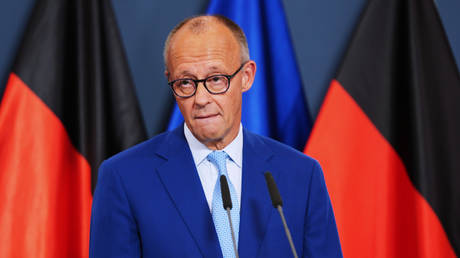
Voter anger in Europe's economic powerhouse has reached a boiling point. Chancellor Friedrich Merz called it a disaster. He wasn't exaggerating. The Alternative for Germany party just secured roughly 37 percent of the vote in Mecklenburg-Western Pomerania, leaving the conservative Christian Democratic Union trailing at a miserable 5.5 percent. That is not just a routine electoral setback. It marks the lowest point for the CDU in any state contest since 1949.
If you look at why people are casting ballots this way, the answers are straightforward. Voters are fed up with a sluggish economy, soaring energy costs, and stubborn inflation. When you can't pay your heating bill, abstract arguments about defending democratic institutions ring hollow. Merz stepped into power promising to fix Germany's stagnant markets and reverse years of decline. Instead, his reform agenda is colliding with harsh reality. Citizens want immediate relief from high living expenses and a halt to mounting financial strains. Read more on a similar subject: this related article.
Mainstream political analysts keep missing the broader picture. They focus entirely on the so-called firewall—the strict agreement by all other parties to refuse coalition talks with the far-right. While the firewall prevents the AfD from forming regional governments for now, it does nothing to stop their momentum. In fact, locking out a party that commands nearly forty percent of the electorate only fuels anti-establishment sentiment. Voters feel ignored by Berlin elites who treat regional grievances as temporary noise rather than deep-seated structural anger.
The crisis extends far beyond one eastern state. In Berlin, a concurrent election saw the far-left Linke party surge to over 24 percent on promises of nationalizing housing and capping rents, while the CDU slumped to 20 percent. The traditional center is collapsing from both sides. Voters are abandoning moderate politics because neither traditional conservatives nor center-left social democrats have delivered practical solutions to everyday hardships. Further analysis by The Guardian highlights related perspectives on this issue.
What happens next will dictate the stability of the entire European Union. Merz insists he will push forward with his economic reforms, arguing they remain essential to modernizing the country. Yet, low approval ratings make every new policy battle an uphill climb. Opposition figures are sensing blood in the water. If the federal government cannot regain the trust of working-class citizens soon, regional protests will turn into an unstoppable national wave.
Pay close attention to how local municipalities handle budget allocations over the coming months. Watch whether federal leaders pivot toward tangible tax relief rather than long-term structural promises. The writing is on the wall for traditional European governance, and ignoring the message will only speed up the fracture.
Merz Stunned as Far-Right AfD Scores Major Election Victory
This video provides an overview of the political shockwaves triggered by the recent surge of the far-right in regional German elections.